
Tablet Compression Force Measurement | Pill Press Force Verification
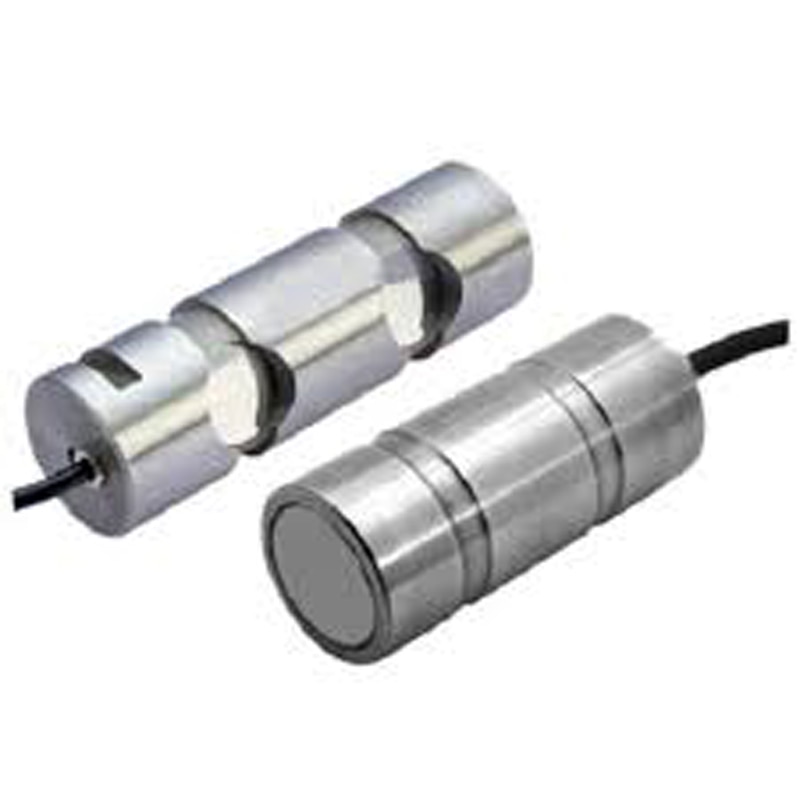
The production of pharmaceutical tablets demands absolute precision. The quality, stability, and therapeutic effectiveness of a pill are fundamentally tied to the force applied during the compression stage. This is why the Load Cell for Tablet Press Force Verification is not merely a sensor but a cornerstone of modern pharmaceutical Tablet Quality Control. It provides the quantifiable, reliable data necessary to meet stringent regulatory standards, including cGMP.
Precise Tablet Compression Force Measurement
A tablet press load cell acts as a force transducer, converting mechanical pressure into an electrical signal that can be accurately measured and logged. These high-precision instruments, often utilizing strain gauge technology, are strategically integrated into the machine’s mechanics, typically at the main compression roller or the lower punch assembly.
Their primary function is continuous Tablet Compression Force Measurement. This includes monitoring three critical forces throughout the manufacturing cycle:
Pre-Compression Force: Ensuring the initial de-aeration of the powder blend is consistent.
Main Compression Force: The definitive force applied that determines the final tablet hardness and density.
Ejection Force: Monitoring the force required to push the tablet out of the die, which can indicate potential tooling wear or sticking issues.
Accurate Compression Force Monitoring across all these points is essential for validating the process and identifying deviations instantaneously.
The Mandate for Pill Press Force Verification
The link between applied force and finished tablet properties is direct: if the force is too low, the tablet may crumble (low hardness, high friability); if it is too high, material properties may be compromised, or tooling may wear out prematurely. Therefore, real-time Pill Press Force Verification using a reliable Pharmaceutical Load Cell delivers immediate process benefits.
For quality assurance teams, consistent force data proves that every tablet meets the defined physical specifications, dramatically reducing batch rejection rates. For operations, this monitoring extends tooling lifespan by preventing excessive stress and allows for quicker, more accurate machine setup and changeover. Integrating load cells enables sophisticated Statistical Process Control (SPC) methods, transitioning quality checks from periodic sampling to comprehensive, in-line inspection.
Selecting the Ideal Pharmaceutical Load Cell
Choosing the right sensor for Tablet Compression Force Measurement is paramount. A suitable Pharmaceutical Load Cell must offer high resolution, excellent temperature stability, and a robust construction—often stainless steel—to withstand the harsh, high-speed environment of the tablet press. Furthermore, the unit must be easily integrated into existing data acquisition and PLC systems for closed-loop feedback control. Regular, traceable calibration ensures that the verification data remains accurate, making the load cell an indispensable asset for maintaining drug efficacy and patient safety across the entire production line.