
Drop Test Load Cells
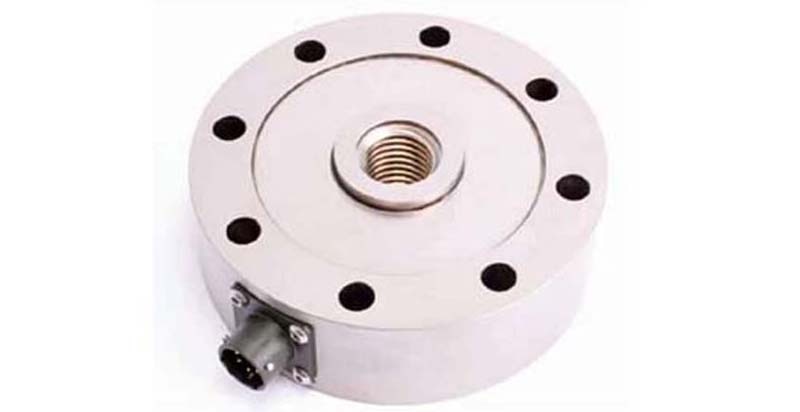
In today's fast-paced world of manufacturing and engineering, ensuring the durability and safety of products is paramount. From mobile phones and electronic devices to packaging and automotive components, drop testing is a critical procedure to evaluate a product's resistance to impact. At the heart of this crucial test lies a specialized sensor: the drop test load cell.
This blog post will serve as a comprehensive guide to drop test load cells, explaining what they are, how they work, their key applications, and what to consider when choosing the right one for your needs.
What is a Drop Test Load Cell?
A drop test load cell is a high-speed, high-frequency force sensor specifically designed to measure the impact force generated during a drop or a sudden, sharp collision. Unlike standard static load cells used for weighing, drop test load cells are built to capture extremely rapid force changes in milliseconds, often reaching their peak load and then returning to zero almost instantly.
These sensors are engineered for exceptional rigidity, low deflection, and high natural frequency. This unique combination allows them to accurately capture the true force profile of an impact event without "ringing" or distorting the signal, which is a common problem with standard load cells under dynamic loads.
How They Work: Capturing a Millisecond of Impact
The core principle remains the same as other load cells: the use of strain gauges. However, the design and electronics are highly optimized for dynamic measurement:
High-Frequency Response: Drop test load cells have a high natural frequency, which means they can respond to fast-changing forces without lag. This is crucial for accurately measuring a short-duration impact pulse.
Low Profile and Rigid Design: The compact, rigid body minimizes any unwanted vibration or deflection, ensuring that the sensor's output is a direct reflection of the impact force.
Piezoelectric or Strain Gauge Technology: While many use traditional strain gauges, some advanced drop test sensors use piezoelectric technology, which is ideal for capturing extremely high-frequency forces.
The load cell is typically mounted on a test rig or a drop tower. As the product strikes the load cell, the force of the impact is converted into an electrical signal, which is then captured and analyzed by specialized data acquisition software.
Key Applications of Drop Test Load Cells
These highly specialized sensors are indispensable in a variety of industries:
Electronics Manufacturing: Essential for testing the durability of smartphones, laptops, and consumer electronics to ensure they can survive accidental drops.
Packaging Industry: Used to evaluate the effectiveness of protective packaging materials and designs.
Automotive & Aerospace: Crucial for measuring impact forces in crash testing simulations, particularly for airbag deployment and component integrity.
Sports Equipment: Used to test the impact resistance of helmets, protective padding, and other athletic gear.
Medical Devices: Ensures the robustness of critical medical instruments and devices that may be subject to accidental drops.
Factors to Consider When Buying a Drop Test Load Cell
Choosing the right sensor is critical for obtaining accurate and repeatable results. Here's what to look for:
Capacity: Select a load cell with a capacity that comfortably exceeds the maximum expected impact force. An over-capacity sensor may lose sensitivity, while an under-capacity one could be damaged.
Natural Frequency: This is a crucial specification for dynamic testing. The natural frequency of the load cell should be significantly higher (at least 5-10 times) than the frequency of the impact event you are measuring.
Measurement Range: Look for a wide dynamic range to capture both low-level impact forces and high-peak forces accurately.
Overload Protection: A good drop test load cell should have a high overload protection rating to prevent damage from unexpected high-force impacts.
Calibration: Ensure the sensor comes with a traceable calibration certificate and can be re-calibrated regularly to maintain accuracy.
Mounting and Integration: Check for easy-to-use mounting options that allow for seamless integration into your drop test rig.
Finding a Reliable Supplier in India
Whether you're in Bengaluru's tech industry or Chennai's automotive sector, finding a reliable supplier for drop test load cells is key. Look for manufacturers and distributors in major industrial cities across India who specialize in high-precision force measurement solutions. They can provide not only the sensor but also the technical support and data acquisition systems required for your specific application.
By investing in a high-quality drop test load cell, you're not just buying a sensor; you're investing in product quality, safety, and a competitive edge.