
Material Force Testing Load Cell
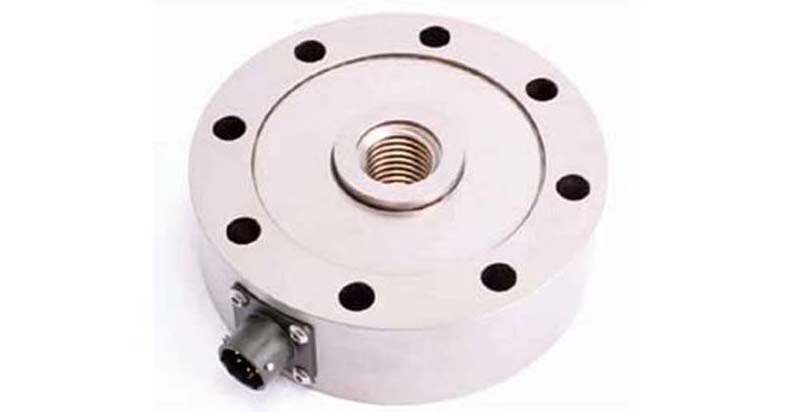
In the world of manufacturing, research, and quality control, material force testing is a non-negotiable process. From determining the tensile strength of steel to measuring the compression of concrete, accurate force measurement is essential for ensuring product quality and safety. At the heart of this process is the material testing load cell—a high-precision sensor designed to measure the force applied to a material.
In India's rapidly growing industrial sector, the demand for reliable and accurate load cells is higher than ever. Whether you're in the automotive, aerospace, or construction industry, understanding how to select the right load cell can make all the difference in the reliability of your test results.
What is a Load Cell for Material Testing?
A material testing load cell is a specialized type of force transducer engineered for high accuracy, repeatability, and linearity. Unlike general-purpose load cells used for weighing, these sensors are built to withstand the dynamic and often strenuous forces involved in material science. They work on the principle of strain gauges—tiny electrical resistors that change resistance when deformed. When a force is applied to the load cell, the body flexes minutely, and this change is measured by the strain gauges, providing a precise electrical signal proportional to the applied force.
Key Applications in Indian Industries
Load cells are the backbone of many testing machines across India. Here are some of the most common applications:
Universal Testing Machines (UTM): These machines use a load cell to measure force during both tension and compression tests. They are critical for determining the strength and elasticity of metals, plastics, composites, and more.
Compression Testing Machines: Used extensively in the construction industry to test the compressive strength of concrete cubes, bricks, and cement.
Tensile Testing Machines: These machines are designed to pull a material to its breaking point, and the load cell precisely measures the force required to do so. This is vital for quality control in industries like wire manufacturing and textiles.
Fatigue and Creep Testing: Specialized load cells are used to measure forces under repeated loading (fatigue) or constant load over time (creep) to predict material lifespan.
Impact Testing: Load cells are used to measure the force of an impact on a material, helping engineers understand its toughness and resistance to sudden shocks.
Types of Load Cells Used for Material Testing
While various types of load cells exist, a few are particularly well-suited for material testing:
S-Type Load Cells: Named for their distinctive "S" shape, these are ideal for both tension and compression testing. Their compact size and versatility make them a popular choice for many Universal Testing Machines.
Pancake Load Cells: With their low-profile, circular design, pancake load cells are perfect for compression applications where space is limited. They offer high stability and resistance to off-center loading, making them excellent for press-fitting or hydraulic testing.
Column Type Load Cells: These are heavy-duty sensors designed for high-capacity compression tests, often used in applications like weighbridges or large structural component testing.
How to Choose the Right Load Cell for Your Needs
Selecting the right load cell is crucial for accurate and reliable results. Consider these factors when making your choice:
Capacity: What is the maximum force you need to measure? Choose a load cell with a capacity slightly higher than your maximum expected force to prevent damage.
Accuracy: For material testing, high accuracy is paramount. Look for specifications like non-linearity, hysteresis, and creep to ensure the sensor's performance meets your standards.
Tension/Compression: Do you need to measure a pushing force, a pulling force, or both? S-type load cells are great for both, while pancake or column types are primarily for compression.
Material and IP Rating: In harsh industrial environments, a stainless steel load cell with a high IP rating (e.g., IP67) will provide corrosion resistance and protection against dust and water.
Mounting and Integration: Ensure the load cell's mounting points are compatible with your existing testing machine.
Where to Find Quality Load Cells in India
India has a robust market for industrial sensors. You can find high-quality material testing load cells from leading Indian manufacturers and suppliers. When you search, look for companies that offer:
A wide range of capacities and types.
Calibration certificates from accredited laboratories.
Technical support and after-sales service.
Competitive material testing load cell price.
By choosing the right load cell, you can ensure that your material testing is not only accurate but also contributes to the safety, reliability, and quality of your final products.