Description
Understanding Flange Static Torque Sensors: Function, Benefits, and Industrial Applications
In the world of precision measurement and industrial automation, torque sensors play a pivotal role. Among the various types of torque sensors, the flange static torque sensor stands out due to its accuracy, reliability, and suitability for static torque measurement applications. Whether you're working in automotive testing, mechanical engineering, or robotics, understanding how these sensors work and where to use them can give your operation a significant edge.
In this comprehensive guide, we will explore what flange static torque sensors are, how they work, their benefits, and common use cases across industries.
What Is a Flange Static Torque Sensor?
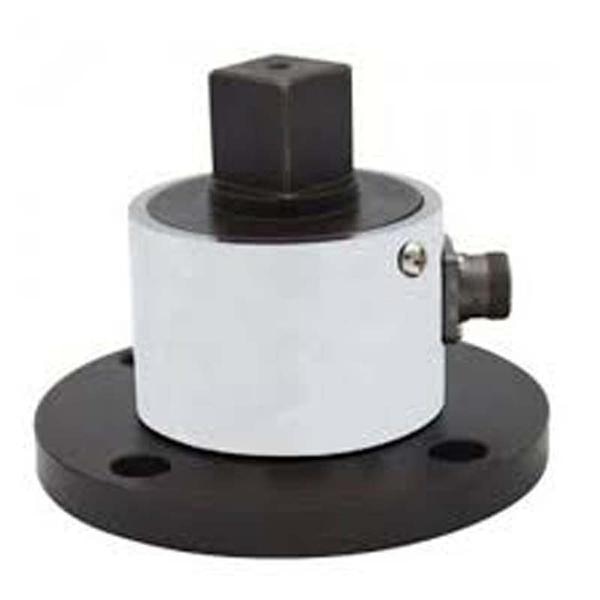
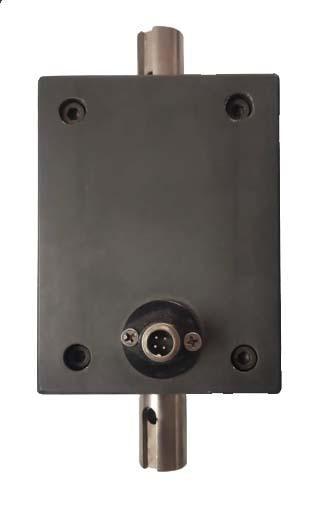
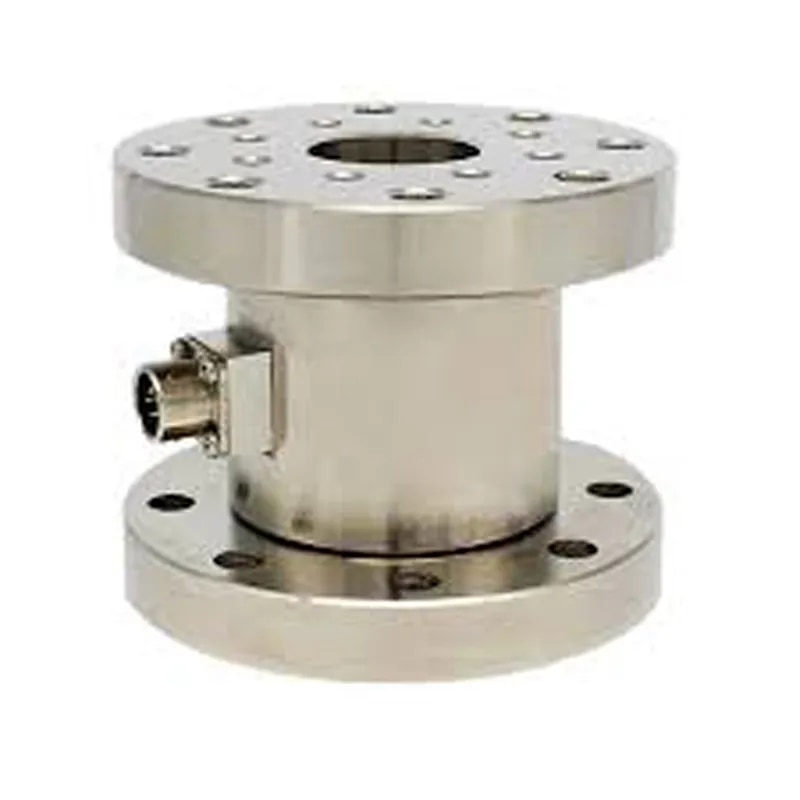
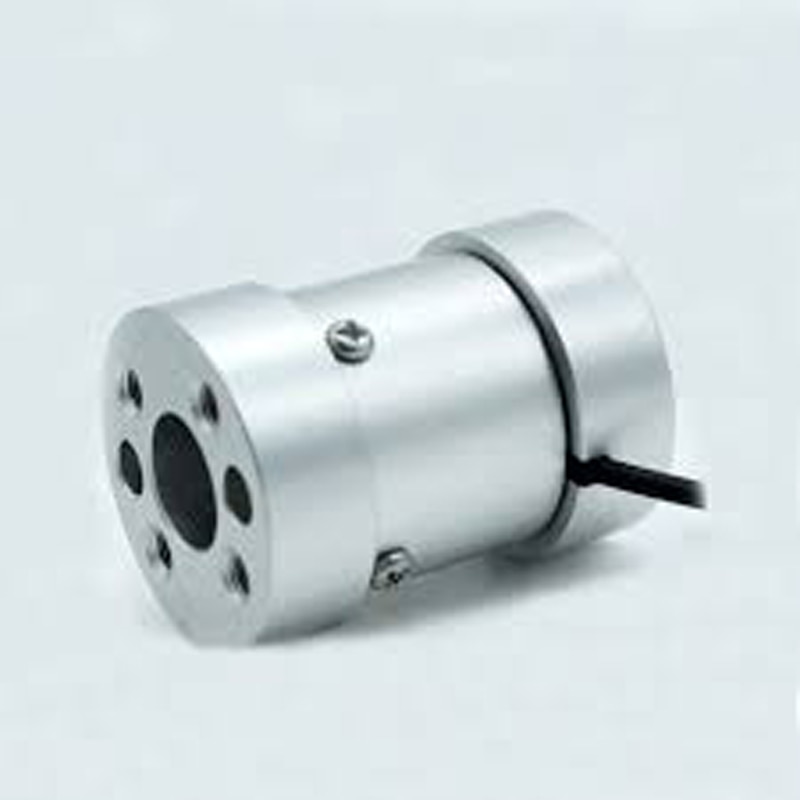
A flange static torque sensor, also known as a non-rotating torque transducer, is a type of torque sensor specifically designed to measure static torque—that is, torque applied without rotational movement. Unlike dynamic torque sensors, which operate while the shaft is rotating, static torque sensors measure torque in a stationary setup.
The term “flange” refers to the sensor’s design: it typically features flanged mounting points that make it easy to install between two non-rotating components. These flanges ensure the sensor remains fixed during operation, providing stable and accurate torque readings.
How Does a Flange Static Torque Sensor Work?
A flange static torque sensor measures torque using strain gauge technology. Here’s how the process typically works:
Application of Torque: Torque is applied to the sensor via two connected flanges—one on the driving side and one on the driven side.
Strain Gauge Response: The applied torque causes a minute deformation (strain) in the sensing element of the sensor.
Signal Conversion: Strain gauges attached to the sensing element change their electrical resistance due to the deformation. This change is converted into a measurable electrical signal.
Signal Conditioning: The raw signal is amplified and processed to produce a calibrated torque output, typically in units like Nm (Newton-meters), lb-ft, or kg-cm.
This design allows for high sensitivity and low signal drift, making flange static torque sensors ideal for precise applications.
Key Features of Flange Static Torque Sensors
Flange static torque sensors are known for their robust construction and reliable performance. Key features include:
High Accuracy: These sensors can achieve accuracies as high as ±0.1% of full scale.
Non-Rotating Measurement: Perfect for applications where components do not rotate but still transmit torque.
Robust Mounting: The flange design provides a secure and stable installation.
Minimal Maintenance: Fewer moving parts mean lower maintenance requirements.
Wide Measurement Range: Available in torque capacities from a few Nm to several thousand Nm.
Advantages of Using Flange Static Torque Sensors
Using a flange static torque sensor offers several advantages for engineers and manufacturers:
1. Precision Measurement
These sensors are ideal for tasks that demand high-accuracy torque readings, such as calibration systems or material testing.
2. Stability and Durability
The rigid flange mount minimizes vibration and mechanical play, leading to consistent and reliable readings over time.
3. Versatility
They are suitable for a variety of environments—from clean laboratory conditions to rugged industrial settings.
4. Integration Flexibility
Flange static torque sensors can easily be integrated into custom-built rigs, test benches, or production lines, thanks to standardized flange dimensions.
5. Long Service Life
Due to the non-rotating nature and sturdy construction, these sensors have long operational lifespans, even under continuous use.
Common Applications of Flange Static Torque Sensors
Flange static torque sensors are used across numerous industries. Some of the most common applications include:
1. Automotive Testing
Engine and transmission test rigs
Brake testing systems
Electric motor torque measurement
2. Aerospace Engineering
Component stress testing
Actuator torque verification
Propulsion system development
3. Industrial Automation
Robotics joint torque monitoring
Assembly torque verification
Valve and actuator testing
4. Research and Development
Material fatigue testing
Mechanical property characterization
Torque-to-failure testing
5. Energy and Utilities
Wind turbine load monitoring
Hydraulic and pneumatic torque systems
Choosing the Right Flange Static Torque Sensor
Selecting the right flange static torque sensor for your application involves considering the following factors:
1. Torque Range
Choose a sensor with a maximum capacity that slightly exceeds your expected peak torque to avoid overloading.
2. Accuracy Requirements
Determine the level of precision your application requires. Higher precision usually comes with a higher price tag.
3. Mounting Configuration
Ensure the sensor’s flange pattern matches your existing equipment or system design.
4. Environmental Conditions
If your application is in a harsh environment (e.g., high temperature, moisture, or vibration), select a sensor with appropriate environmental protection (IP-rated).
5. Output Signal Type
Common output signals include analog voltage (e.g., 0-5V), current (e.g., 4-20mA), or digital (e.g., RS485, CAN). Choose one compatible with your data acquisition system.
Maintenance and Calibration
Even though flange static torque sensors are durable, regular calibration is essential to maintain accuracy. Most manufacturers recommend recalibration every 12 to 24 months, depending on usage.
Also, keep the sensor clean and inspect it periodically for signs of wear, especially at the flange mounting points and electrical connectors.
Conclusion
A flange static torque sensor is a vital tool for any application that requires precise, non-rotating torque measurement. Thanks to their accuracy, durability, and ease of integration, these sensors have become indispensable in automotive testing, aerospace development, industrial automation, and research environments.
By understanding their function, benefits, and use cases, you can choose the right flange static torque sensor that not only meets but exceeds your project requirements.
Whether you're an engineer, technician, or procurement specialist, investing in the right torque measurement technology ensures better performance, improved safety, and more reliable results.
We are also supply in Andhra Pradesh, Arunachal Pradesh, Assam, Bihar, Chhattisgarh, Goa, Gujarat, Haryana, Himachal Pradesh, Jharkhand, Karnataka, Kerala, Madhya Pradesh, Maharashtra, Manipur, Meghalaya, Mizoram, Nagaland, Odisha, Punjab, Rajasthan, Sikkim, Tamil Nadu, Telangana, Tripura, Uttar Pradesh, Uttarakhand, and West Bengal