Optimizing Compression Measurement with Subminiature Button Load Cells
In the world of industrial weighing and force measurement, size often dictates the solution. When you are integrated into a medical device, a compact robotic arm, or a crowded assembly line, a standard load cell simply won't fit.
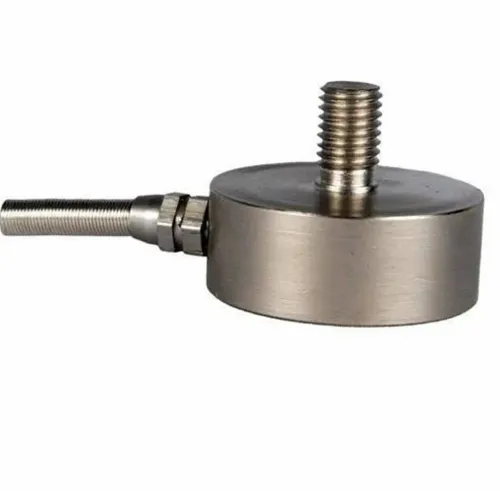
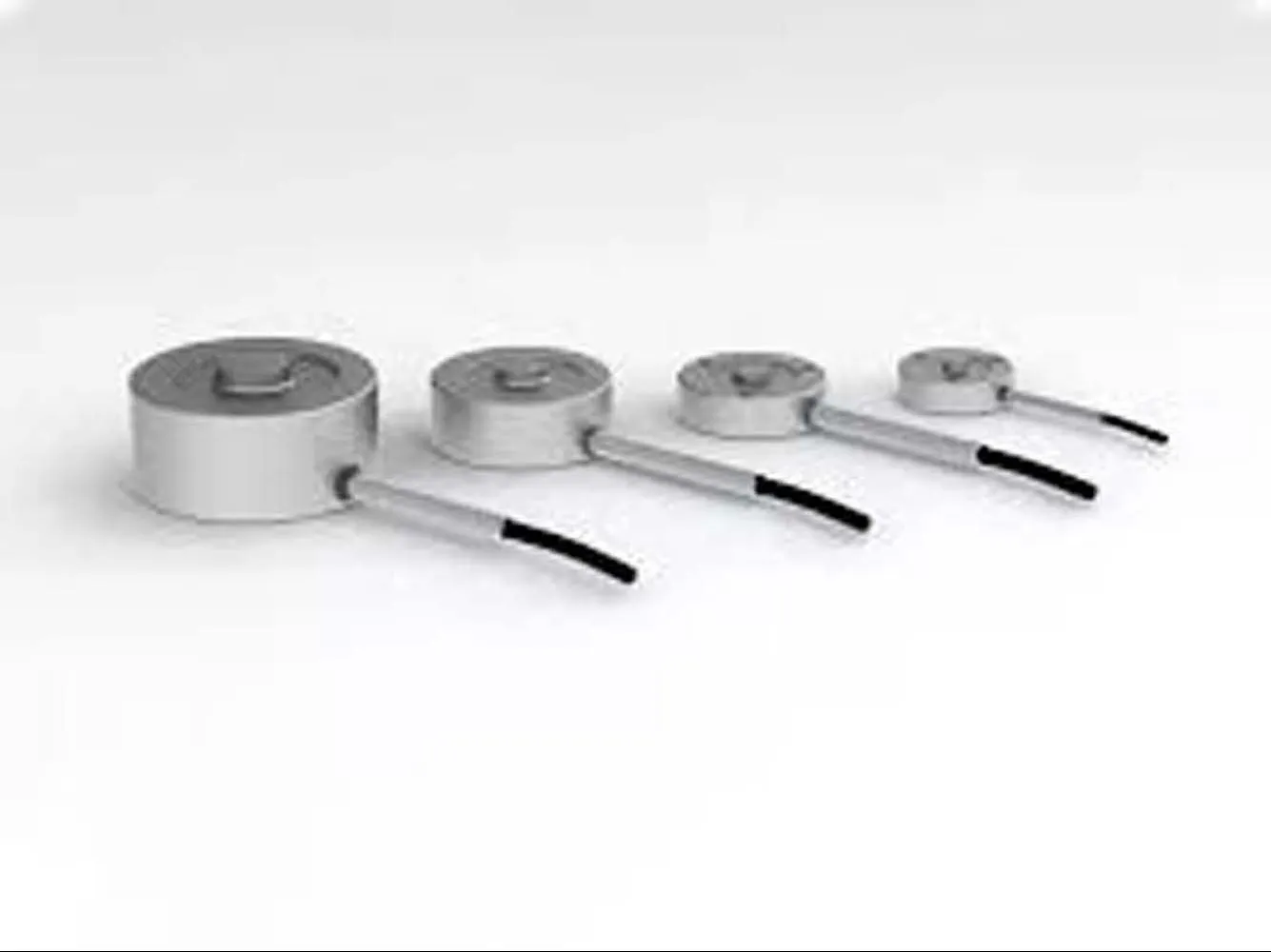
This is where subminiature button load cells shine. Despite their tiny diameter—often no larger than a coin—they are engineered to handle significant compression forces with extreme reliability. However, to get the most out of these 'small but mighty' sensors, optimization is key.
1. The Importance of Center Loading
Subminiature sensors are highly sensitive to 'off-center' or side loading. Because the sensing element is so compact, any force applied at an angle can result in measurement errors or even structural damage.
- The Fix: Ensure the load is applied strictly to the raised 'button' at the center of the sensor. Using a hardened, spherical load button can help maintain a single point of contact, even if there is a slight misalignment in the press.
2. Surface Flatness and Rigidity
A button load cell is only as accurate as the surface it sits on. If the mounting base deflects or is uneven, the sensor body may flex, leading to 'creep' or non-linearity in your data.
- The Fix: Always mount the sensor on a ground, hardened steel surface. Avoid soft aluminum or plastic bases for high-capacity measurements to prevent 'bottoming out' the sensor's deflection range.
3. Managing Thermal Expansion
In industrial environments, temperature fluctuations are common. Because subminiature cells have less mass to dissipate heat, they can be more susceptible to thermal drift.
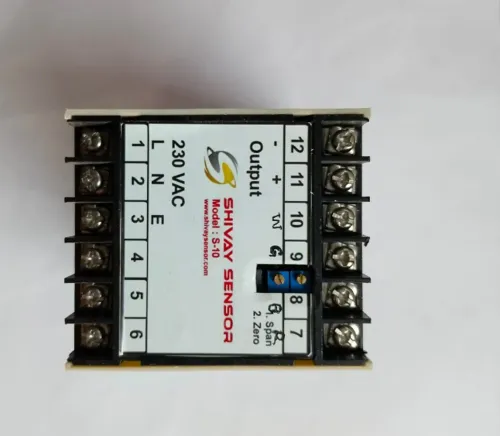
- The Fix: Look for sensors with built-in temperature compensation. Additionally, ensure that your signal conditioner or data logger is calibrated to handle the specific millivolt output of miniature sensors, which can be lower than their full-sized counterparts.
4. Wire Management in Tight Spaces
The most common point of failure for subminiature sensors isn't the internal strain gauge—it’s the cable. In cramped quarters, cables are often bent at sharp angles.
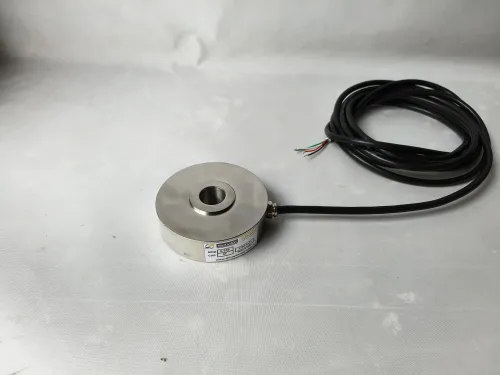
- The Fix: Use sensors with high-flex cables and integrated strain relief. Ensure the wiring is secured so that no mechanical tension is placed on the entry point of the sensor body.
Why Choose Subminiature for Your Application?
- Space Efficiency: Fits where S-beam or Pancake cells cannot.
- High Frequency Response: Their low mass allows them to capture rapid force changes, ideal for high-speed automated testing.
- Versatility: Available in capacities ranging from 1kg to over 50,000kg.
Conclusion
Optimizing your compression measurement isn't just about choosing the right sensor; it's about the environment you build around it. By focusing on alignment, mounting rigidity, and thermal stability, you can ensure that your subminiature button load cells deliver lab-grade precision in the toughest industrial settings.
Looking for high-performance sensors for your next project? As a leading manufacturer of industrial load cells and torque sensors, Shivay Sensor provides the precision and durability your applications demand.
#LoadCell #Sensors #IndustrialAutomation #ForceMeasurement #Manufacturing #Engineering #ShivaySensor #CompressionTesting #SubminiatureLoadCell #ButtonLoadCell #PrecisionEngineering #IIoT #IndustrialSensors #ForceTransducer #MechanicalEngineering
Keywords