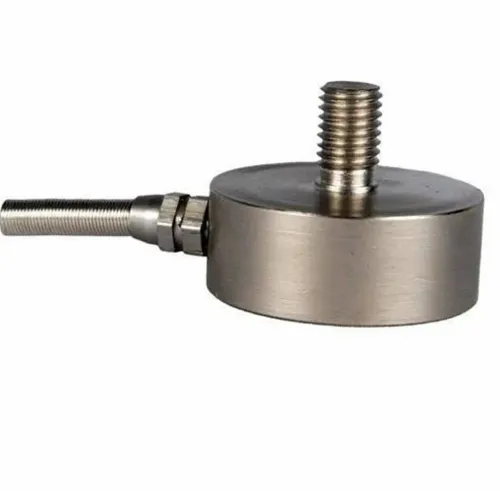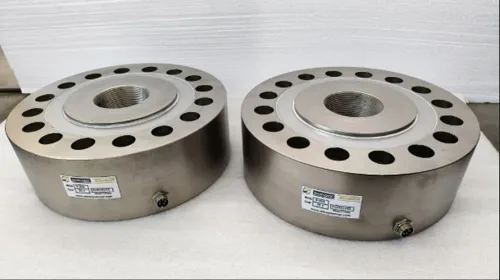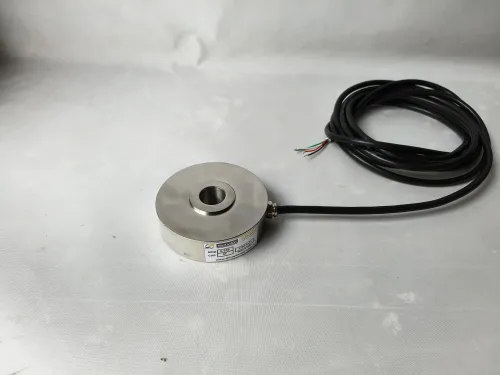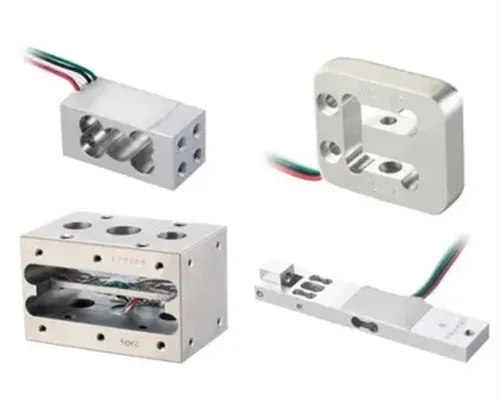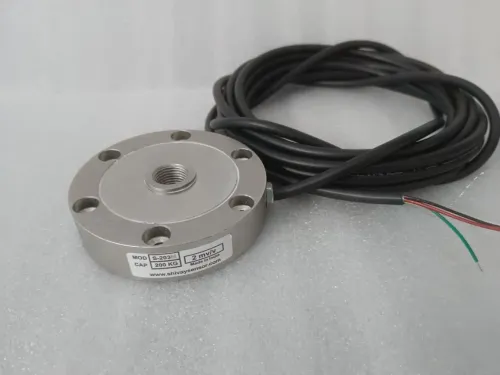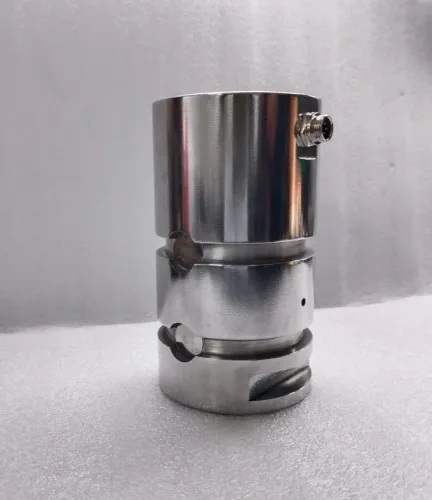
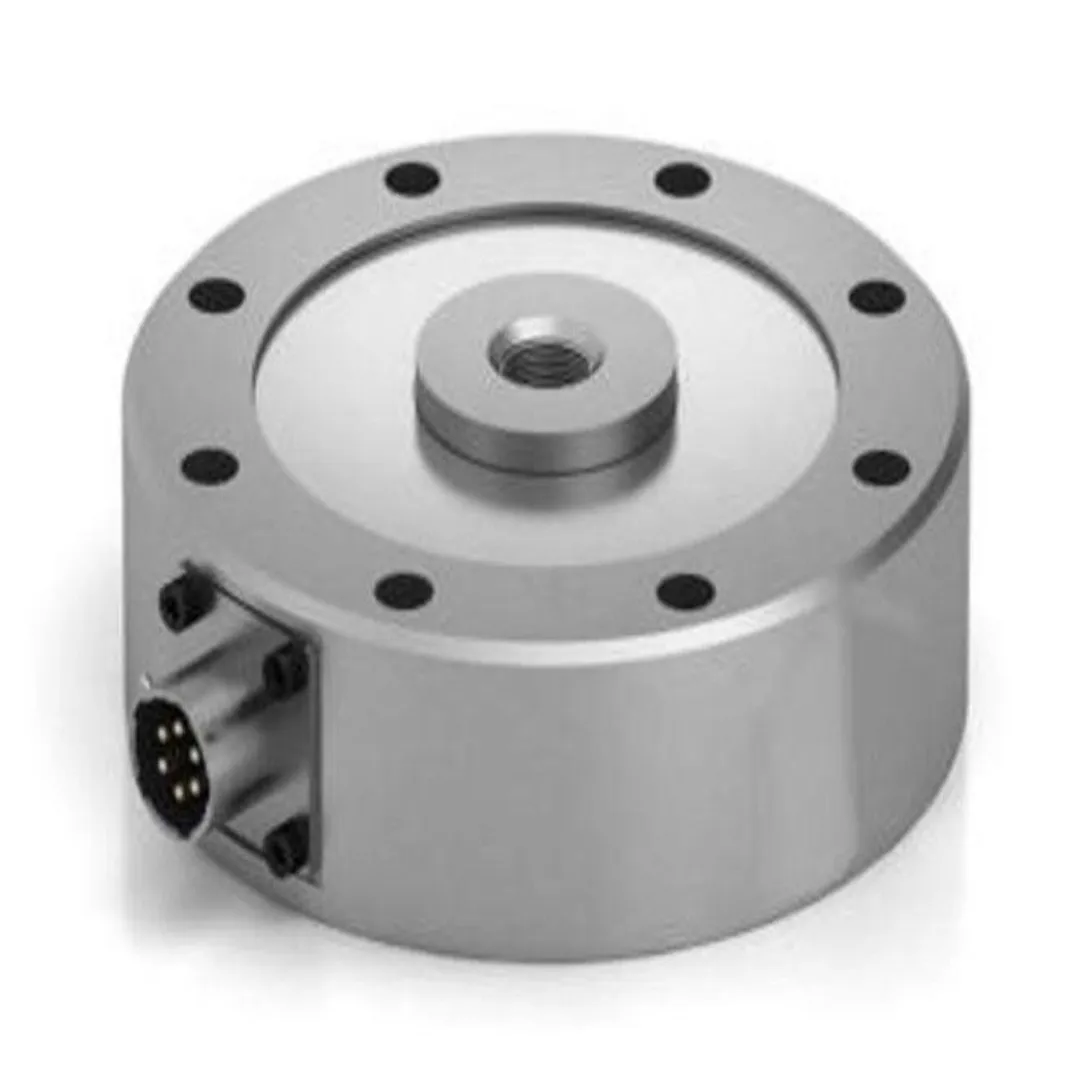
Miniature Pancake Type Load Cell
The Big Guide to Miniature Pancake Load Cells: Precision in Tight Spaces
When your application demands high-accuracy force measurement but you’re fighting for every millimeter of headspace, the Miniature Pancake Load Cell is your go-to solution.
Often referred to as 'low-profile' or 'universal' load cells, these compact powerhouses are engineered to handle both tension and compression while maintaining a slim physical footprint.
What is a Miniature Pancake Load Cell?
A miniature pancake load cell is a disc-shaped force transducer designed with a low height-to-diameter ratio. Despite their small size, they are incredibly stiff and resistant to 'off-axis' or side loading, which makes them more durable than standard S-type or beam load cells in complex setups.
Key Features and Benefits
- Low Profile: Perfect for applications with restricted vertical clearance.
- High Rigidity: Minimal deflection under load ensures fast frequency response and long-term stability.
- Tension & Compression: Most models are 'universal,' meaning they can measure pulling or pushing forces.
- Environmental Protection: Typically constructed from stainless steel and often IP-rated for moisture and dust resistance.
- Off-Center Load Compensation: The internal 'spoke' design helps maintain accuracy even if the load isn't perfectly centered.
Common Applications
Because of their durability and size, you’ll find these sensors in industries ranging from aerospace to medical manufacturing:
- Press-Fit Assembly: Monitoring the force used to join parts in automated assembly lines.
- Materials Testing: Used in compact UTMs (Universal Testing Machines) to measure tensile strength.
- Medical Devices: Integrated into infusion pumps or robotic surgical tools where space is at a premium.
- Aerospace & Defense: Measuring structural loads in tight compartments of aircraft or satellites.
Technical Specifications to Consider
When sourcing a miniature pancake load cell, keep these parameters in your checklist:
SpecificationWhy it MattersRated CapacityThe maximum force the cell can measure (e.g., 50 lbs to 5,000 lbs).Non-LinearityThe maximum deviation from a straight line (usually < 0.1% FS).Bridge ResistanceStandard is usually $350 Omega$ or $700 Omega$ for power efficiency.Operating TempCrucial if your application involves high-heat environments.Why Choose 'Pancake' Over Other Styles?
While S-Beam load cells are often cheaper, they are prone to errors if the load isn't perfectly vertical. The pancake design uses a shear web or multiple-spoke architecture that inherently cancels out side-load interference. If your machine vibrates or has slight alignment shifts, the pancake cell will provide much more reliable data.
Summary: Small Size, Massive Performance
The miniature pancake load cell proves that you don't need a bulky sensor to get professional-grade accuracy. Whether you are building a laboratory test stand or an industrial robot, these sensors provide the reliability and 'fit-anywhere' form factor modern engineering requires.
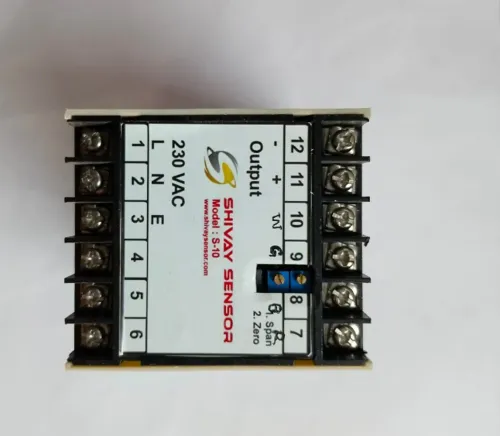
Are you looking for help selecting the right capacity or signal conditioner for your load cell? Would you like me to create a comparison table between Stainless Steel and Aluminum models to help you decide which material fits your budget and environment?
#LoadCell #Sensors #ForceMeasurement #IndustrialAutomation #Engineering #Manufacturing #PancakeLoadCell #MiniatureSensors #LowProfileLoadCell #Transducer #TensionAndCompression #PrecisionMeasurement #RoboticsEngineering #MaterialsTesting #PressFit #QualityControl #SmartManufacturing #IoT
Keywords