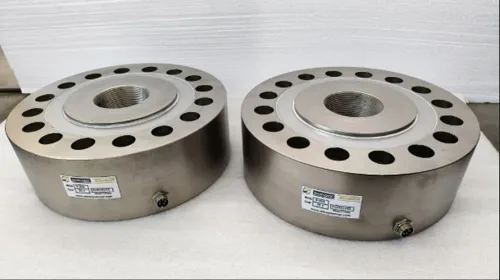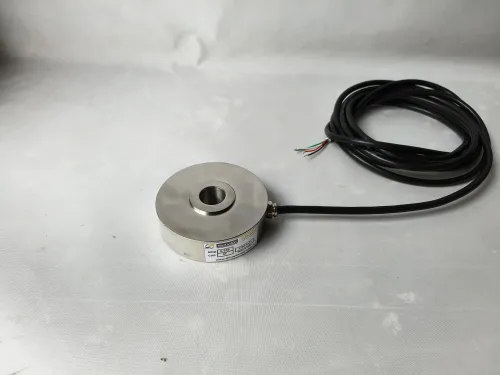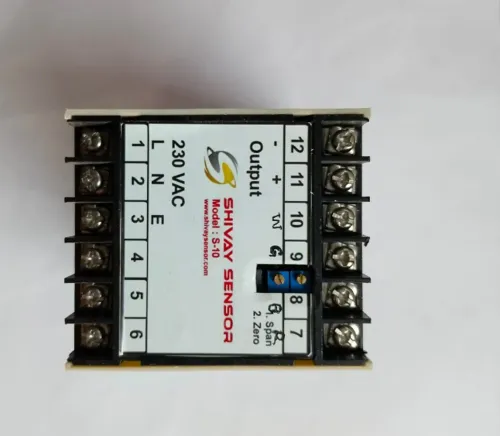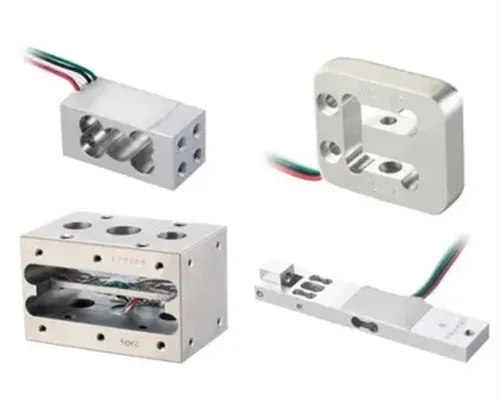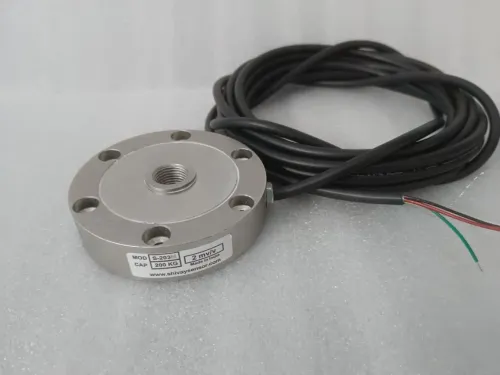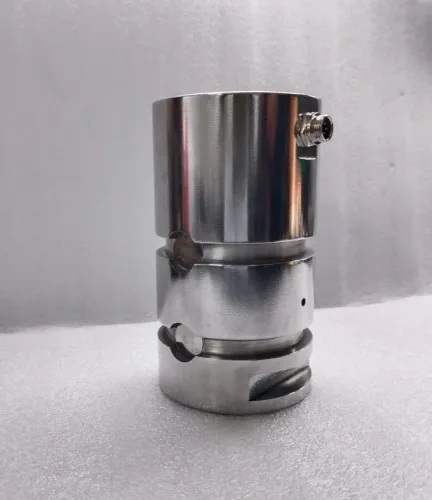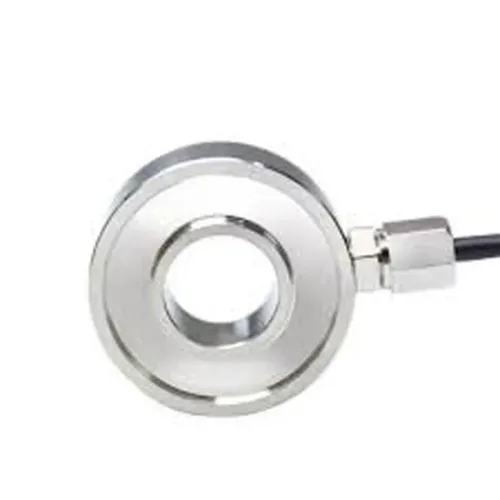
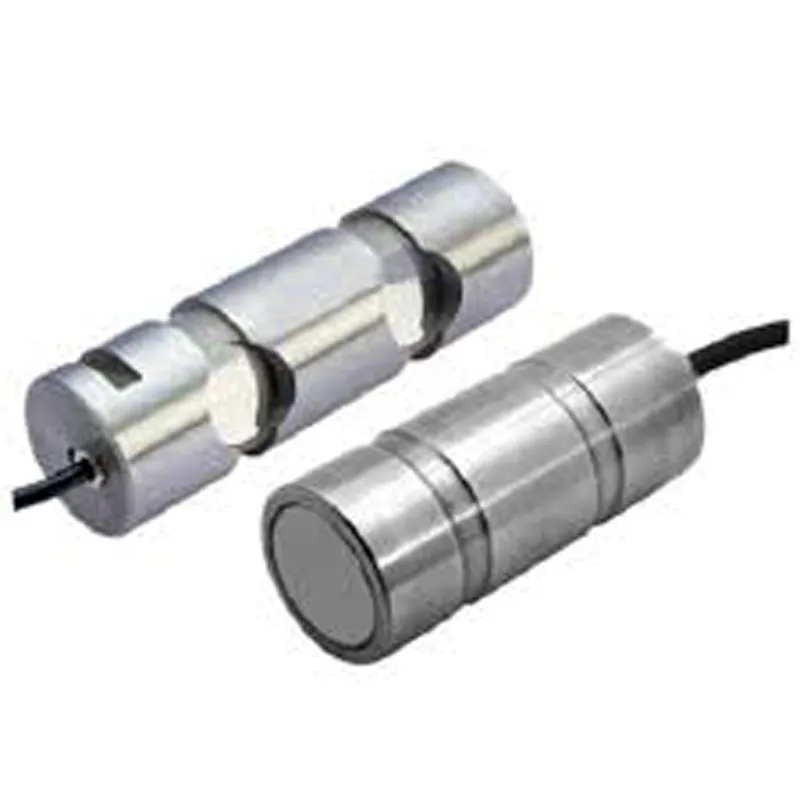
Load Cell with Built in Amplifier 0-10vdc / 4-20mA
Load Cells with Built-in Amplifiers: The Ultimate Guide to 0-10VDC and 4-20mA Output
In industrial weighing and force measurement, precision is everything. However, raw load cell signals are notoriously weak—often measured in millivolts ($mV/V$). To bridge the gap between a sensor and a PLC or controller, many engineers are turning to Load Cells with Built-in Amplifiers.
By integrating the signal conditioning directly into the sensor body, these units provide a robust 0-10VDC or 4-20mA analog output, eliminating the need for external signal conditioners.
Why Choose an Integrated Amplifier?
Standard load cells require shielded cables and external amplifiers to boost their tiny signals. An integrated solution offers several distinct advantages:
- Noise Immunity: High-level signals (like 4-20mA) are significantly less susceptible to Electromagnetic Interference (EMI) than millivolt signals.
- Plug-and-Play Simplicity: You can connect the load cell directly to a PLC, Data Acquisition (DAQ) system, or an analog meter.
- Cost Efficiency: Saves DIN rail space and reduces the cost of purchasing and wiring separate transmitters.
- Long-Distance Transmission: 4-20mA 'Current Loop' signals can travel long distances without voltage drops or signal degradation.
Choosing Your Output: 0-10VDC vs. 4-20mA
When selecting a load cell with an internal amplifier, the choice of output depends on your environment and the distance to your controller.
1. 0-10VDC (Voltage Output)
- Best for: Short distances (under 30 feet) and high-speed data acquisition.
- Pros: Easy to measure with standard multimeters; high resolution for laboratory settings.
- Cons: Susceptible to voltage drops over long cables and sensitive to electrical noise from nearby motors.
2. 4-20mA (Current Loop)
- Best for: Industrial environments and long-distance wiring.
- Pros: Highly resistant to electrical noise; 'Live Zero' (4mA) allows the system to detect a broken wire if the signal drops to 0mA.
- Cons: Requires a load resistor at the receiver to convert current back to voltage for some controllers.
Feature0-10VDC Output4-20mA OutputNoise ResistanceModerateHighMax Cable LengthShort (< 10m)Long (100m+)Error DetectionHard to detect 0V vs. BreakEasy (0mA = Fault)Power ConsumptionLowModerateKey Applications
Load cells with built-in amplification are versatile and used across various industries:
- Automated Manufacturing: Integrating weight data directly into PLC-controlled assembly lines.
- Tank & Hopper Weighing: Monitoring inventory levels in silos without complex external wiring.
- Materials Testing: Measuring tension or compression in real-time QC environments.
- Medical Equipment: Precision force measurement in scales and rehabilitation devices.
Technical Considerations for Installation
To get the most out of your amplified load cell, keep these technical points in mind:
- Excitation Voltage: Most amplified load cells require a stable DC power supply, typically between 12VDC and 24VDC.
- Calibration: While these units come pre-calibrated, always perform a 'Zero' and 'Span' check once the sensor is installed in its final mechanical housing.
- Shielding: Even with a high-level output, using shielded cables is a best practice to ensure the highest signal integrity in 'dirty' electrical environments.
Ready to Upgrade Your Measurement System?
Choosing a load cell with a built-in amplifier simplifies your architecture and boosts reliability. Whether you need the simplicity of 0-10VDC or the ruggedness of 4-20mA, these sensors are the modern standard for industrial force measurement.
Would you like me to help you draft a technical specification sheet or a product comparison table for a specific model you have in mind?
#LoadCell #IndustrialAutomation #Sensors #4to20mA #SignalConditioning #PLC #AnalogOutput #ControlSystems #Instrumentation #WeightMeasurement #ProcessControl #Manufacturing #IIoT #SmartFactory #IndustrialEngineering #ScaleService #WeighingSystems #ForceMeasurement
Keywords