Understanding the Button Load Cell: A Comprehensive Guide
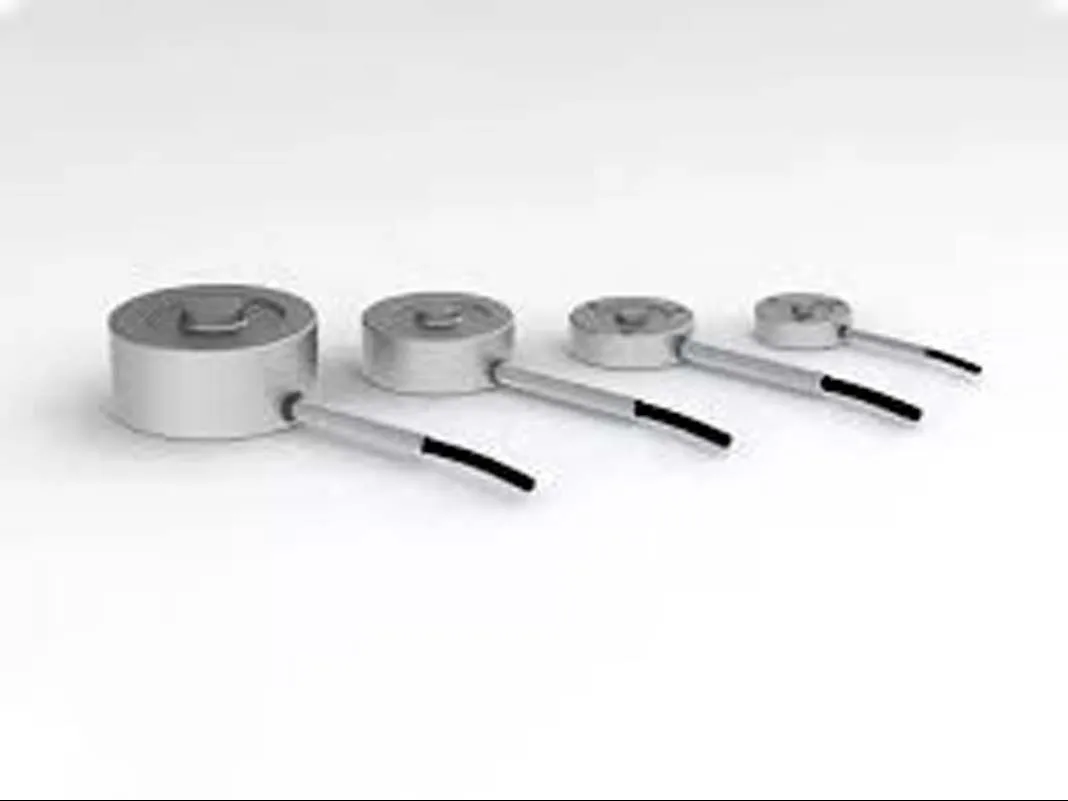
The button load cell is a compact, high-precision force sensor designed for a wide range of applications where space is a critical constraint. These small, disc-shaped devices are essential components in various industries, from medical and automotive to robotics and industrial automation. This guide will delve into the fundamental principles, key features, and diverse applications of button load cells, offering a clear and concise overview for engineers, technicians, and students.
What is a Button Load Cell?
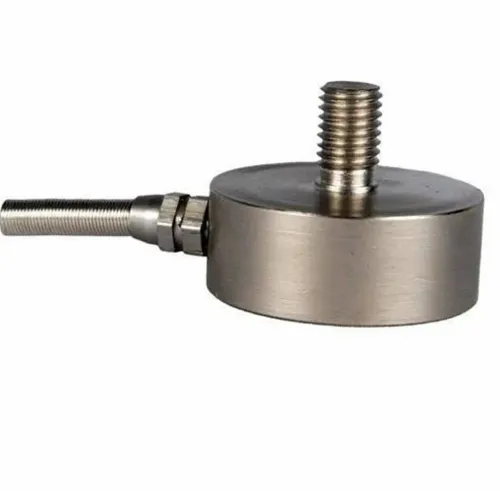
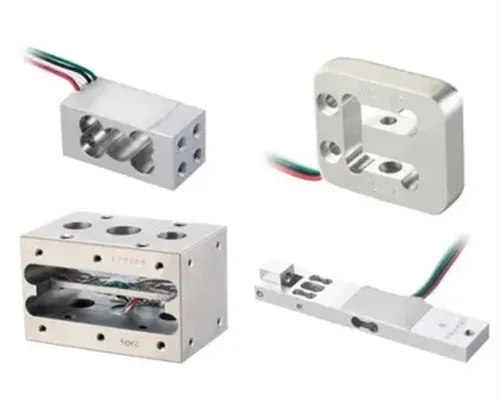
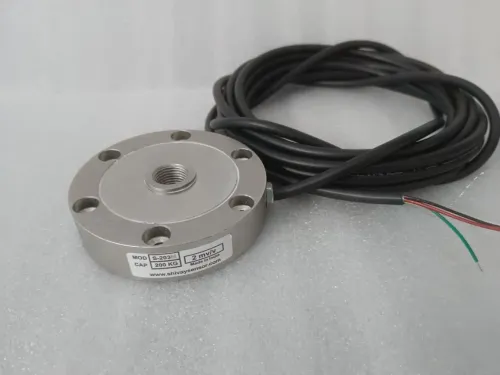
A load cell is a transducer that converts a force into an electrical signal. The button load cell, as its name suggests, is characterized by its low-profile, button-like shape. It typically consists of a steel or aluminum housing with a strain gauge bridge bonded to a central measuring element. When a compressive force is applied to the top of the button, the internal element deforms. This deformation causes the resistance of the strain gauges to change, which is then converted into a proportional electrical signal.
The Inner Workings: Strain Gauges and the Wheatstone Bridge
The core of a button load cell's functionality lies in its strain gauges and the Wheatstone bridge circuit.
- Strain Gauges: These are small, electrical resistors designed to change resistance when they are stretched or compressed. In a button load cell, they are strategically placed on the sensing element to measure the minute deformations caused by applied force.
- Wheatstone Bridge: A Wheatstone bridge is an electrical circuit used to measure an unknown electrical resistance by balancing two legs of the bridge circuit, one of which contains the unknown component. In a load cell, four strain gauges are connected in a Wheatstone bridge configuration. When a force is applied, the resistance of the gauges changes, unbalancing the bridge and producing a measurable output voltage. This voltage is directly proportional to the applied force.
Key Features and Advantages
Button load cells are prized for their specific characteristics that make them ideal for certain applications.
- Compact Design: Their small size and low profile allow them to be integrated into tight spaces where traditional load cells would not fit. This is particularly useful in medical devices, robotics, and consumer electronics.
- High Accuracy and Precision: Despite their size, these load cells offer exceptional accuracy and repeatability. They are capable of measuring very small forces with high resolution, making them suitable for sensitive applications like force-feedback systems and material testing.
- Durability: Many button load cells are made from robust materials like stainless steel, which provides excellent resistance to corrosion and harsh environmental conditions. They are built to withstand millions of force cycles, ensuring a long operational life.
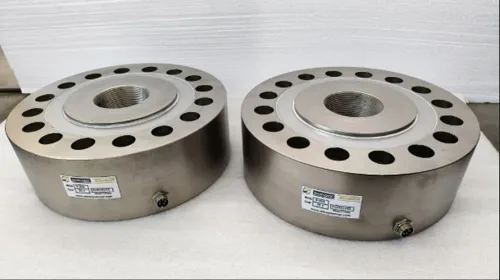
- Wide Range of Capacities: Button load cells are available in a broad spectrum of capacities, ranging from a few grams to several tons, catering to diverse force measurement needs.
- Ease of Integration: Their simple design and standard mounting options make them easy to install and integrate into existing systems.
Applications Across Industries
The versatility of the button load cell makes it a crucial component in numerous fields.
- Medical: In the medical industry, button load cells are used in infusion pumps for fluid delivery control, patient monitoring systems, and surgical robotics to provide haptic feedback. A leading button load cell manufacturer often supplies specialized sensors for this sector.
- Robotics: In robotics, they are used for grip force sensing, collision detection, and end-of-arm tooling to ensure precise and safe manipulation of objects.
- Automotive: Button load cells are employed in automotive applications for pedal force measurement, brake force analysis, and seat occupancy detection systems.
- Aerospace: They are used in aerospace for flight control systems, structural testing of aircraft components, and ground support equipment.
- Industrial Automation: In manufacturing, they serve as force sensors in assembly lines, press-fitting operations, and quality control checks to ensure product consistency.
- Consumer Electronics: Even in everyday devices, these small sensors can be found in force-sensitive touchpads and gaming controllers.
Choosing the Right Button Load Cell
Selecting the right button load cell involves considering several factors:
- Capacity: The maximum force the load cell needs to measure. It is crucial to choose a capacity that exceeds the maximum expected load to prevent damage.
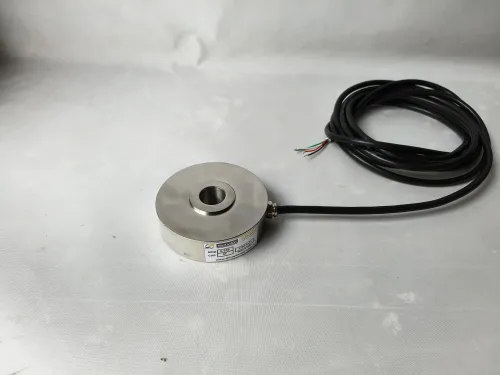
- Size and Mounting: The physical dimensions of the load cell and the method of installation (threaded holes, adhesive mounting, etc.) must match the application's requirements.
- Environmental Conditions: The operating environment's temperature, humidity, and potential exposure to corrosive substances will determine the material and sealing required for the load cell.
- Accuracy and Resolution: The required level of precision and the smallest change in force that needs to be detected will influence the choice of a specific model.
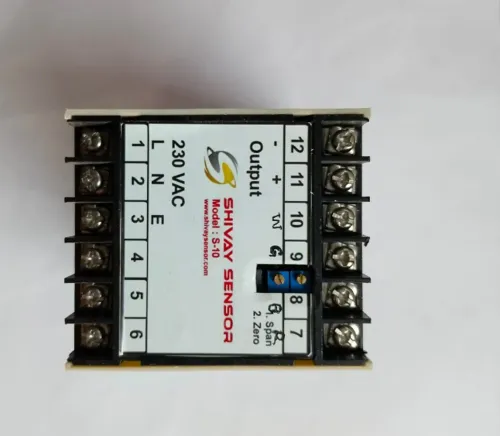
- Signal Output: Load cells typically provide a millivolt output, which may require an external amplifier or signal conditioner to convert the signal into a more usable format like 0-10V or 4-20mA.
A reputable button load cell manufacturer can provide detailed datasheets and technical support to assist in this selection process. For instance, a button load cell manufacturer may offer hermetically sealed models for harsh, wet environments or miniature versions for ultra-compact devices.
Conclusion
The button load cell is a testament to the power of miniaturization in engineering. Its ability to provide accurate and reliable force measurements in a compact form factor has made it an indispensable tool across countless industries. As technology continues to advance, we can expect to see these versatile sensors play an even greater role in smart devices, automated systems, and innovative new products.
We are also supply in Andhra Pradesh, Arunachal Pradesh, Assam, Bihar, Chhattisgarh, Goa, Gujarat, Haryana, Himachal Pradesh, Jharkhand, Karnataka, Kerala, Madhya Pradesh, Maharashtra, Manipur, Meghalaya, Mizoram, Nagaland, Odisha, Punjab, Rajasthan, Sikkim, Tamil Nadu, Telangana, Tripura, Uttar Pradesh, Uttarakhand, and West Bengal
Keywords