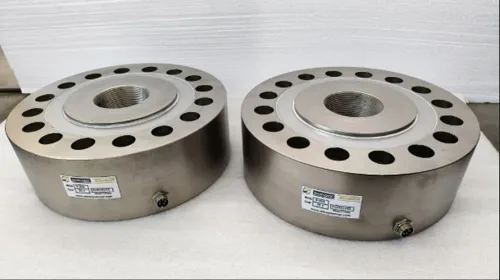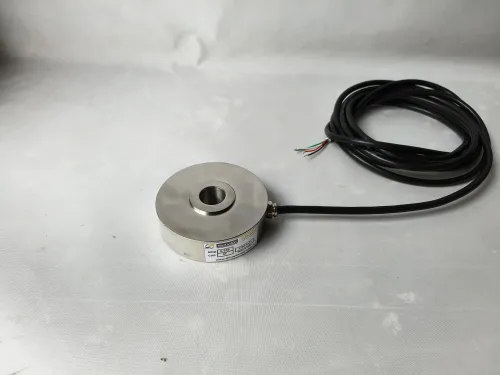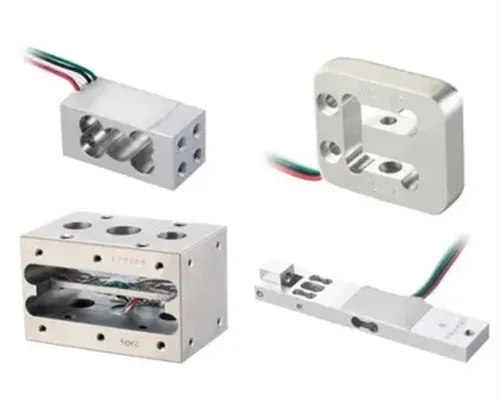
Universal Force Sensors: Heavy Duty Tension and Compression Models
In the world of industrial weighing and force measurement, versatility is often just as important as strength. Whether you are testing the structural integrity of a bridge or monitoring the weight of a massive silo, you need a sensor that can handle forces in both directions.
This is where Universal Force Sensors—specifically heavy-duty tension and compression models—become the backbone of modern industrial applications.
What is a Universal Force Sensor?
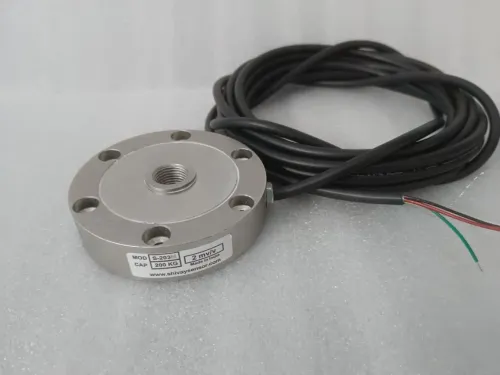
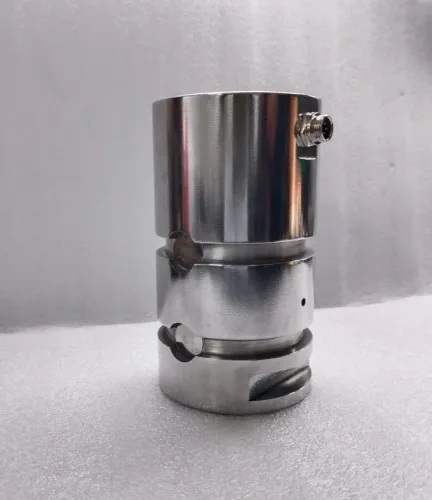
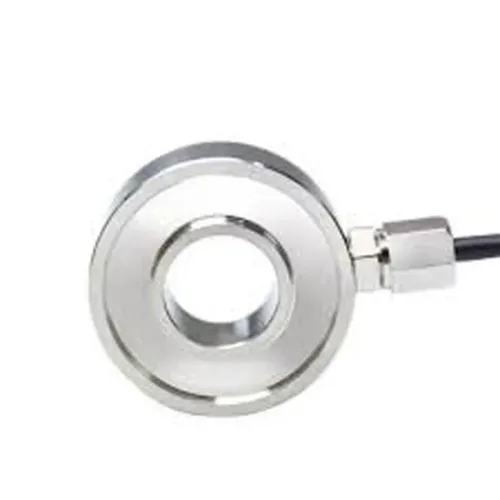
A universal force sensor (often referred to as a bidirectional load cell) is engineered to measure both push (compression) and pull (tension) forces. Unlike standard load cells that are calibrated for a single direction, these heavy-duty models utilize specialized strain gauge configurations to provide high-accuracy data regardless of the force direction.
Key Applications for Heavy-Duty Models
- Materials Testing: Destructive and non-destructive testing of metals, cables, and composites.
- Structural Monitoring: Monitoring tension in suspension cables while accounting for compressive loads in support beams.
- Industrial Automation: High-capacity assembly lines where robotic arms perform both lifting and pressing operations.
- Aerospace & Defense: Measuring thrust and lift forces during component stress tests.
Why 'Heavy-Duty' Matters
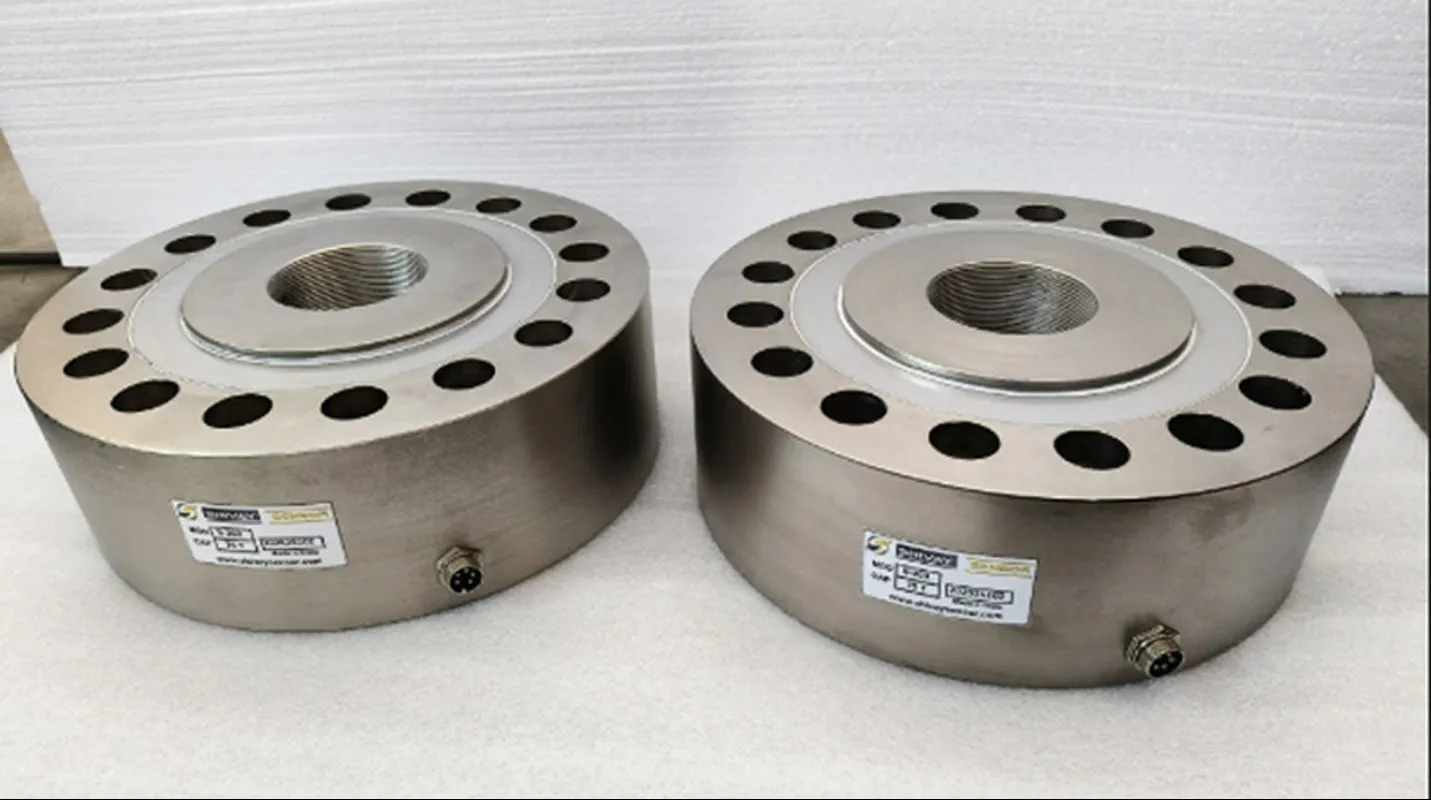
When dealing with capacities ranging from 5 tons to over 500 tons, the margin for error disappears. A true heavy-duty universal sensor offers:
- High Fatigue Life: Designed to withstand millions of cycles without losing calibration.
- Environmental Sealing: Typically rated IP67 or IP68, protecting the internal electronics from dust, moisture, and corrosive industrial fluids.
- Robust Material Construction: Usually forged from high-grade alloy steel or stainless steel to prevent mechanical deformation under extreme loads.
- Minimal Deflection: Ensuring that the sensor measures the force without physically 'giving' under the weight.
Technical Specifications to Watch For
When selecting a heavy-duty model, engineers should prioritize the following parameters:
FeatureImportanceNon-LinearityEssential for maintaining accuracy across the entire range ($0%$ to $100%$).HysteresisCritical when switching quickly between tension and compression modes.Compensated TemperatureEnsures the sensor doesn't 'drift' in outdoor or high-heat environments.Output SignalMost industrial models use $2mV/V$ or $3mV/V$, requiring a high-quality Load Cell Amplifier.Choosing the Right Setup
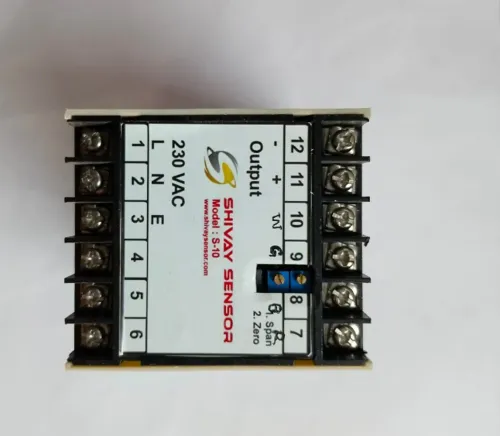
A heavy-duty sensor is only as good as the electronics it is paired with. For high-capacity industrial environments, ensure your universal sensor is integrated with a high-resolution ADC (Analog-to-Digital Converter) and a rugged controller. This ensures that the micro-voltage changes captured by the strain gauges are translated into actionable, stable data.
Conclusion
Universal force sensors are the 'all-rounders' of the industrial world. By investing in heavy-duty tension and compression models, you gain the flexibility to handle diverse measurement tasks with a single, ruggedized solution
#LoadCells
#ForceSensors
#IndustrialWeighing
#SensorTechnology
#Automation
#MaterialTesting
#StructuralMonitoring
#HeavyIndustry
#TestAndMeasurement
#QualityControl
Keywords