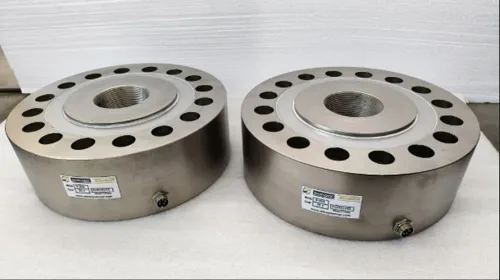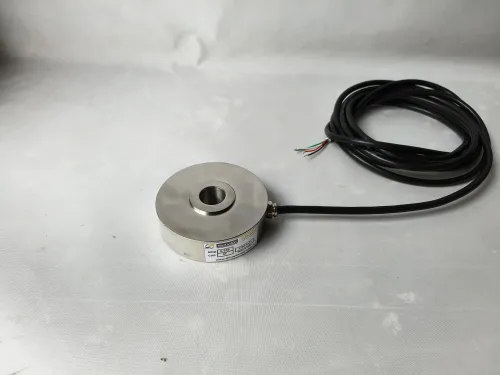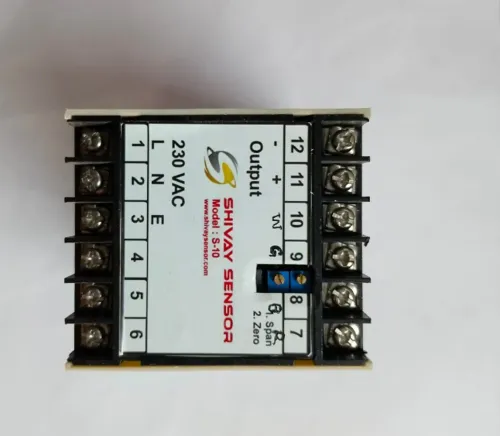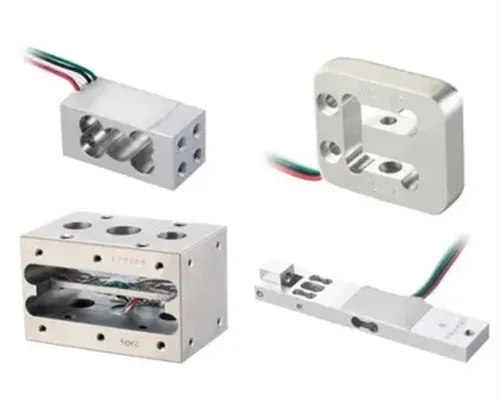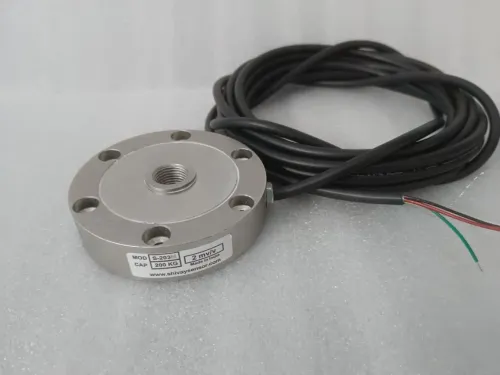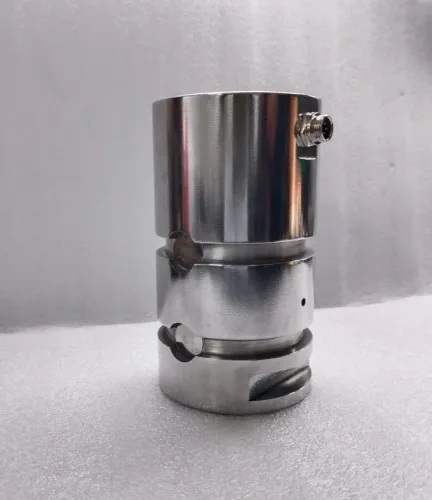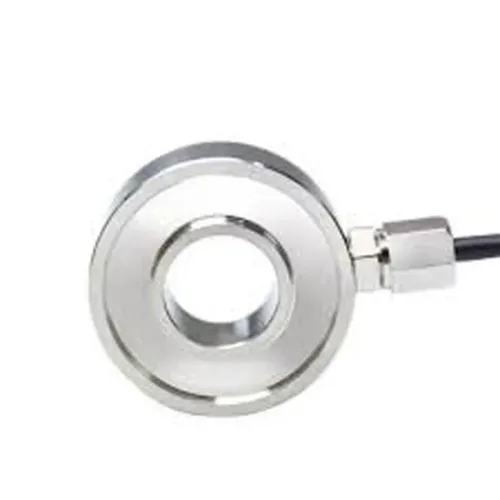
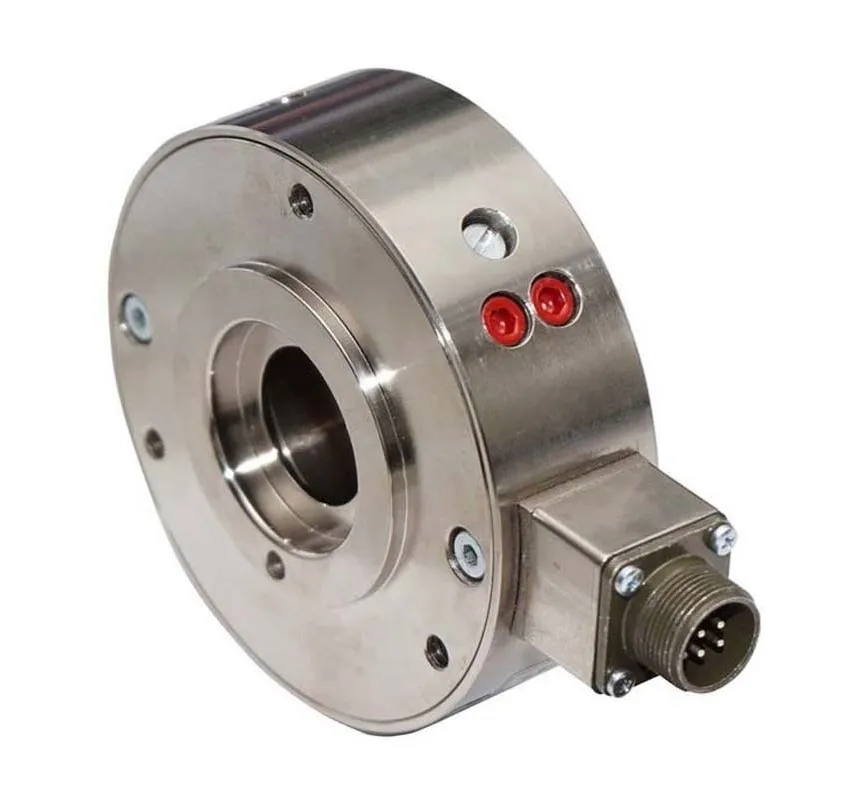
Web Tension Load Cells: Flange & Pillow Block Mount Sensors
In the world of continuous processing—whether you’re dealing with paper, plastic film, textiles, or foil—tension control is everything. If your web is too loose, you get wrinkles and tracking errors; too tight, and you face material deformation or costly snap-breaks.
To maintain that 'Goldilocks' zone of tension, you need precise measurement. That’s where Web Tension Load Cells come in. Specifically, the two industry workhorses: Flange Mount and Pillow Block sensors.
What is a Web Tension Load Cell?
A web tension load cell is a transducer that measures the force exerted by a material web as it passes over a sensing roller. It converts the mechanical force of the web into an electrical signal (usually millivolts), which is then sent to a controller to adjust motor speeds or brake pressure in real-time.
1. Flange Mount Load Cells: Sleek and Integrated
Flange mount sensors are designed to bolt directly onto the internal side of a machine's frame. They are typically compact and 'low profile,' making them the go-to choice when space is at a premium.
Key Features:
- Direct Mounting: They replace the standard bearing housings on your machine frame.
- Space-Saving: Since they sit flush against the frame, they don't extend the machine's footprint significantly.
- High Rigidity: Excellent for high-speed applications where vibration needs to be minimized.
Best For:
Narrow web applications, converting machines, and environments where clean, integrated aesthetics and space-saving are priorities.
2. Pillow Block Load Cells: The Heavy-Duty Standard
Pillow block load cells (often called 'pedestal' mounts) sit on top of a flat surface, such as a machine's horizontal frame or a bracket. They support the roller shaft from underneath.
Key Features:
- Ease of Maintenance: Because they sit on top of the frame, they are easy to access for calibration or replacement.
- Versatility: They can be used with a wide variety of bearing styles.
- High Capacity: Generally preferred for heavy-duty webs (like metal or heavy paper) where the weight of the roller itself is substantial.
Best For:
Wide web processing, heavy materials, and older machines being retrofitted with modern tension sensing.
Comparison: Which One Do You Need?
FeatureFlange MountPillow BlockMounting PositionSide of machine frameTop of machine frameSpace RequirementLow (Compact)ModerateInstallationIntegrated / SleekAccessible / ExternalTypical LoadingLow to MediumMedium to Very HighWhy Accuracy Matters in Web Tension
Choosing the right mount is only half the battle. You also have to consider the Resultant Force ($F_R$). This is the vector sum of the web tension and the weight of the roller.
To calculate the force the load cell actually 'sees,' we use the physics of wrap angles:
$$F_R = 2T sinleft(frac{B}{2}right)$$
Where:
- $T$ = Web Tension
- $B$ = Wrap Angle
If your load cells aren't sized correctly for this resultant force, you’ll end up with 'signal noise' or, worse, a bent sensor.
Final Thoughts: Don't Let Your Tension Snap
Whether you opt for the integrated profile of a Flange Mount or the rugged accessibility of a Pillow Block, the goal remains the same: consistency. Accurate tension measurement reduces waste, prevents downtime, and ensures a high-quality end product.
#WebTension#LoadCells#ConvertingIndustry#ProcessControl#ManufacturingAutomation#Sensors
Keywords