Heavy Duty Compression Load Cell Manufacturer
High-capacity compression load cells are the unsung heroes of heavy industry, playing a critical role in ensuring safety, accuracy, and efficiency across a wide range of applications. As a leading heavy duty compression load cell manufacturer, we understand the nuances of these robust sensors and their importance in demanding environments.
What is a High-Capacity Compression Load Cell?
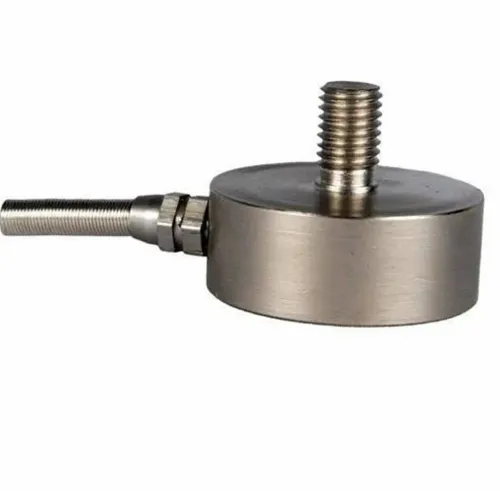
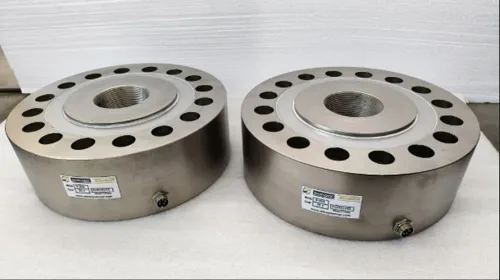
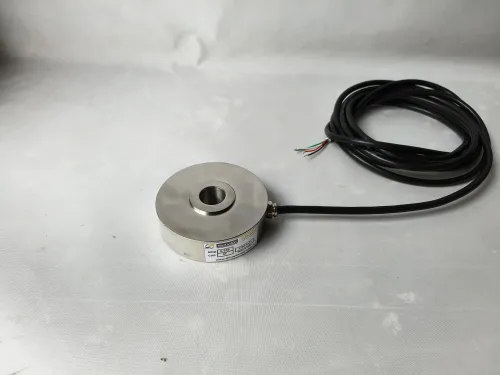
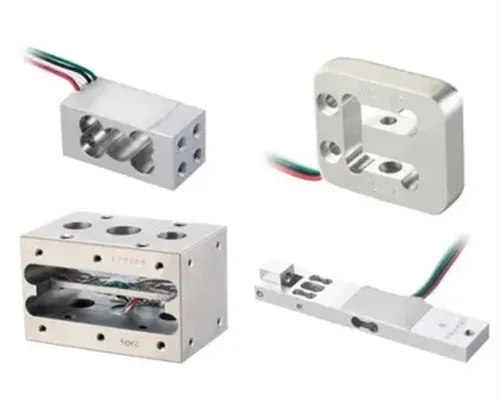
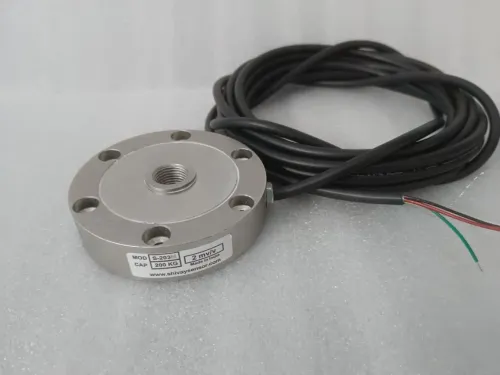
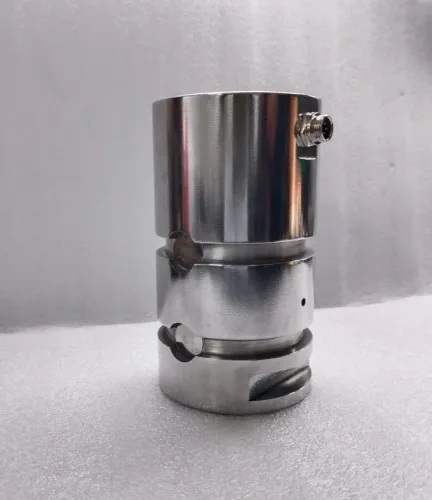
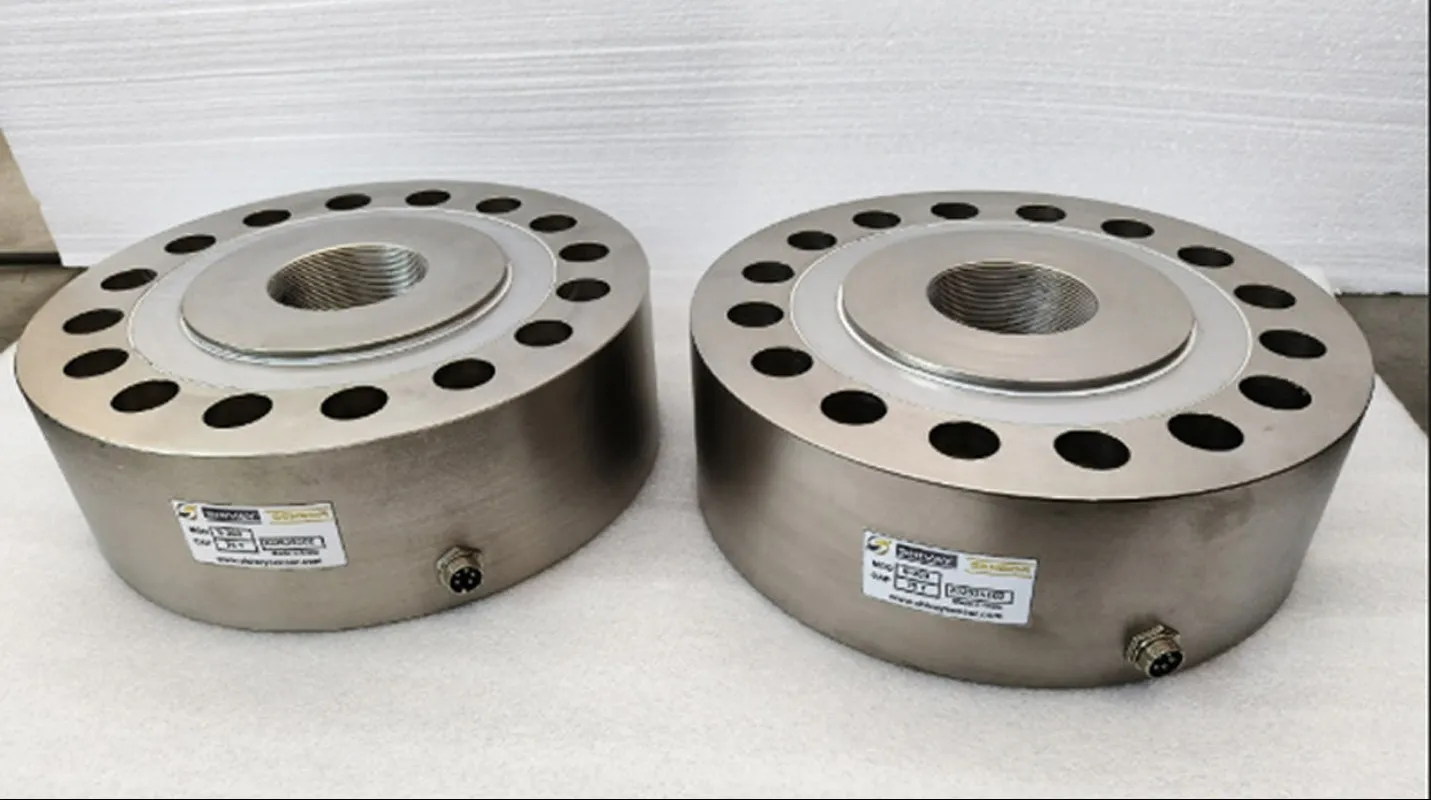
A load cell is a transducer that converts a force, or load, into an electrical signal. A compression load cell is specifically designed to measure compressive forces—that is, a pushing or squeezing force. High-capacity models are engineered to withstand and accurately measure extremely heavy loads, often ranging from several thousand pounds to millions of pounds.
These devices are essential in industries where large-scale weighing or force measurement is required. Think of the enormous forces involved in testing materials for skyscraper construction, weighing a fully-loaded semi-truck, or monitoring the tension on a massive bridge cable.
The Inner Workings: How They Achieve Precision and Durability
The core of a high-capacity compression load cell is a precisely machined piece of metal, often made from high-strength steel or a similar alloy. This metal body, known as the spring element or strain body, is designed to deform slightly under load.
Attached to this body are tiny electrical sensors called strain gauges. A strain gauge is a resistive sensor whose electrical resistance changes when it's stretched or compressed. When a load is applied to the load cell, the spring element deforms, and this deformation causes the strain gauges to change shape. This change in shape alters their resistance, which is measured by a Wheatstone bridge circuit.
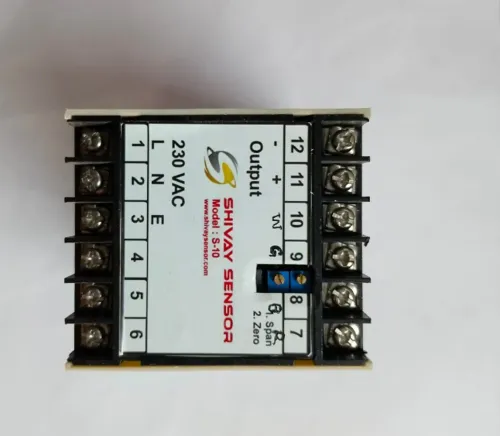
The Wheatstone bridge is a clever circuit configuration that amplifies the small changes in resistance from the strain gauges, providing a stable, linear output signal. This signal, typically in millivolts, is directly proportional to the applied force. This is the fundamental principle behind a compression load cell's ability to provide accurate and repeatable measurements.
To protect these delicate internal components and ensure the load cell's longevity, the entire assembly is housed in a rugged enclosure. This housing is crucial for protecting against moisture, dust, and mechanical damage—all common threats in industrial settings.
Key Applications in Heavy Industry
High-capacity compression load cells are indispensable in countless applications. Here are a few examples:
Civil Engineering and Construction
In civil engineering, these load cells are used for structural health monitoring. They can measure the load on bridge supports, foundation pilings, and retaining walls, providing critical data to ensure safety and prevent catastrophic failure. They're also used to test the strength of concrete and other construction materials in labs.
Manufacturing and Industrial Automation
From weighing massive industrial vessels and tanks to controlling the force in a hydraulic press, high-capacity load cells are a cornerstone of modern manufacturing. They help ensure quality control by verifying the weight of raw materials and finished products and are essential for automated processes where precise force control is required.
Transportation and Logistics
Think of truck scales at a quarry or a port. These scales use multiple heavy duty compression load cells to weigh enormous vehicles, ensuring they are not overloaded and accurately billing for the cargo. They are also used in railcar weighing systems and for measuring the weight of aircraft on the ground.
Testing and Research
In research and development, these load cells are used in material testing machines to determine the tensile and compressive strength of new materials. They are also used in aerospace to test components under extreme loads and in automotive crash testing. A heavy duty compression load cell manufacturer is often a key partner for research institutions due to the specific and often custom requirements of R&D projects.
Choosing the Right High-Capacity Load Cell
Selecting the right load cell is critical for performance and safety. As a heavy duty compression load cell manufacturer, we advise considering the following factors:
- Capacity: The maximum load the cell can measure. Always choose a load cell with a capacity greater than your expected maximum load to prevent damage.
- Accuracy and Linearity: The ability of the load cell to provide a measurement that is proportional to the applied load.
- Environmental Protection: The IP (Ingress Protection) rating indicates how well the load cell is protected against dust and moisture. For outdoor or harsh environments, a high IP rating is essential.
- Material: Stainless steel and alloy steel are common materials, each with benefits in terms of corrosion resistance and durability.
- Mounting and Configuration: The physical design of the load cell must be compatible with your application's mounting requirements.
The Role of a Heavy Duty Compression Load Cell Manufacturer
Our role goes beyond simply producing a component. We work closely with our clients to understand their specific needs and provide solutions that are not only accurate but also reliable and long-lasting. This involves:
- Customization: Designing and manufacturing load cells for unique applications, including custom capacities, sizes, and environmental specifications.
- Calibration and Testing: Rigorously testing each load cell to ensure it meets the highest standards of accuracy and linearity. This is a critical step that guarantees the performance of the product.
- Technical Support: Providing expert guidance on installation, calibration, and troubleshooting.
In a world where precision and reliability are paramount, the high-capacity compression load cell stands as a testament to engineering excellence. We are proud to be a heavy duty compression load cell manufacturer, providing the foundational technology that helps build, monitor, and move our world.
We are also supply in Andhra Pradesh, Arunachal Pradesh, Assam, Bihar, Chhattisgarh, Goa, Gujarat, Haryana, Himachal Pradesh, Jharkhand, Karnataka, Kerala, Madhya Pradesh, Maharashtra, Manipur, Meghalaya, Mizoram, Nagaland, Odisha, Punjab, Rajasthan, Sikkim, Tamil Nadu, Telangana, Tripura, Uttar Pradesh, Uttarakhand, and West Bengal.
Keywords