Industrial Load Cell Amplifiers & Signal Conditioners: 4-20mA vs. 0-10V Outputs
In industrial automation, precision is everything. Whether you are managing automated batching plants, monitoring silo inventories, or managing high-speed packaging lines, your weight data must be flawless.
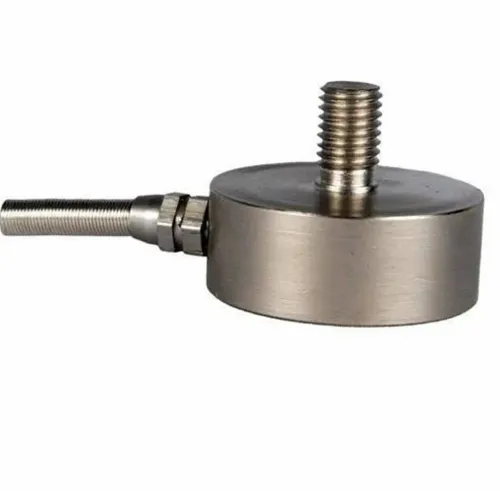
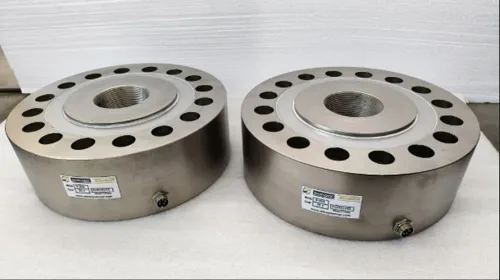
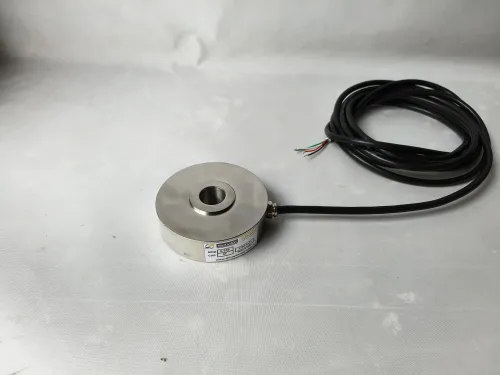
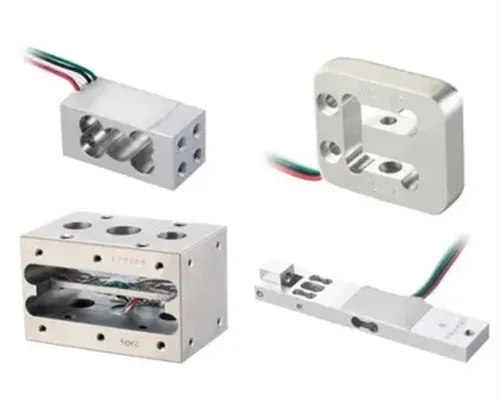
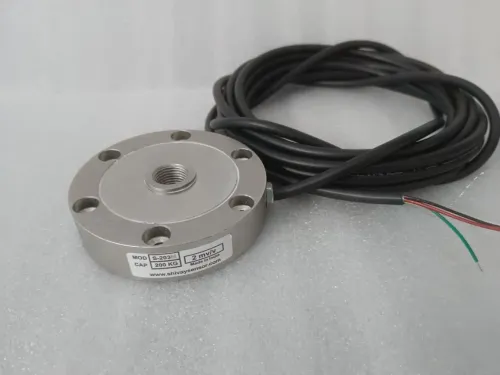
However, raw weight sensors do not speak the same language as your control systems. A standard strain-gauge load cell outputs a microscopic millivolt signal—typically around 1mV/V to 3mV/V. If you try to run that tiny signal across a noisy factory floor directly to a PLC, electromagnetic interference (EMI) will degrade the signal before it arrives.
That is where an industrial load cell amplifier and signal conditioner becomes essential.
What Does a Load Cell Signal Conditioner Actually Do?
An industrial signal conditioner serves three critical functions in a weighing system:
- Excitation Voltage Supply: It provides a highly stable, regulated DC voltage (usually 5V or 10V) to power the load cell's internal strain gauge bridge.
- Amplification: It takes the fragile millivolt signal ($mV/V$) and boosts it into a robust, standardized industrial analog or digital signal.
- Electrical Isolation & Filtering: It filters out high-frequency electrical noise caused by nearby motors, variable frequency drives (VFDs), and heavy machinery, ensuring the PLC receives clean data.
Choosing Your Output: 4-20mA Current Loop vs. 0-10V Voltage
Most high-quality industrial amplifiers offer selectable analog outputs, typically 4-20mA or 0-10V (and sometimes 0-5V). Choosing the right one depends heavily on your factory layout.
1. The 4-20mA Current Loop (The Industry Standard)
For the vast majority of industrial applications, a 4-20mA current loop is the preferred choice.
- Immunity to Noise: Because it is a current loop, it is highly resistant to electromagnetic interference and voltage drops.
- Long Distance Running: You can reliably transmit a 4-20mA signal over hundreds of feet without losing signal strength or accuracy.
- Live Zero Line Fault Detection: Because a valid 'zero weight' is represented by 4mA (not 0mA), your PLC can instantly tell if a wire breaks. If the signal drops to 0mA, the system flags an immediate loop error.
2. The 0-10V (or 0-5V) Voltage Output
Voltage signals are simple to work with but carry inherent physical limitations.
- Best for Short Distances: Voltage signals are susceptible to line resistance. Over long wire runs, the voltage drops slightly, resulting in inaccurate weight readings at the PLC. Keep voltage outputs within the same control cabinet or under 30 feet.
- Simpler Troubleshooting: Technicians can easily test a 0-10V signal using a basic multimeter without breaking the circuit loop.
Key Features to Look for in an Industrial Weight Transmitter
When sourcing amplifiers for your facility, ensure the hardware meets these minimum baseline specs:
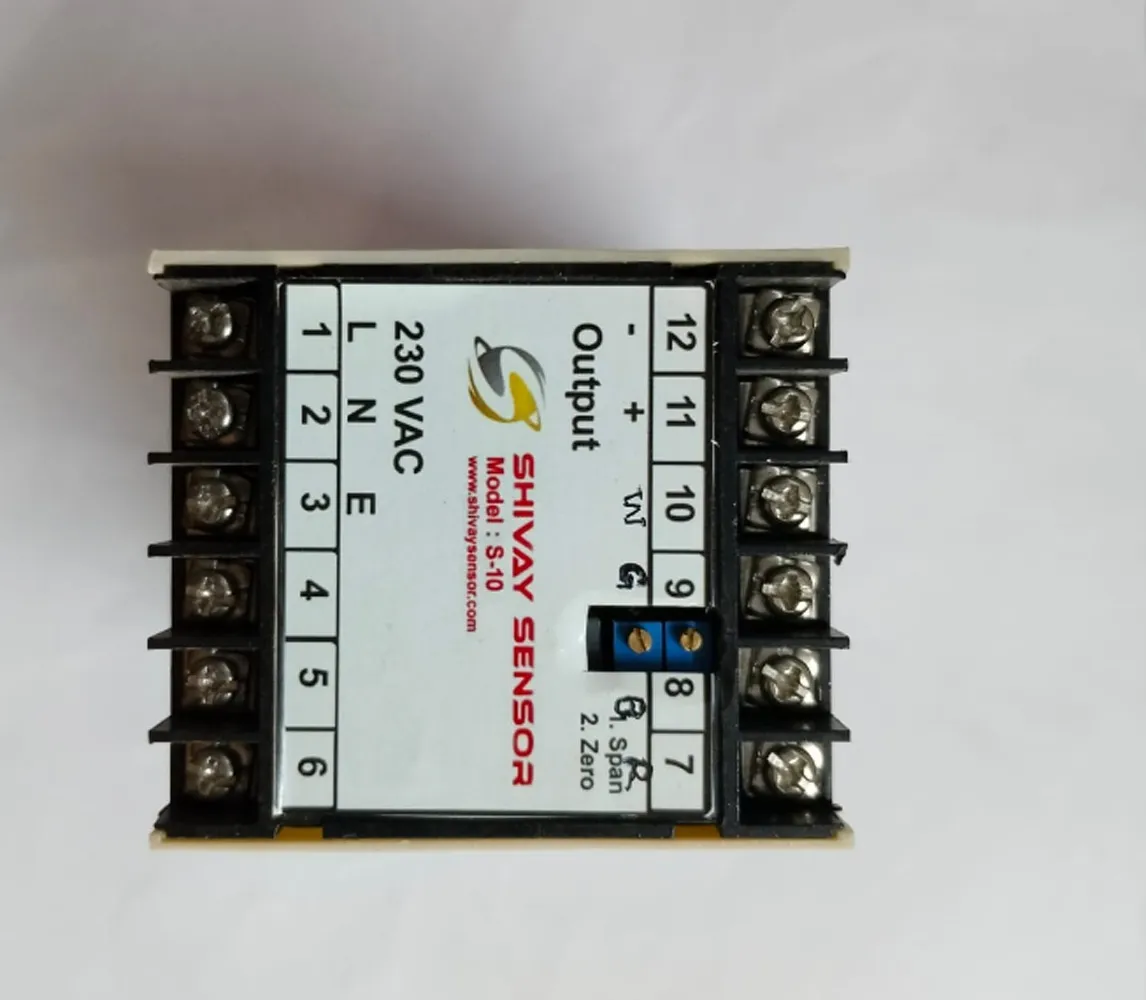
- DIN Rail Mountable Enclosure: Factory floors prioritize space. A compact DIN rail design allows for clean integration inside your existing electrical cabinets.
- Wide Power Input Range: Look for units that run on standard 24V DC industrial power supplies.
- Independent Zero and Span Adjustments: Precision trim potentiometers (or digital push-button calibration) are critical for calibrating your scale on-site to match dead loads and full-scale capacities.
- High Galvanic Isolation: Look for at least 1500V AC isolation between the input, output, and power supply circuits to safeguard your expensive PLC analog cards against unexpected voltage spikes.
Conclusion: Securing Your Signal Chain
Your automated processes are only as dependable as the raw data driving them. Investing in a rugged, isolated load cell amplifier and signal conditioner ensures that harsh factory environments will not compromise your weighing accuracy. For long-distance accuracy, configure your transmitter to 4-20mA. For localized, cabinet-bound setups, a 0-10V output will get the job done cleanly.
#IndustrialAutomation
#ProcessControl
#PLC
#Instrumentation
#SignalConditioning
#FactoryAutomation
#ElectricalEngineering
#LoadCell
#LoadCellAmplifier
#WeightTransmitter
#IndustrialWeighing
#StrainGauge
#4to20mA
#AutomationEngineering
Keywords