Load Cell Manufacturers in India
Choosing the Right Load Cell Manufacturer: A Guide to Precision and Reliability
When it comes to weighing and force measurement, load cells are the unsung heroes of countless industries. From the scales at your local grocery store to the complex machinery that builds skyscrapers, these tiny, yet powerful devices provide the data that ensures accuracy, safety, and efficiency. But with a market full of options, how do you choose the right load cell manufacturer? This guide will walk you through the key factors to consider, helping you make an informed decision that guarantees the precision and reliability your application demands.
What is a Load Cell?
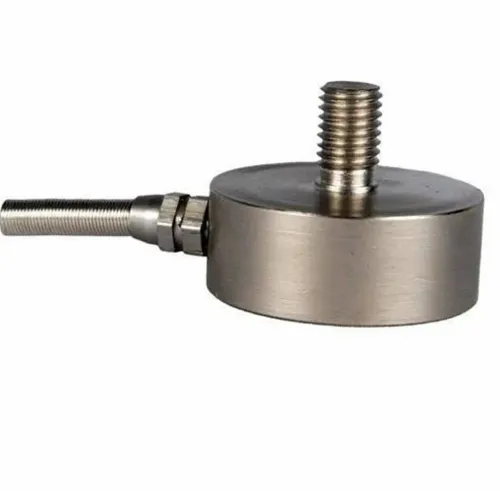
Before we dive into the manufacturers, it's crucial to understand what a load cell is and how it works. At its core, a load cell is a transducer that converts a force, such as weight or tension, into an electrical signal. This conversion is achieved using strain gauges, which are tiny, highly sensitive resistors bonded to a flexible metal element. When a force is applied, the element deforms slightly, causing the strain gauges to stretch or compress. This change in shape alters their electrical resistance, and this change is then measured and converted into a proportional output voltage. This voltage can then be interpreted by a controller or display to provide a reading of the applied force. The accuracy of this reading is paramount, which is why selecting a reputable load cell manufacturer is so important.
The Importance of Quality and Precision
In many applications, even a slight inaccuracy can have significant consequences. Think of a pharmaceutical company measuring ingredients for a life-saving drug, or a civil engineer monitoring the structural integrity of a bridge. In these scenarios, there's no room for error. A high-quality load cell manufacturer invests heavily in research, development, and stringent quality control. They use high-grade materials, employ advanced manufacturing techniques, and meticulously test each load cell to ensure it meets or exceeds industry standards. This commitment to quality translates directly to the reliability and longevity of their products.
Key Factors to Consider When Selecting a Load Cell Manufacturer
Choosing the right load cell manufacturer isn't just about finding the cheapest option. It's about finding a partner who understands your specific needs and can deliver a solution that is both reliable and cost-effective in the long run. Here are some critical factors to evaluate:
- Experience and Reputation: Look for a manufacturer with a proven track record. How long have they been in business? Do they have a good reputation in the industry? Are their products used by well-known companies? A company with a long history and a strong reputation is more likely to be stable, knowledgeable, and reliable. They've had time to refine their processes, perfect their designs, and build a base of satisfied customers.
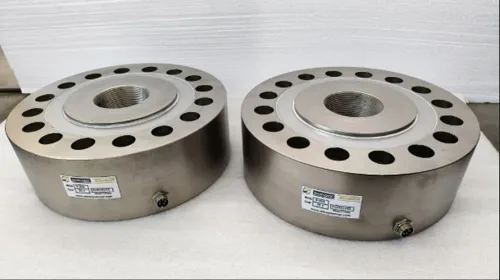
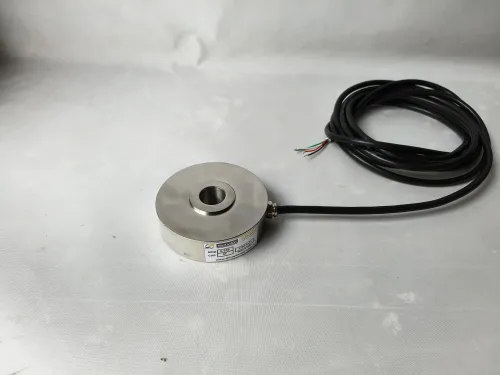
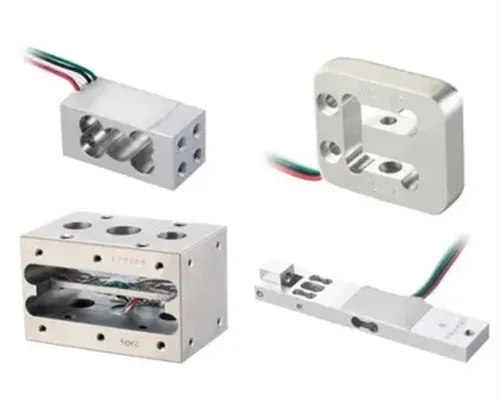
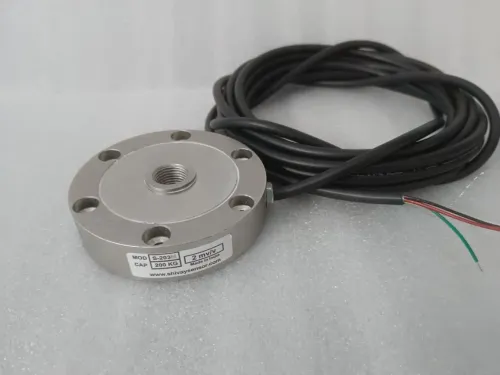
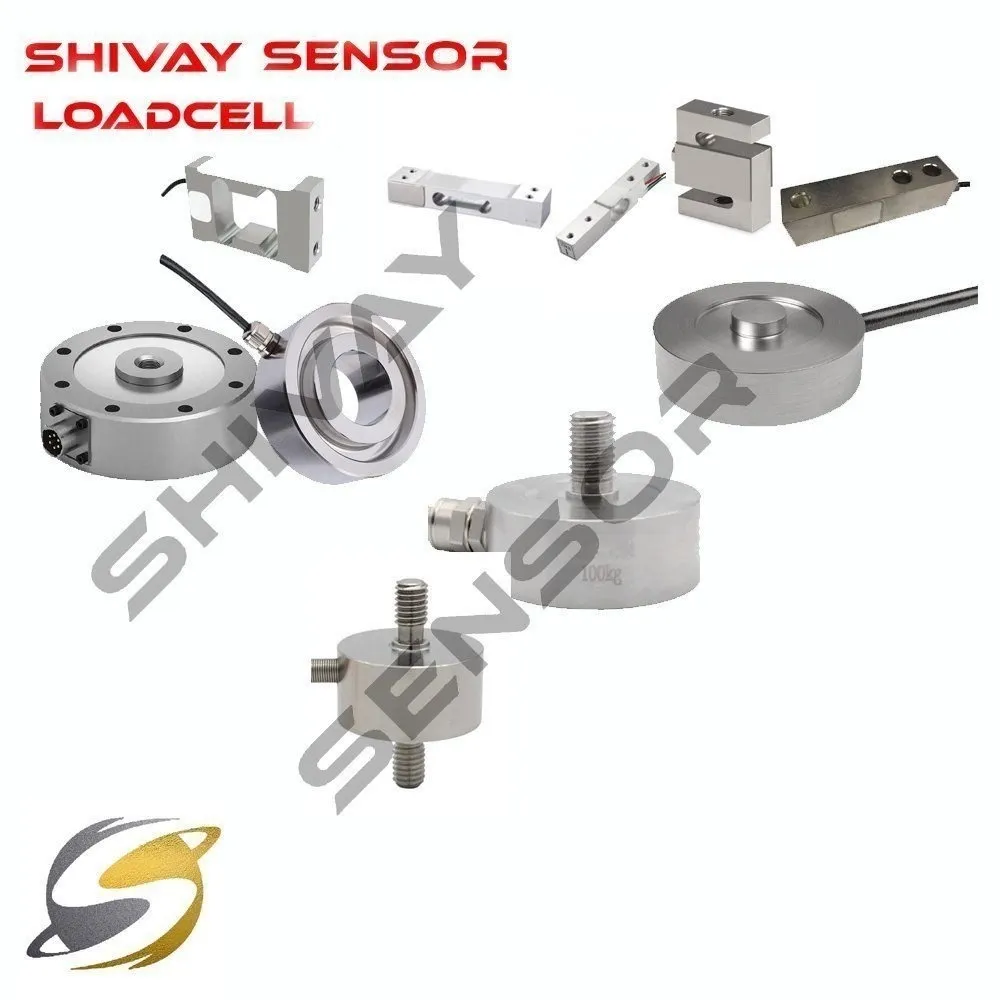
- Product Range and Customization: Your application may require a specific type of load cell, whether it's a single-point, S-type, beam, or compression load cell. A good manufacturer will offer a wide range of products to suit various needs. Furthermore, for specialized or unique applications, the ability to customize a load cell's design, materials, or features is a huge advantage. A manufacturer who can work with you to create a bespoke solution can save you time, money, and headaches down the road.
- Certifications and Standards: Certifications like ISO 9001 and NTEP (for legal-for-trade applications) are non-negotiable. These certifications demonstrate a manufacturer's commitment to quality management systems and adherence to strict regulatory standards. When you see these seals of approval, you can be confident that the load cells have been manufactured and tested according to internationally recognized protocols.
- Technical Support and Customer Service: This is a factor that is often overlooked but is incredibly important. Do they offer pre-sales support to help you select the right product? What about post-sales support if you run into an issue during installation or operation? A manufacturer that provides excellent technical support can be the difference between a smooth integration and a frustrating, costly delay. Look for a company with knowledgeable engineers who can answer your questions and provide expert guidance.
- Durability and Environmental Protection: Load cells are often used in harsh environments, exposed to moisture, dust, extreme temperatures, or corrosive chemicals. The ingress protection (IP) rating is a crucial indicator of a load cell's ability to withstand these conditions. An IP67 rating, for example, means the load cell is dust-tight and can be submerged in water. Make sure the load cell you choose has the appropriate IP rating for your application. The materials used in construction, such as stainless steel, also play a significant role in durability and resistance to corrosion.
- Cost vs. Value: While price is always a consideration, it shouldn't be the only one. A cheaper load cell might seem like a good deal initially, but if it fails prematurely or provides inaccurate readings, the costs of replacement, downtime, and potential safety risks will quickly outweigh the initial savings. Think about the total cost of ownership, which includes not just the purchase price but also the cost of installation, maintenance, and potential failures. A high-quality load cell from a reputable manufacturer offers better value in the long run due to its reliability and longevity.
The Future of Load Cell Technology
The field of load cells is constantly evolving. Modern load cells often come equipped with digital outputs, which can reduce signal noise and simplify integration with other digital systems. Some manufacturers are also exploring wireless load cells, which can be a game-changer for applications where running cables is difficult or impractical. As technology advances, the line between a load cell and a smart sensor is blurring, with new products offering built-in processing capabilities and connectivity. When choosing a load cell manufacturer, it's worth asking about their commitment to innovation and their roadmap for future products. This can ensure you're investing in technology that won't become obsolete in a few years.
Conclusion
Choosing the right load cell manufacturer is a decision that impacts the accuracy, safety, and efficiency of your operations. It's an investment in precision and reliability. By carefully considering factors like reputation, product range, certifications, and technical support, you can find a partner who will provide not just a product, but a long-term solution. Don't compromise on quality, because when it comes to force and weight measurement, accuracy is everything.
We are also supply in Andhra Pradesh, Arunachal Pradesh, Assam, Bihar, Chhattisgarh, Goa, Gujarat, Haryana, Himachal Pradesh, Jharkhand, Karnataka, Kerala, Madhya Pradesh, Maharashtra, Manipur, Meghalaya, Mizoram, Nagaland, Odisha, Punjab, Rajasthan, Sikkim, Tamil Nadu, Telangana, Tripura, Uttar Pradesh, Uttarakhand, and West Bengal.
Keywords