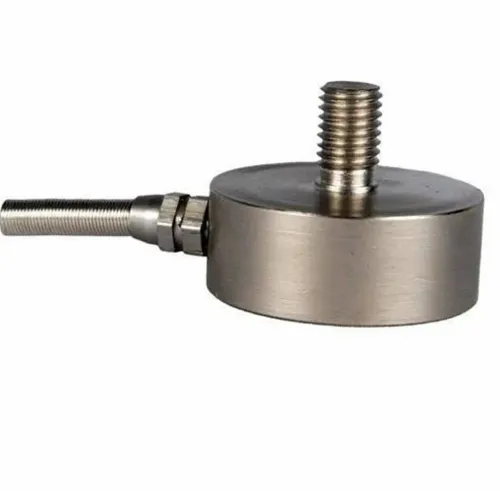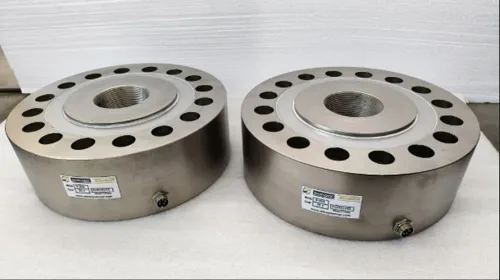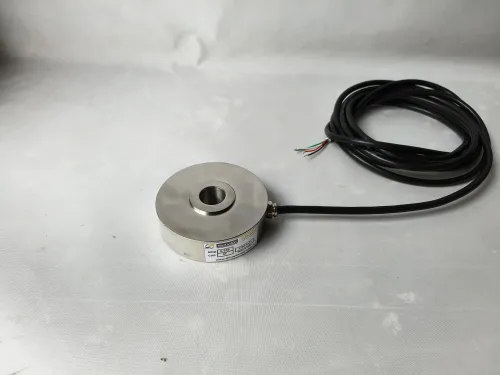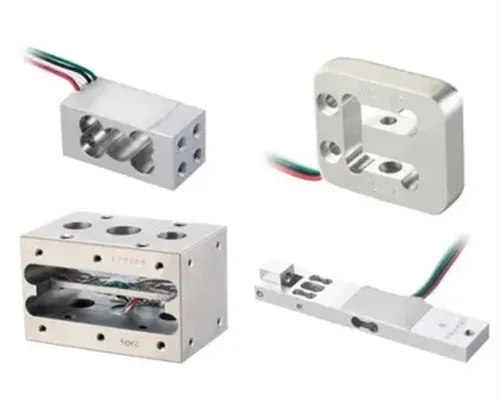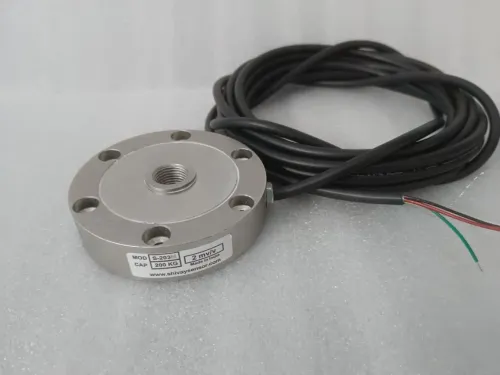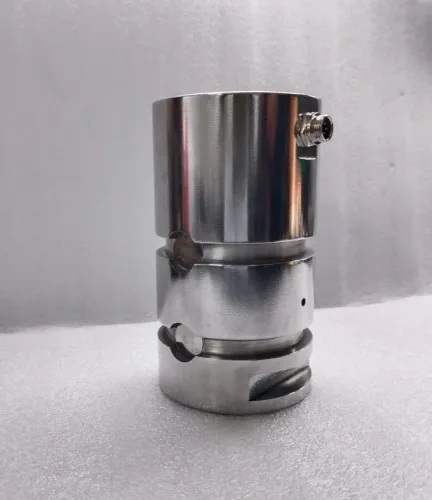
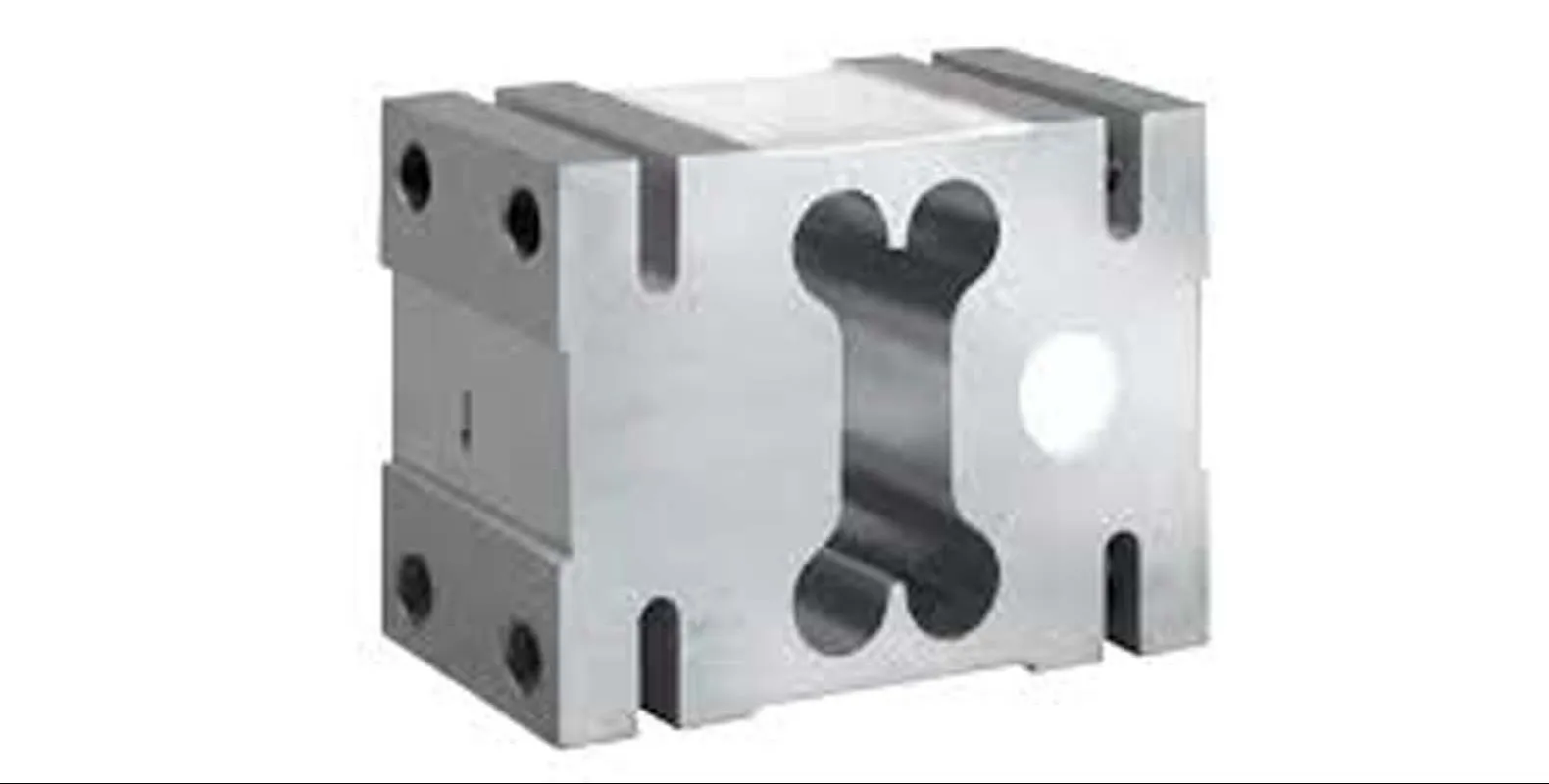
In the world of industrial measurement, precision is paramount. Every gram, every Newton, counts. Yet, real-world applications are rarely perfectly aligned. Components shift, forces are distributed unevenly, and the ideal 'center' often proves elusive. This is where the unsung hero of many weighing and force measurement systems steps in: the off-centre load cell. Designed specifically to provide accurate readings even when the applied load is not perfectly centered, the off-centre load cell is a critical component in countless industries, from retail scales to complex industrial automation.
Unlike traditional load cells that are highly sensitive to the exact point of load application, the off-centre load cell is engineered with an internal structure and strain gauge configuration that compensates for eccentric loading. Imagine a simple platform scale: if you place an item at one corner, a standard load cell might give an inaccurate reading. However, an off-centre load cell within that same scale is designed to provide the same accurate weight regardless of where the item is placed on the platform, within its specified limits. This remarkable capability is achieved through a meticulous arrangement of strain gauges and often, a robust, single-point design that distributes the load effectively across its sensing elements.
The benefits of utilizing an off-centre load cell are numerous and directly impact the efficiency and reliability of a system. Firstly, it simplifies mechanical design. Engineers don't need to over-engineer elaborate loading mechanisms to ensure perfect center-point application, which can save significant time and cost in manufacturing and assembly. Secondly, it drastically improves measurement repeatability and accuracy in dynamic or variable loading scenarios. Think of a conveyor belt weighing system where items are not always perfectly centered on the weighbridge; an off-centre load cell ensures consistent and reliable weight data. This is particularly crucial in applications requiring high throughput and stringent quality control.
Common applications for off-centre load cells are incredibly diverse. They are the backbone of many commercial weighing scales found in supermarkets, ensuring customers pay the correct price for their produce, regardless of where it sits on the tray. In the industrial sector, they are indispensable for tank weighing, platform scales, packaging machinery, and even force measurement in robotics where precise, yet often eccentric, forces need to be monitored. Their ability to handle distributed loads without compromising accuracy makes them ideal for systems where the load point cannot be precisely controlled or maintained.
In conclusion, while often overlooked, the off-centre load cell is a testament to clever engineering that addresses real-world challenges. Its ability to provide consistent and accurate measurements despite off-center loading makes it an essential component in ensuring precision and reliability across a vast spectrum of industries. Understanding its capabilities and applications is key to designing robust and efficient weighing and force measurement systems that stand the test of time and real-world imperfections.
Keywords