1. The Mighty Inline Load Cell: A Header's Best Friend 👷♂️
In the world of structural engineering, precision is everything. That's where the inline load cell comes in. Installed directly within a header, this compact sensor is crucial for monitoring tension and compression forces in real-time. By providing continuous, accurate data, an inline load cell helps engineers ensure that a structure is performing as intended and isn't being subjected to damaging stresses. This isn't just about efficiency; it's about safety. The reliable data from an inline load cell can prevent catastrophic failures, making it a truly indispensable tool.
2. Monitoring Structural Integrity with an Inline Load Cell 🛠️
Headers in large structures, like bridges or buildings, are constantly under stress from various factors. An inline load cell provides the precise data needed to understand these forces. This type of load cell is specifically designed to be integrated into the load path, making it perfect for applications that require direct force measurement. By measuring tension and compression, an inline load cell can detect subtle changes that might indicate a problem. This proactive monitoring approach ensures structural integrity and extends the lifespan of critical components.
3. Why Every Header Needs an Inline Load Cell 🔍
Headers are often the unsung heroes of a structure, bearing significant loads without complaint. But how do you know they're not being overloaded? An inline load cell offers the answer. This compact and robust sensor is built to withstand harsh environments and provides a constant stream of data on the forces at play. This inline load cell is a vital part of predictive maintenance programs, allowing engineers to identify potential issues before they become serious. When it comes to safety and reliability, trusting an inline load cell is a smart choice.
4. Precision and Performance: The Inline Load Cell Advantage 🚀
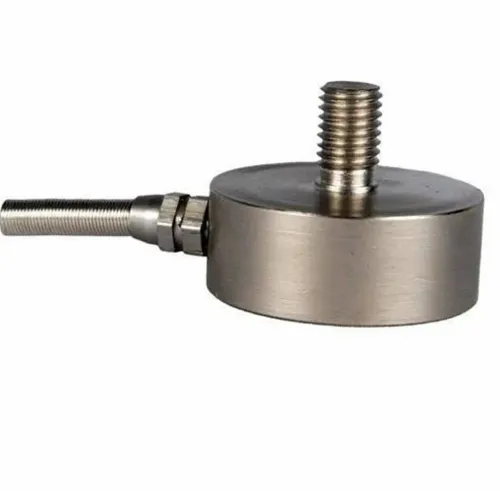
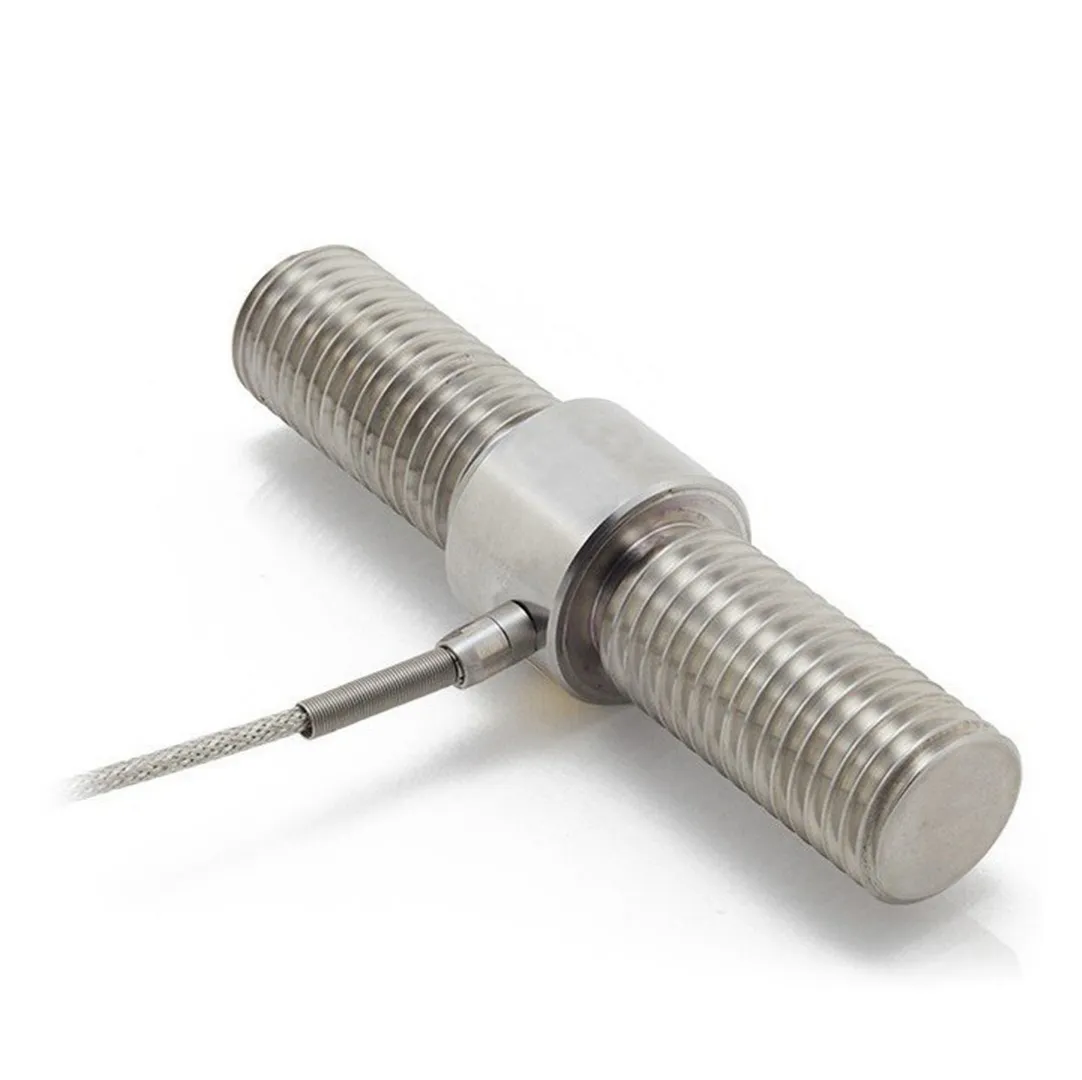
When a header is under a heavy load, it's subjected to forces that can compromise its performance. An inline load cell is designed to measure these forces with exceptional accuracy. Its male threads and cylindrical shape allow it to be easily installed directly into the load path, ensuring a direct and precise measurement of tension or compression. This high-performance inline load cell offers more than just data; it provides peace of mind. Knowing the exact forces on a header allows for better resource management and safer operations.
5. The Science of Safety: An Inline Load Cell in Action 📊
How do you know a header is secure? You measure the forces on it. An inline load cell uses strain gauge technology to convert mechanical force into a measurable electrical signal. This signal provides real-time information on the stress a header is experiencing. The compact and durable design of an inline load cell makes it an ideal fit for harsh industrial and construction settings. From monitoring a bridge's structural health to ensuring a crane's safety, the data from an inline load cell is foundational to maintaining safety standards.
6. Integrating an Inline Load Cell into Header Systems ⚙️
A key benefit of the inline load cell is its seamless integration. Designed with male threads on both ends, it can be easily installed directly into a header's support rods or cables. This allows for a clean and efficient setup without the need for complex mounting hardware. Once in place, the inline load cell becomes an essential part of the system, providing continuous data for monitoring. This simple installation and powerful functionality make the inline load cell a preferred choice for engineers in a wide range of applications.
7. Protecting Your Investment with an Inline Load Cell 🛡️
Your structural headers are a significant investment. Protecting them from damage requires constant vigilance. An inline load cell provides this by monitoring the forces they are subjected to. This type of load cell gives you a clear picture of how your header is performing, identifying overloads or inconsistencies that could lead to costly repairs or even failure. An inline load cell is an affordable and effective way to safeguard your assets, ensuring they remain operational and safe for years to come.
8. Beyond Weighing: The Versatility of the Inline Load Cell 💡
While many load cells are used for simple weighing, the inline load cell offers much more. Its primary purpose is to measure tension and compression forces, making it perfect for dynamic and static applications in header systems. This inline load cell can be used in material testing, robotics, and industrial automation to ensure precise force control. The versatility of an inline load cell makes it an invaluable sensor for anyone who needs to measure force accurately in a confined space.
9. Mini but Mighty: The Miniature Inline Load Cell 💪
Sometimes, space is a critical constraint. That's where the miniature inline load cell shines.
Keywords