The Precision Behind Every Roll: A Guide to Web Tension Load Cells
In today's fast-paced industrial world, controlling material tension is critical for quality and efficiency. Whether you're in printing, textiles, or converting, the web tension load cell is a fundamental tool for achieving perfection. But what exactly is a web tension load cell, and why is it so vital?
What is a Web Tension Load Cell?
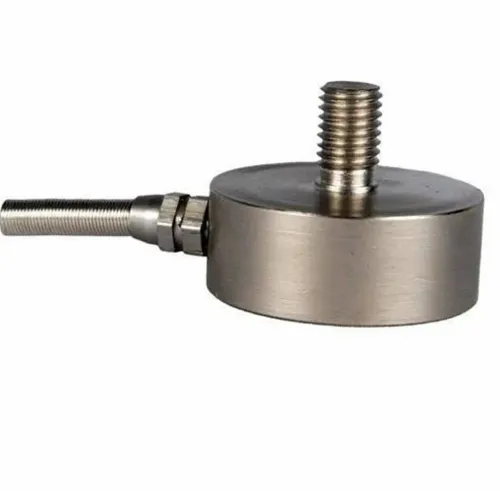
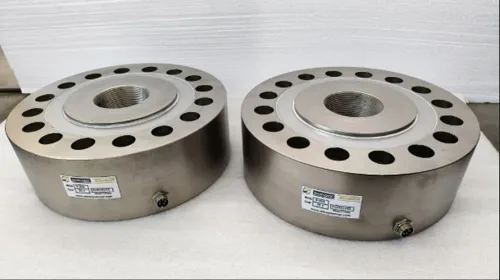
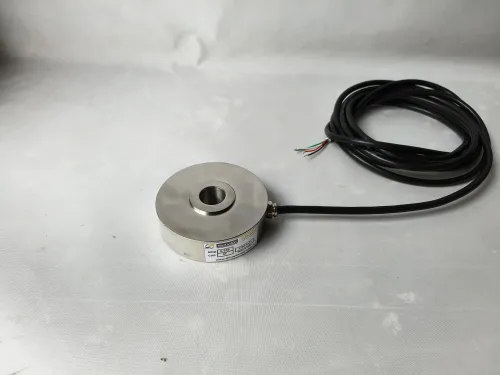
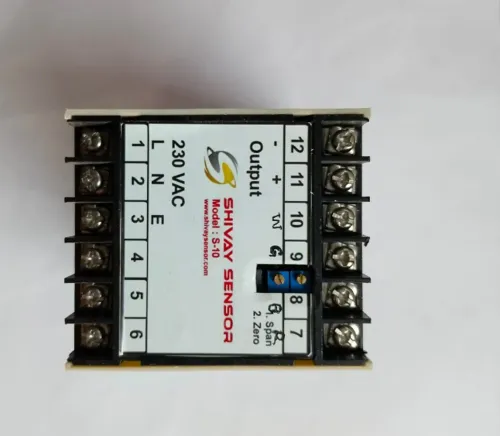
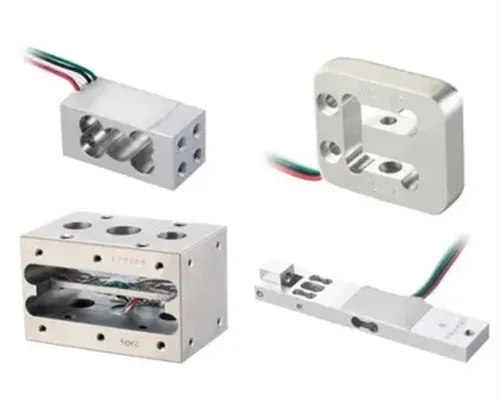
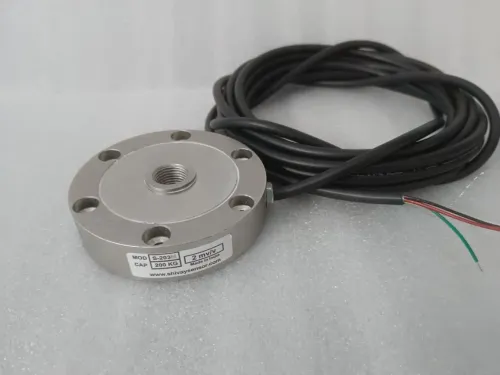
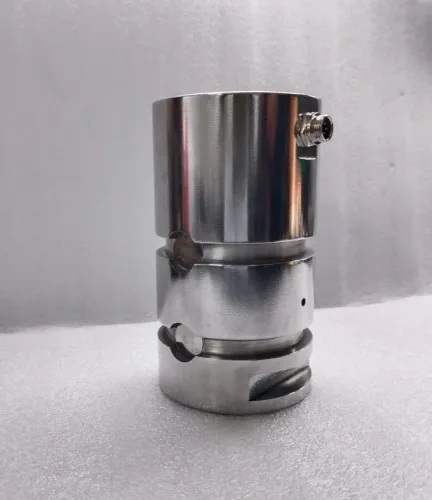
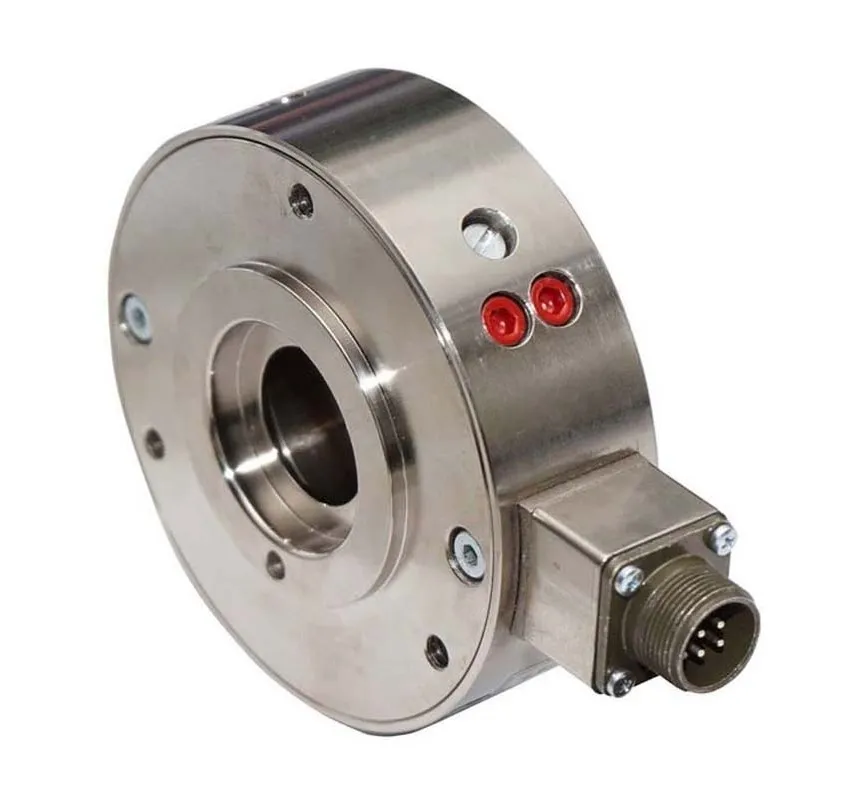
A web tension load cell is a specialized sensor designed to measure the tension on a moving web of material, such as paper, film, foil, or fabric. These devices are typically installed as a part of a tension control system, where they provide real-time feedback to a controller. The controller then adjusts the torque of a motor or brake to maintain a constant, desired tension.
The magic of these sensors lies in their ability to translate mechanical force into an electrical signal. A load cell is essentially a force transducer. Inside, it contains a strain gauge—a small, flexible resistor. When the web pulls on the roller, it deflects the load cell, causing the strain gauge to deform. This deformation changes the resistance of the strain gauge, which is then measured and converted into a voltage signal proportional to the applied force. This signal is the key to maintaining precise control over the web tension.
Why is Web Tension Control Important?
Without proper tension control, a seemingly simple process can quickly go awry. Inconsistent tension can lead to a host of problems:
- Wrinkles and Tears: Too much tension can cause the material to tear, while too little can lead to wrinkles, folds, and misregistration, especially in multi-color printing.
- Wasted Material: Poor tension control results in scrapped material, increasing production costs and environmental waste.
- Poor Product Quality: The final product can be compromised. For example, in flexible packaging, inconsistent tension can affect the seal integrity, leading to product spoilage.
- Equipment Damage: Sudden tension spikes can damage machinery, causing expensive downtime and repairs.
By using a reliable web tension load cell, manufacturers can prevent these issues, ensuring smooth, uninterrupted production and a high-quality end product.
Key Features to Look for
When selecting a load cell for your application, consider these key features:
- Sensitivity and Accuracy: A good load cell should be highly sensitive to small changes in tension and provide accurate, repeatable measurements.
- Robust Construction: The industrial environment can be harsh. Look for a device with a rugged design that can withstand vibrations, dust, and temperature fluctuations.
- Overload Protection: Accidental tension spikes can occur. Overload protection is a critical feature that prevents the load cell from being damaged.
- Ease of Installation: A user-friendly design with simple mounting options can save valuable time during setup and maintenance.
The Role of the Manufacturer
As a web tension load cell Manufacturer, our goal is to provide reliable, high-performance solutions that help you achieve your production goals. We understand that every application is unique, from delicate film winding to heavy-duty steel slitting. By offering a range of load cells with various capacities and mounting styles, we ensure you can find the perfect fit for your specific needs. Our commitment to innovation and quality means you get a product that not only works flawlessly but also lasts.
Keywords