Blog 1: Unveiling the Pancake Load Cell
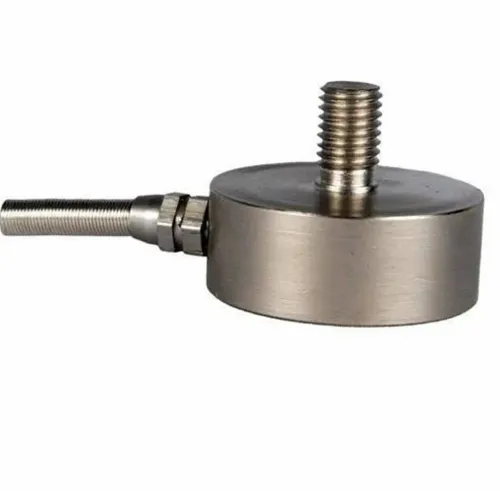
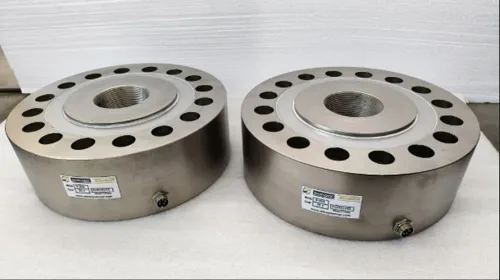
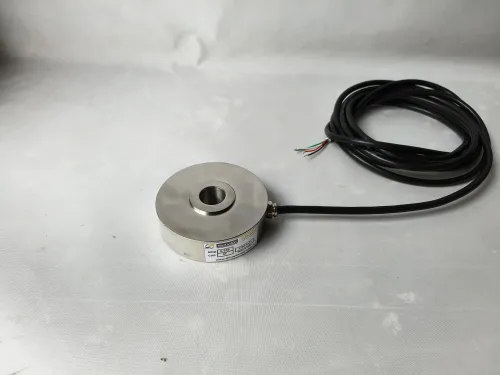
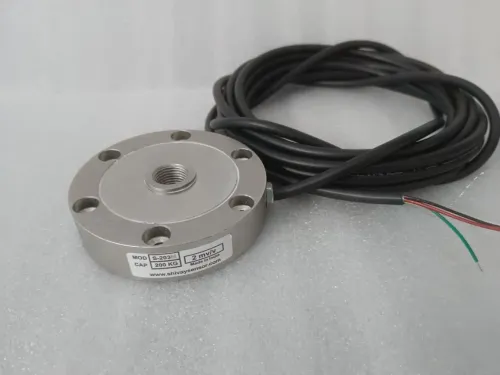
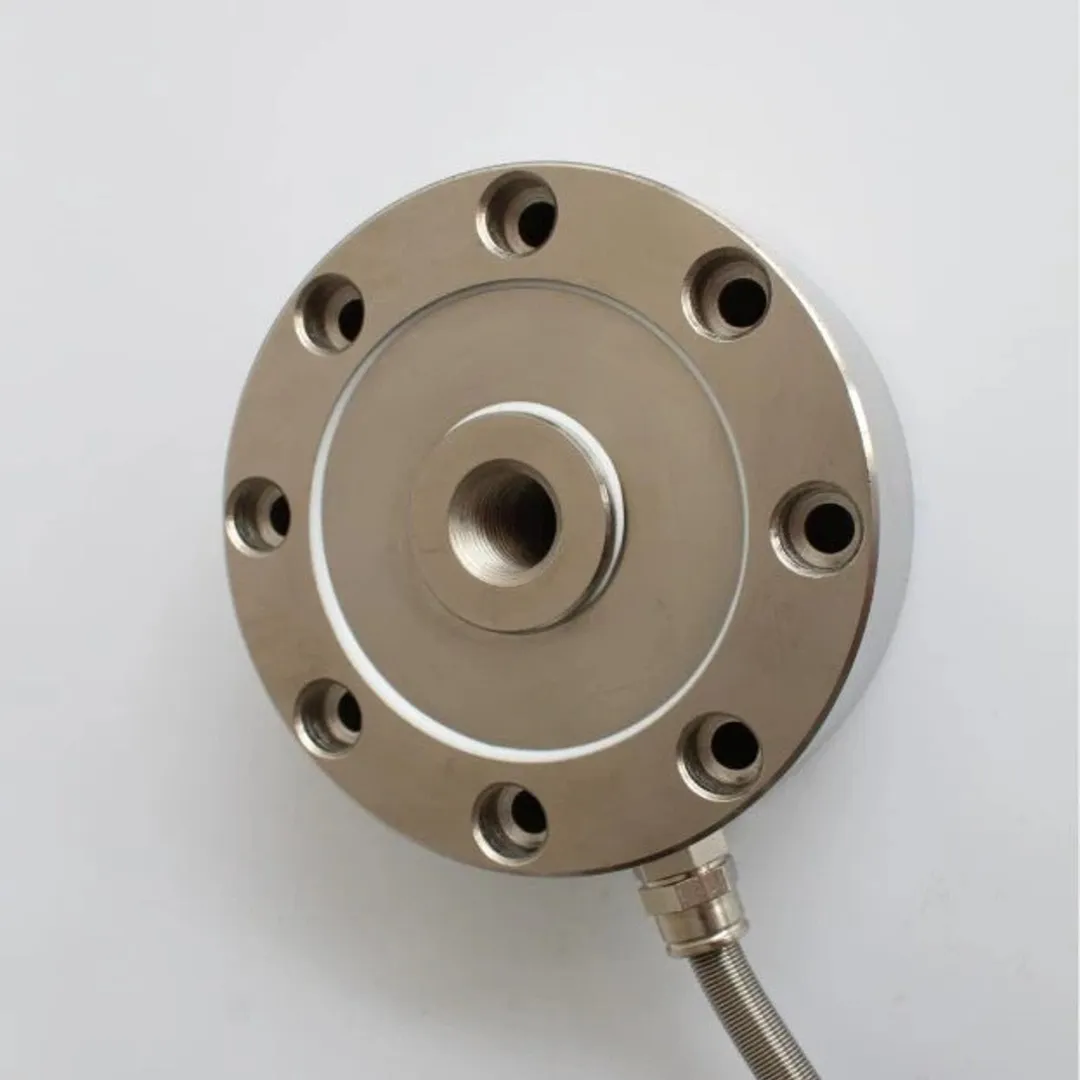
The Pancake Load Cell is a compact and versatile force measurement solution. Its low-profile design, resembling a pancake, makes it ideal for applications with limited space. This type of load cell, also known as a low-profile load cell, is widely used in various industries for tasks such as weighing, tension, and compression testing. The Pancake Load Cell offers high accuracy and stiffness, ensuring reliable and repeatable measurements. Its robust construction makes it suitable for harsh industrial environments. Whether you're in manufacturing, aerospace, or research, the Pancake Load Cell provides a reliable and precise way to measure force.
Blog 2: The Advantages of a Pancake Load Cell
Choosing a Pancake Load Cell brings several key advantages to the table. Its low-profile form factor is a major benefit, allowing for seamless integration into existing machinery without significant modifications. The high stiffness of the Pancake Load Cell minimizes deflection under load, which translates to superior measurement accuracy. This makes it an excellent choice for dynamic applications where quick and precise readings are essential. Furthermore, the Pancake Load Cell's robust construction ensures durability and a long operational lifespan, making it a cost-effective solution for many industrial and research needs.
Blog 3: Where to Use a Pancake Load Cell
The applications for a Pancake Load Cell are incredibly diverse. You can find them in manufacturing for press-fit monitoring, in aerospace for testing components, and in medical equipment for patient weighing systems. The Pancake Load Cell is also a staple in research and development, where precise force measurements are crucial for validating theories and designs. Its ability to measure both tension and compression, combined with its compact size, makes the Pancake Load Cell a go-to choice for a wide range of force-sensing tasks, from simple weighing to complex material testing.
Blog 4: How a Pancake Load Cell Works
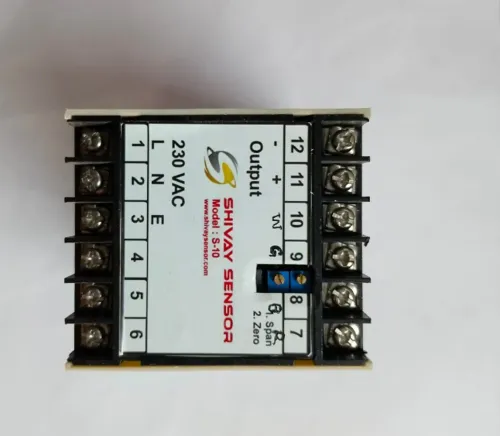
At its core, a Pancake Load Cell operates on the principle of strain gauges. When a force is applied to the load cell, the internal material deforms slightly. This deformation is measured by strain gauges strategically placed within the Pancake Load Cell. The strain gauges change their electrical resistance in proportion to the applied force. This change in resistance is then converted into a usable electrical signal, which can be interpreted by a controller or display. This simple yet effective mechanism is what allows the Pancake Load Cell to provide such accurate and reliable force measurements.
Blog 5: Choosing the Right Pancake Load Cell
Selecting the correct Pancake Load Cell for your specific needs is crucial. You'll need to consider factors such as the required capacity, the type of force (tension, compression, or both), and the environmental conditions it will operate in. A Pancake Load Cell with a higher capacity might be overkill for a low-force application, while one with too low a capacity could be damaged. Additionally, consider the required accuracy and any specific certifications needed. By carefully evaluating these factors, you can ensure you choose a Pancake Load Cell that is perfectly suited for your application, providing reliable and accurate data for years to come.
Blog 6: Pancake Load Cell vs. Other Load Cells
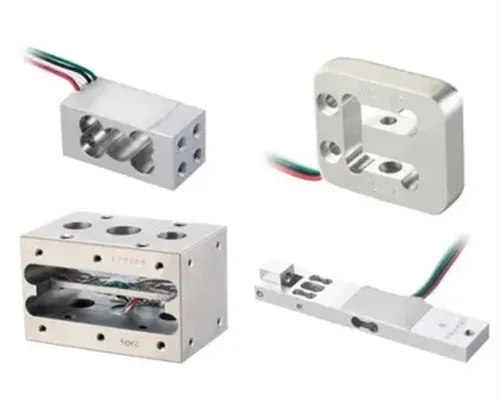
While many types of load cells exist, the Pancake Load Cell stands out for its unique combination of features. Unlike beam or S-type load cells, its low-profile design is its defining characteristic, making it perfect for space-constrained applications. The Pancake Load Cell is often preferred for applications requiring both tension and compression measurement due to its symmetrical design. Its high stiffness and robust construction also give it an edge in demanding industrial environments where other load cell types might be less suitable. The Pancake Load Cell is a specialized tool for specific jobs, offering a unique blend of form and function.
Blog 7: Maintaining Your Pancake Load Cell
Proper maintenance is key to ensuring the longevity and accuracy of your Pancake Load Cell. Regular inspections for any signs of physical damage or corrosion are essential. It's also important to ensure the load cell is correctly mounted and that the loading is applied evenly to avoid off-center forces, which can affect accuracy and potentially damage the unit. Routine calibration is another critical step. Over time, all sensors can drift, so recalibrating your Pancake Load Cell ensures it continues to provide precise and trustworthy data. A well-maintained Pancake Load Cell will be a reliable workhorse for many years.
Keywords