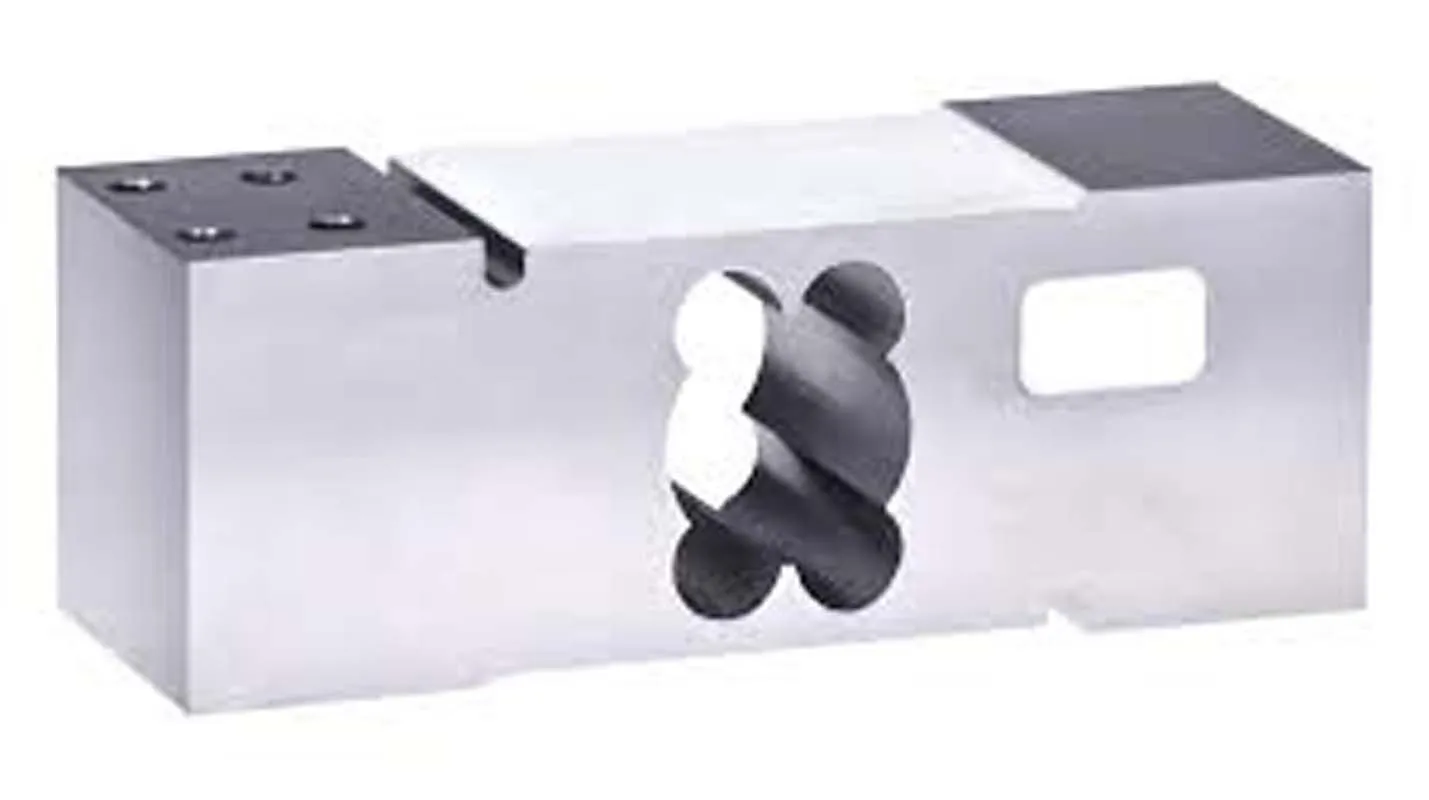
In the world of industrial measurement and control, certain components work tirelessly behind the scenes, ensuring accuracy and reliability. Among these, the aluminium load cell stands out as a true workhorse, offering a remarkable blend of precision, durability, and versatility. If your application demands accurate force measurement in a compact and robust package, understanding the benefits of an aluminium load cell is crucial.
What Makes Aluminium the Material of Choice?
Aluminium, particularly high-grade alloys, possesses several inherent advantages that make it ideal for load cell construction:
- Excellent Strength-to-Weight Ratio: Aluminium is significantly lighter than steel, which can be a critical factor in applications where overall weight is a concern. Despite its lightness, it offers impressive structural integrity.
- Corrosion Resistance: Unlike some other metals, aluminium naturally forms a protective oxide layer, making it highly resistant to corrosion. This is a significant advantage in harsh environments where exposure to moisture or chemicals is likely.
- Good Machinability: Aluminium is relatively easy to machine, allowing for the creation of intricate and precise load cell designs, which is essential for accurate force measurement.
- Thermal Stability: While all materials are affected by temperature changes, aluminium exhibits good thermal stability, contributing to more consistent readings across varying temperatures.
The Power of Precision: Understanding the Low Profile Load Cell
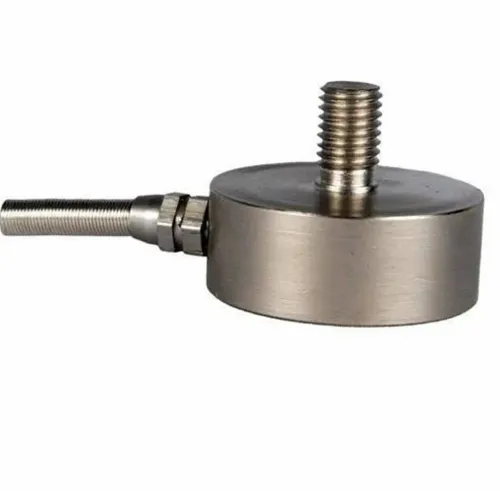
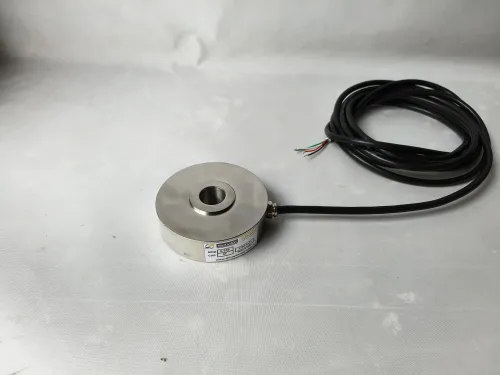
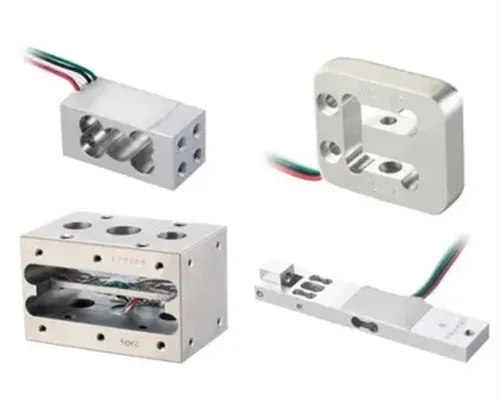
When space is at a premium, the low profile load cell comes to the forefront. These compact force sensors are specifically designed to fit into tight installations where traditional load cells might be too bulky. The inherent properties of aluminium make it an excellent material for crafting these slender yet powerful devices.
Imagine applications in robotics, medical devices, or even advanced manufacturing where every millimeter counts. A low profile load cell made from aluminium can provide the necessary accuracy without compromising on the design's footprint. This is particularly beneficial in:
- Weighing Scales with Limited Space: From laboratory balances to retail scales, the compact nature allows for sleeker designs.
- Industrial Automation: Integrating force feedback into robotic arms or automated assembly lines often requires miniature sensors.
- Medical Devices: Precision and small form factor are paramount in many diagnostic and treatment instruments.
Why Choose an Aluminium Low Profile Load Cell for Your Needs?
Combining the benefits of aluminium with a low-profile design creates a superior force measurement solution. You get:
- High Accuracy: Aluminium's excellent elastic properties ensure repeatable and precise measurements.
- Compact Design: Ideal for integration into space-constrained applications.
- Durability: Resilient to various environmental conditions thanks to aluminium's inherent properties.
- Cost-Effectiveness: Often more economical to produce than their steel counterparts without sacrificing performance.
In conclusion, when searching for a reliable and precise force measurement solution, consider the often-overlooked benefits of an aluminium load cell, especially the versatile low profile load cell. Their combination of material advantages and compact design makes them an indispensable component in a wide array of demanding applications, ensuring accuracy and efficiency where it matters most.
Keywords