Compression Load Cells for Press, Hopper, and Tank Weighing
Have you ever wondered how massive silos, industrial tanks, or even a public weighbridge accurately determine the weight of colossal loads? The unsung hero in all these scenarios is the compression load cell.
As one of the most vital components in force and weight measurement, the compression load cell is a specialized transducer designed to measure a pushing or squashing force along a single axis. This guide will walk you through exactly what they are, how they work with incredible precision, and where they are indispensable across various industries.
(Keywords Used: Compression Load Cell, Force Measurement, Transducer)
1. What is a Compression Load Cell?
A load cell is a force transducer that converts an applied mechanical force (weight) into a measurable electrical signal. The compression-type, as its name suggests, is specifically designed to handle forces that push down on it.
Unlike a tension load cell (which measures pulling force) or a universal load cell (which measures both), the compression load cell excels in static, high-capacity, and heavy-duty applications. It is typically installed underneath the object or vessel being measured.
2. The Strain Gauge Principle: How They Deliver High-Precision
The exceptional accuracy of modern compression load cells relies on a technology called the strain gauge.
- The Body (Spring Element): The load cell body is made from robust, slightly elastic materials like stainless steel or alloy steel, designed to deform minimally and return to its original shape.
- The Strain Gauges: Tiny electrical resistors (strain gauges) are precisely bonded to the body.
- The Wheatstone Bridge: These gauges are wired into an electrical circuit called a Wheatstone bridge.
- The Measurement: When a compressive load is applied, the load cell body deforms slightly. This minute deformation stretches or compresses the strain gauges, altering their electrical resistance. This change in resistance creates a measurable voltage signal that is directly proportional to the force applied. This voltage is then converted into a readable unit (like kilograms or Newtons) by a digital indicator.
(Keywords Used: Strain Gauge, Force Transducer, Wheatstone Bridge, Electrical Signal)
3. Top Applications Where Compression Load Cells Are Essential
Due to their robust design and capacity for high-accuracy, high-capacity loads, compression force sensors are critical in many sectors. If your application involves placing a heavy object on top of a sensor, a compression cell is likely the solution.
IndustryApplicationWhy Compression is UsedProcess WeighingSilo and Tank WeighingMeasures the inventory of bulk materials, liquids, and powders.LogisticsTruck and Rail WeighbridgesEnforces legal weight limits and manages cargo manifests.Material TestingUniversal Testing MachinesMeasures the compressive strength of materials like concrete or metals.ManufacturingPress-Force MonitoringMeasures the precise force applied by a stamping, molding, or hydraulic press.Aerospace/DefenseThrust MeasurementUsed in test stands to measure the compressive thrust of engines.
Export to Sheets
4. Choosing the Right Compression Load Cell: Key Factors
Selecting the correct compression load cell for your specific needs ensures longevity and accuracy. Consider these factors:
- Capacity: Do you need low-capacity (e.g., 50kg button cells) or a high-capacity (e.g., 100 tonnes) column load cell?
- Design/Form Factor:
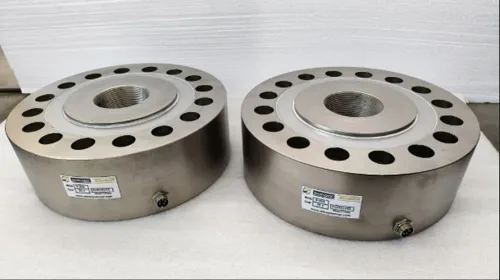
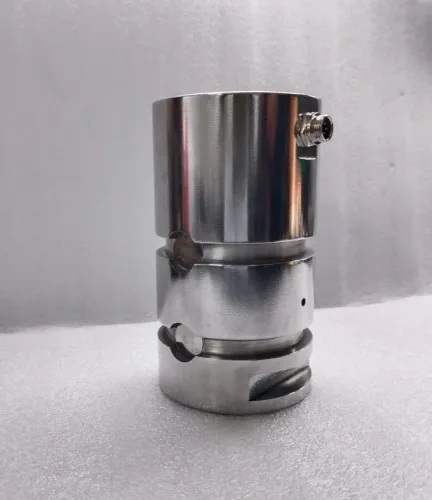
- Canister/Column Load Cells: Ideal for high capacity and weighbridges.
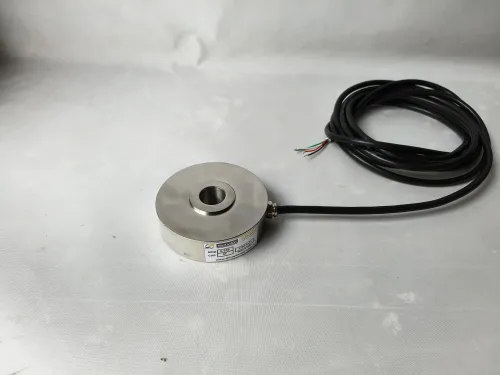
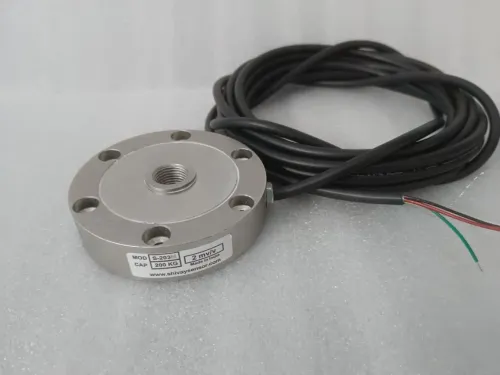
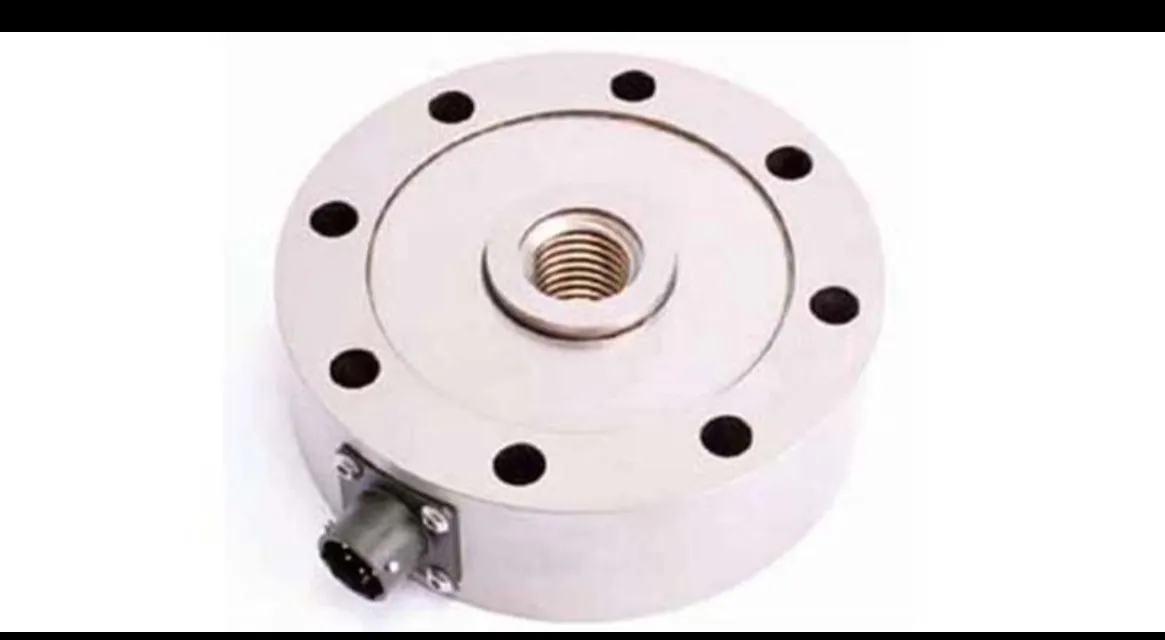
- Low Profile/Pancake Load Cells: Excellent for limited height spaces.
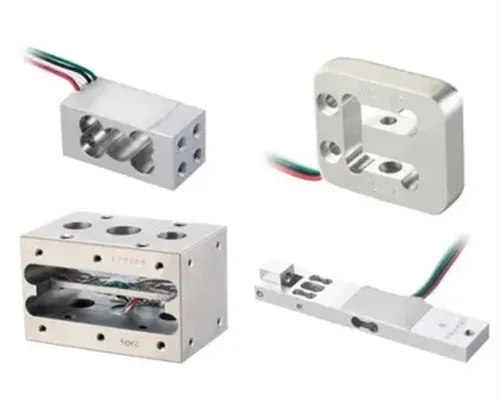
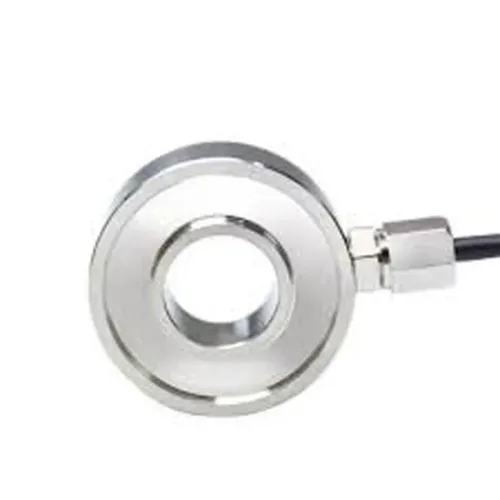
- Button Load Cells: Perfect for miniature, test, and measurement applications.
- Environment: For harsh, washdown, or outdoor use (like a weighbridge), look for a high IP rating (e.g., IP67 or IP68) and construction from hermetically sealed stainless steel.
- Accuracy Class: Ensure the cell meets the required legal metrology standard (e.g., OIML or NTEP) if used for commercial transactions.
Conclusion
The compression load cell remains the gold standard for reliable, high-accuracy force measurement in industrial and commercial environments. Whether you are managing vast inventories in a chemical tank or guaranteeing structural integrity through materials testing, selecting the correct compression force sensor is the first step toward achieving safe, efficient, and compliant operations.
Ready to find the perfect compression load cell for your application?
Explore our range of high-capacity compression load cells and talk to our experts for a personalized recommendation today!
#CompressionLoadCell #LoadCell #ForceMeasurement #WeighingSolutions #ForceSensor #IndustrialWeighing #SiloWeighing #TankWeighing #Weighbridge #MaterialTesting #ProcessControl #HighCapacity #StrainGauge #Transducer #HighAccuracy #SensorTechnologyn #ForceTransducer
Keywords