Subsea & Marine Load Cells | Waterproof Load Pins
Offshore operations operate under some of the most unforgiving physical conditions on Earth. From dynamic swell forces during heavy lifting to hydrostatic pressure thousands of meters below sea level, standard force-measurement equipment quickly fails if it is not engineered specifically for the marine environment.
Marine load cells and waterproof load pins deliver real-time load monitoring, prevent mechanical failure, and protect personnel across maritime, subsea, and offshore industrial operations. This guide explores how these sensors work, where they are deployed, and the critical engineering specifications needed to withstand marine environments.
What Are Subsea Load Cells and Waterproof Load Pins?
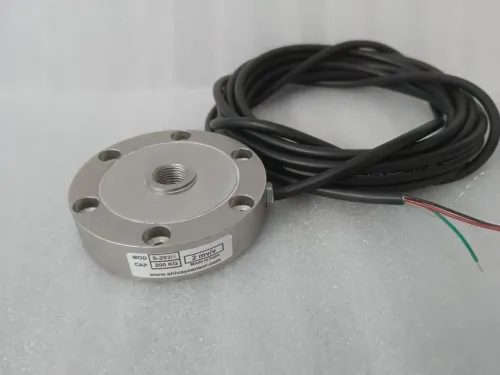
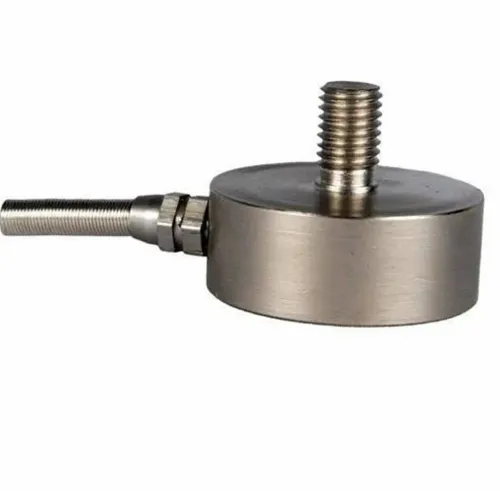
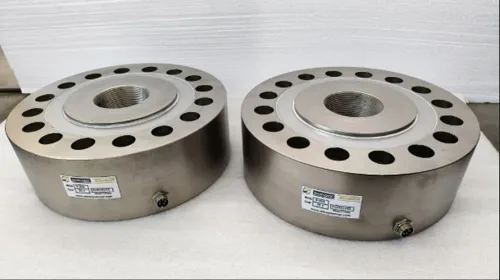
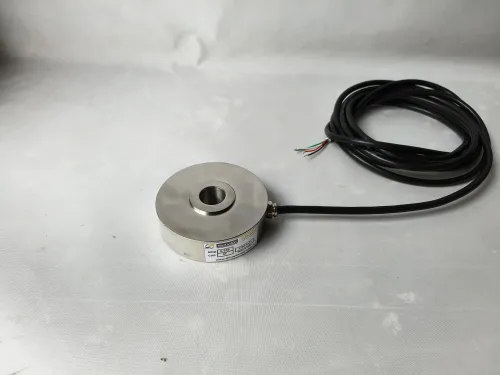
A marine load cell is a force transducer designed to measure tension, compression, or shear forces while resisting continuous exposure to saltwater, salt spray, and extreme weather.
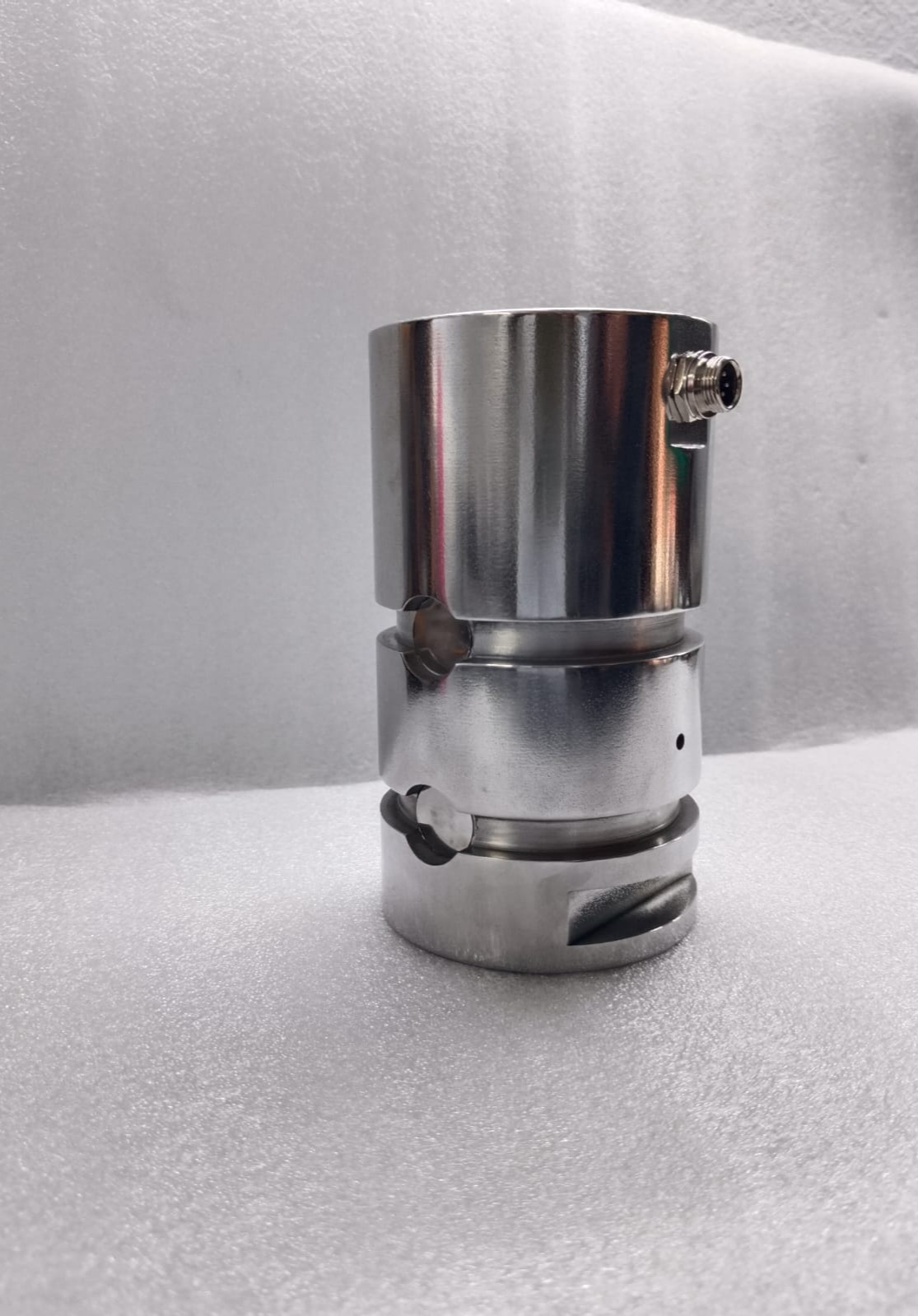
A waterproof load pin is a specialized, cylindrical load cell engineered to replace standard structural clevis pins, sheave pins, or pivot pins. By integrating strain gauges directly into the internal bore of a pin, load pins measure dynamic or static forces directly at the pivot point without requiring modifications to the host machinery.
When deployed underwater, these units are classified as subsea load cells, engineered to endure extreme hydrostatic pressure, deep-sea currents, and seabed silt.
Common Marine and Subsea Applications
Marine load-monitoring systems are critical across both topside (deck) and seabed operations:
ApplicationPrimary Sensor UsedKey Operational ChallengeMooring Line & Anchor TensioningLoad Measuring Shackles / Tension LinksContinuous wave motion, cyclic fatigue, saltwater corrosionOffshore Cranes & WinchesWaterproof Load Pins (Sheave / Clevis)Overload prevention, dynamic lifting shock loadsROV & AUV Tether ManagementSubsea Tension CellsHigh ambient hydrostatic pressure, umbilical cable protectionTowing & Pipelay OperationsRunning Line Tensiometers / Load PinsFriction, fluctuating line tensions, continuous movementSubsea Template InstallationDeep-Sea Compression / Tension CellsZero-maintenance seabed deployment, extreme water depth
Key Engineering Features of Marine-Grade Load Cells
To survive years at sea without signal drift or water ingress, marine load cells require specific design criteria:
1. Ingress Protection (IP68 & Subsea Sealing)
Standard weatherproofing (IP66/IP67) is insufficient for submerged or heavy washdown environments:
- IP68 Rating: Certified for continuous submersion in water under specified pressure conditions.
- Hermetic Laser Welding: Strain gauge chambers are fully sealed via electron-beam or laser welding rather than mechanical O-rings, preventing moisture intrusion.
- Glass-to-Metal Headers & Subsea Connectors: Prevent water travel through cable jackets via wet-mateable or dry-mateable subsea connectors (e.g., SubConn-style connectors).
2. Corrosion-Resistant Alloys
Seawater promotes rapid galvanic and pitting corrosion. High-performance subsea load cells are manufactured from:
- 17-4 PH Stainless Steel: Common for topside and splash-zone hardware, offering high yield strength.
- 316L Stainless Steel: High resistance to chloride pitting.
- Super Duplex (e.g., UNS S32750 / 2507): Exceptional yield strength and resistance to stress corrosion cracking in deep-sea installations.
- Inconel 718: Used in mission-critical, sour-gas (H2S), or deep-water deployments where zero maintenance is mandatory.
3. Hydrostatic Pressure Compensation
At depth, water exerts 1 bar (~14.5 psi) of hydrostatic pressure for every 10 meters. Without engineering compensation, external water pressure acts directly on the load cell body, introducing massive zero-shift measurement errors or crushing the internal cavities. Subsea load pins counter this using:
- Pressure-balanced, oil-filled internal chambers.
- Thick-walled sensor geometry calibrated to cancel out uniform hydrostatic compression.
4. Signal Output and Long-Distance Transmission
Because offshore cables often run hundreds of meters from the sensor to the topside control cabin, raw millivolt signals ($mV/V$) are prone to signal degradation. Marine systems frequently employ:
- Amplified Analog Outputs: 4–20 mA current loops, which resist noise across long cable runs.
- Digital Protocols: RS-485, Modbus, or CANbus.
- Wireless Topside Telemetry: Used for crane hooks and mooring shackles where running physical cables is impractical.
Advantages of Using Load Pins Over Standard Load Cells
Retrofitting load-monitoring equipment onto existing vessels or offshore rigs can be costly. Waterproof load pins solve this problem through direct integration:
- No Structural Redesign: Load pins replace existing load-bearing pins (in winches, sheaves, wire rope terminations, and crane booms) one-for-one.
- Space-Saving Footprint: Sensor electronics are entirely contained inside the pin body, eliminating exposed external brackets.
- High Environmental Protection: Because strain gauges sit sealed inside a central axial bore, they remain shielded from physical impacts, ice buildup, and abrasive sea spray.
How to Select the Right Marine Load Pin
When specifying a subsea load pin for an offshore project, consider these baseline technical parameters:
- Operating Environment: Is it exposed to splash-zone spray, intermittent submersion, or permanent subsea depth (specify target depth in meters)?
- Force Vector & Orientation: Load pins are directional. Ensure proper anti-rotation brackets are specified to maintain alignment with the principal force vector.
- Hazardous Area Certification: For oil and gas platforms, verify whether ATEX, IECEx, or CSA/UL explosion-proof ratings are required for Zones 1 or 2.
- Safety Factor Requirements: Offshore lifting typically requires a minimum proof test of 150% to 200% of Working Load Limit (WLL), with ultimate failure limits often set at 300% to 500%.
Reliable Load Monitoring Protects Marine Assets
Investing in purpose-built subsea load cells and IP68 waterproof load pins prevents costly rig downtime, equipment failure, and structural overloads. Whether you are building an ROV umbilical monitoring system, outfitting an offshore crane, or securing deep-water mooring lines, specifying sensors built for high hydrostatic pressure and saltwater durability ensures long-term operational integrity.
#MarineEngineering #OffshoreIndustry #LoadCells #SubseaTechnology #OffshoreEnergy #SensorTechnology #MarineSafety #HeavyLifting #Instrumentation #LoadPins #WaterproofSensors #IP68 #ForceMeasurement #SubseaEngineering #MooringSystems #OceanEngineering #StructuralHealthMonitoring #MarineLoadCell #OffshoreCranes #SubseaRig #MooringLine #MarineHardware #Sensors #OffshoreOilAndGas #RiggingLife #EngineeringLife #MarineLoadCells #SubseaEngineering #LoadPins #OffshoreLifting #ForceSensors #IP68 #MarineTechnology #OffshoreEnergy
Keywords