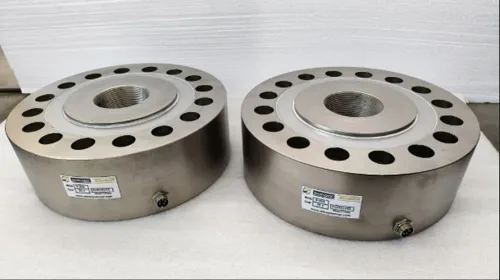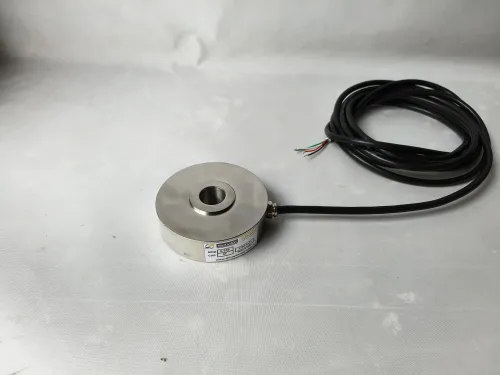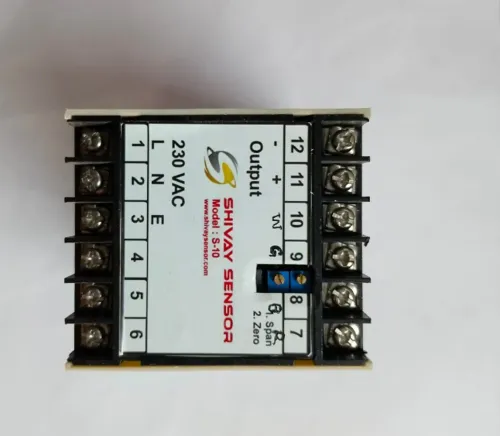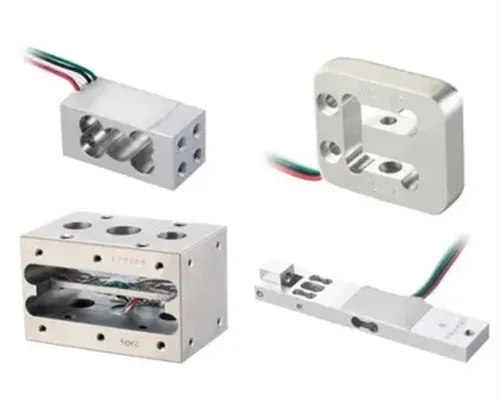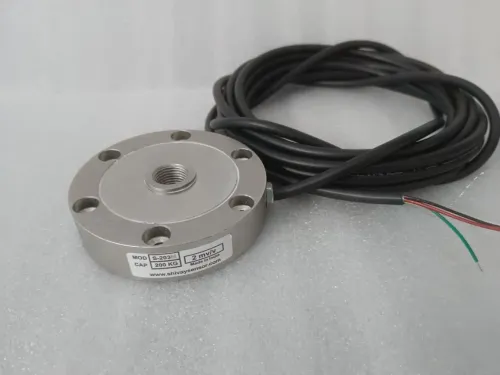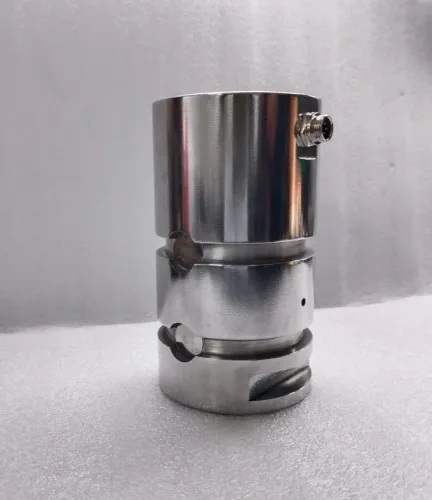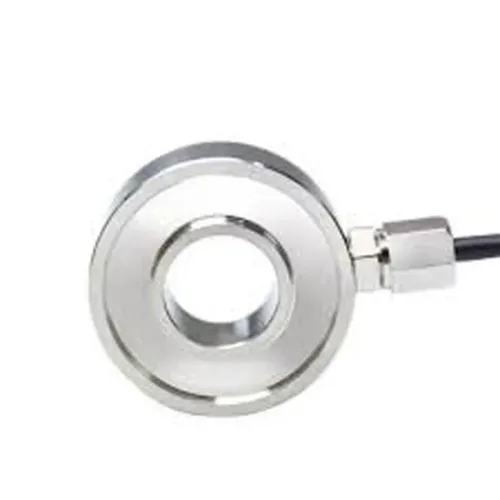
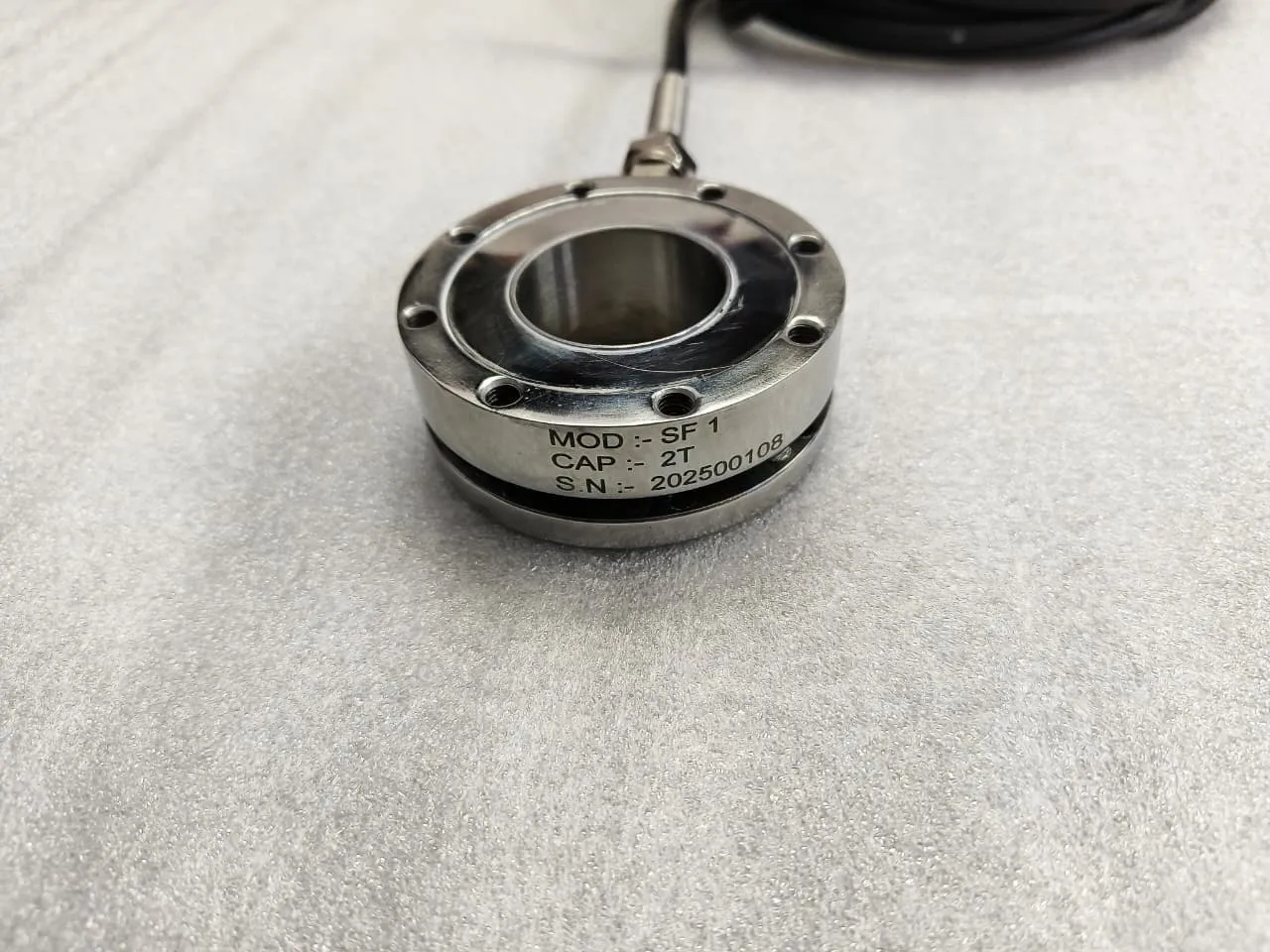
JF1 Press Force Sensor II JF1 Load Cell
In the world of high-speed manufacturing and assembly, accuracy isn't just a goal—it’s a requirement. Whether you are performing micro-assembly or heavy-duty industrial pressing, the JF1 Press Force Sensor stands out as a premier solution for real-time monitoring and quality control.
This post explores why the JF1 is becoming the industry standard for force measurement and how it can optimize your production line.
What is the JF1 Press Force Sensor?
The JF1 is a specialized piezoelectric or strain-gauge based sensor (depending on the specific model variant) designed to integrate directly into press rams or manual toggle presses. It converts mechanical force into a measurable electrical signal, allowing operators to monitor the 'Force vs. Displacement' curve with extreme precision.
Key Features and Specifications
- Compact Design: Engineered to fit into tight spaces without sacrificing structural integrity.
- High Dynamic Range: Capable of measuring both minute fluctuations and heavy industrial loads.
- Long-Term Stability: Minimal drift over millions of cycles, reducing the need for frequent recalibration.
- Plug-and-Play Integration: Compatible with most industrial amplifiers and PLC systems.
Why Your Production Line Needs a JF1 Sensor
Implementing the JF1 Press Force Sensor goes beyond simple measurement; it’s about Zero-Defect Manufacturing.
1. Real-Time Quality Assurance
By monitoring the force profile of every stroke, the JF1 can immediately detect if a part is missing, misaligned, or if the material hardness is out of spec. This prevents 'bad' parts from moving further down the line.
2. Tooling Protection
Unexpected force spikes can shatter expensive dies and molds. The JF1 acts as an early warning system, triggering an emergency stop before catastrophic damage occurs.
3. Data-Driven Optimization
The data collected by the JF1 allows engineers to analyze trends. If the average force required for a press-fit starts to creep upward, it may indicate that your tooling is wearing out and needs maintenance.
Common Applications
The versatility of the JF1 makes it ideal for several sectors:
IndustryApplicationAutomotiveBushing insertion, bearing assembly, and riveting.ElectronicsPin insertion in PCBs and smartphone housing assembly.MedicalPrecise crimping of stents and assembly of surgical instruments.AerospaceHigh-tolerance fastener installation and structural testing.How to Choose the Right Model
When selecting your JF1 sensor, consider these three factors:
- Nominal Force: Ensure the sensor’s capacity exceeds your maximum press force by at least 20% for safety.
- Environment: Do you need IP67 protection against oils and coolants?
- Output Signal: Does your controller require 0-10V, 4-20mA, or a digital output?
Conclusion
The JF1 Press Force Sensor is more than just a component; it’s an investment in your brand's reputation for quality. By catching errors at the source, you reduce scrap, save time, and ensure that every product leaving your facility meets the highest standards.
#Manufacturing #IndustrialAutomation #QualityControl #PrecisionEngineering #SmartManufacturing #Industry40 #IoT #ForceSensor #LoadCell #PressMonitoring #Metrology #Sensors #AssemblyLine #JF1Sensor #ZeroDefect #PredictiveMaintenance #ProcessMonitoring #ProductionEfficiency #TestAndMeasurement #JF1Sensor #ForceMeasurement #IndustrialAutomation #QualityAssurance #ManufacturingExcellence #SmartFactory #SensorTechnology #PrecisionPressing
Keywords