Jib Crane Load Cell & Load Pin Sensors: The Ultimate Guide to Overload Protection
In fast-paced manufacturing, warehousing, and industrial environments, jib cranes are the workhorses of localized material handling. Whether lifting heavy components over a machining center or moving materials across a workstation, these cranes operate under intense daily stress.
But how do you ensure your operators aren't pushing a 2-ton system past its structural limits?
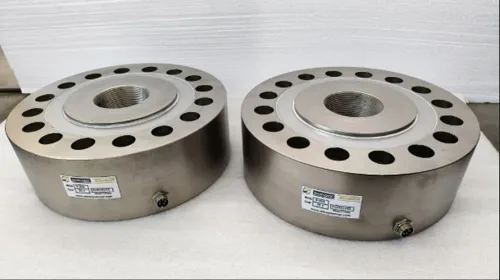
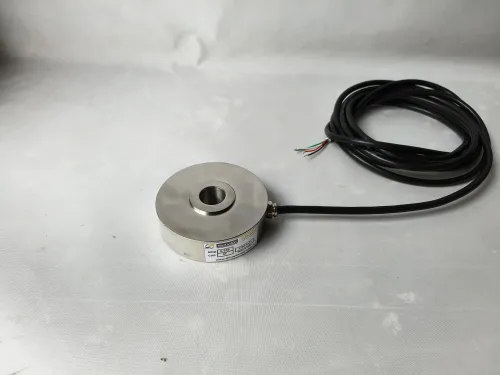
The answer lies in precision force measurement. Integrating a jib crane load cell or load pin sensor into your hoisting system converts standard material handling equipment into an intelligent, data-driven safety asset.
Why Jib Cranes Require Real-Time Load Monitoring
Unlike massive overhead gantry cranes, jib cranes feature a horizontal boom (jib) attached to a vertical mast or wall. As a hoist moves further out along the arm, the structural leverage and bending moment increase significantly.
An accidental overload at the tip of the boom can cause catastrophic structural failure, putting your workforce at risk and causing expensive equipment downtime.
Implementing active sensor monitoring protects your operations in three primary ways:
- OSHA & ASME Compliance: Regulatory bodies require strict adherence to rated crane capacities. Load cells supply the verifiable data trail needed for safety audits.
- Instant Overload Cut-Off: Modern load tracking systems link directly to your crane’s control panel. If a load exceeds 100–110% of its rated capacity, the sensor triggers a relay that instantly halts the hoist's upward movement.
- Preventing Structural Fatigue: Regular, repetitive lifts near a crane's maximum limit weaken the steel structure over time. Continuous tracking identifies stress trends before fractures form.
Load Cells vs. Load Pins: Which is Right for Your Jib Crane?
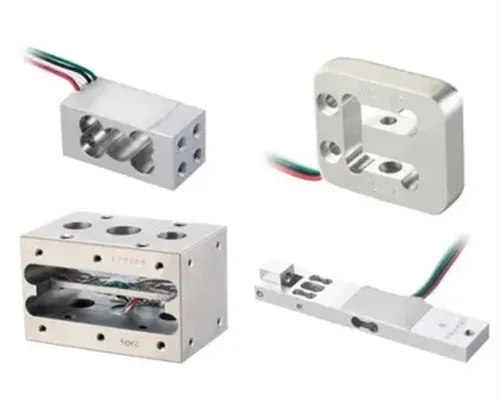
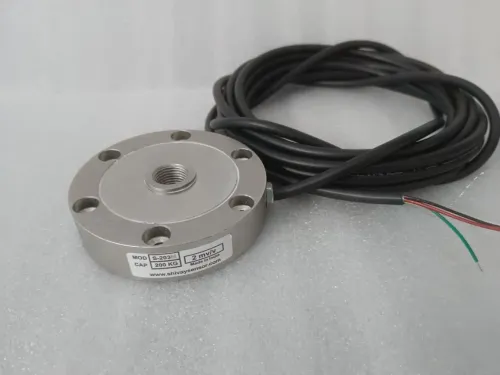
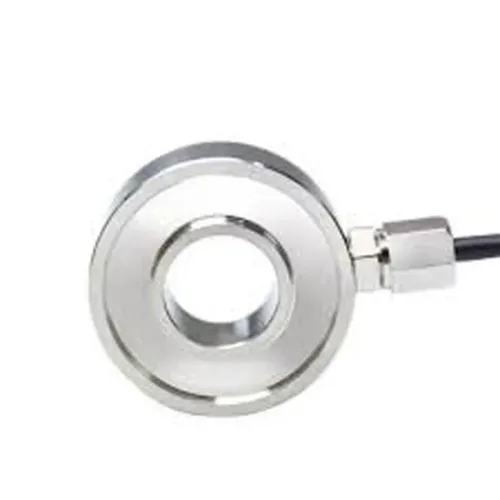
When retrofitting or designing a crane weighing system, engineers primarily select between two primary sensor architectures: Tension/Compression Load Cells and Integrated Load Pins.
FeatureTension / Link Load CellsIntegrated Load PinsPrimary LocationIn-line with the hoist hook or dead-end wire ropeReplaces existing structural shackle pins or sheave axlesInstallation FrictionHigh headroom impact; requires altering the lifting chain/cable lineZero headroom loss; drops directly into existing mechanical jointsEnvironmental ProtectionHighly exposed to swinging and external impactsSafely embedded within the crane's internal mechanical frameworkBest Used ForAccurate weight verification & commercial trade measurementsRugged, space-constrained overload protection and safety cutoff
1. Jib Crane Load Cells (In-Line Measurements)
Often designed as 'S-type' or 'tension link' configurations, these cells sit directly in the load path. As the hoist lifts an object, the sensor measures the physical strain and converts it into an accurate electrical signal (typically 4-20mA or 0-10V). They offer top-tier accuracy but reduce your total vertical lifting clearance (headroom).
2. Load Pin Sensors (The Low-Profile Alternative)
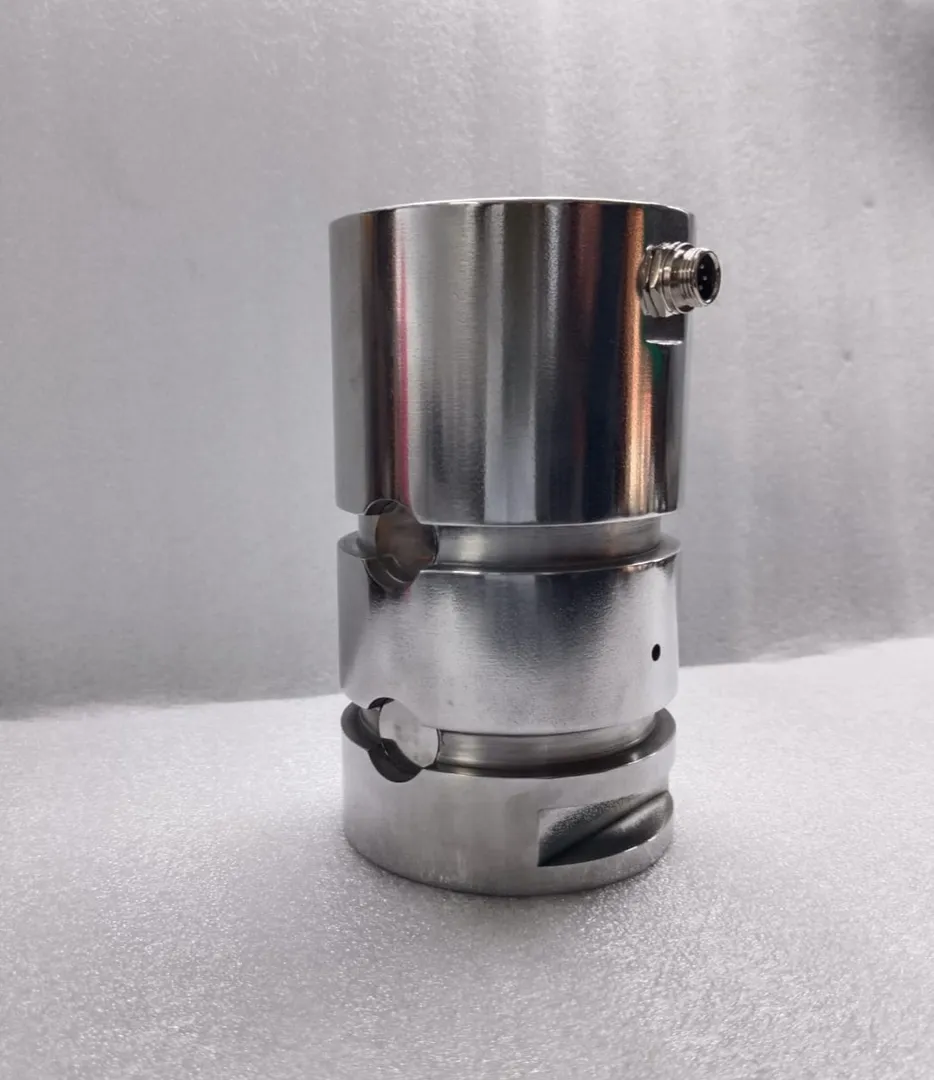
Load pins are specialized, hardened steel pins instrumented with internal strain gauges. They are designed to directly replace existing structural pins—such as the pivot pin at the top of the jib mast, the sheave axle, or the hoist dead-end clevis.
Because they take the place of an existing component, load pin sensors require zero additional headroom, making them the ideal choice for low-ceiling facilities or compact wall-mounted jib designs.
Critical Features to Specify When Ordering
Industrial environments are unforgiving. To ensure your force sensors last for years without drifting out of calibration, match your specifications to these operational requirements:
- Environmental Ingress Protection (IP Rating): For indoor facilities with high moisture or dust, look for at least an IP66 rating. For outdoor shipyards, scrap yards, or marine environments, IP67 or IP68 hermetically sealed stainless steel is mandatory.
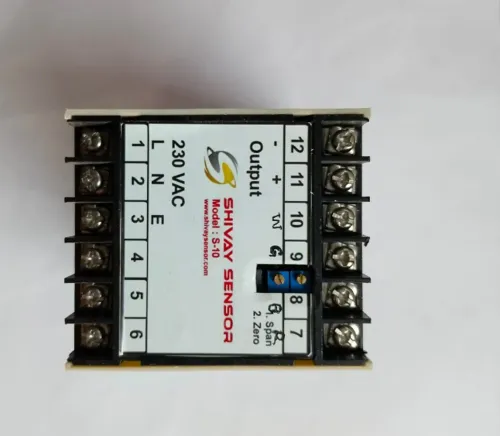
- Signal Output Compatibility: Ensure the sensor integrates easily with your existing programmable logic controllers (PLCs) or crane indicator displays. Common standards include analog signals (4-20mA), digital formats (RS-485), or modern wireless telemetry blocks.
- Dual Strain Gauge Redundancy: For critical safety applications, choose load pins built with dual independent internal strain bridges. If one circuit encounters an electrical issue, the backup instantly preserves system visibility.
Keep Your Lifting Operations Secure
Integrating a high-quality load cell or load pin sensor into your jib crane is a practical investment that prevents workplace accidents, shields expensive machinery, and keeps your facility fully compliant with industrial safety codes.
Whether you need a drop-in replacement load pin for a tight space or an ultra-precise tension link load cell for inventory control, selecting application-specific equipment is the key to reliable long-term performance.
#LoadPin
#LoadCell
#JibCrane
#ForceSensor
#StrainGauge
#OverloadProtection
#CraneSafety
#MaterialHandling
#HoistMonitoring
#IndustrialWeighing
#CraneManufacturing
#B2BManufacturing
#LiftingEquipment
#FactorySafety
#IndustrialAutomation
Keywords