Low Profile Compression Load Cell Manufacturers in India
In the world of precision measurement and industrial monitoring, the right sensor can make all the difference. When space is limited but accuracy can't be compromised, the low profile compression load cell emerges as an indispensable tool. These devices are the unsung heroes in countless applications, providing reliable force measurement without demanding significant room.
If you're looking for a robust, accurate, and space-saving solution for your weighing or force-monitoring needs, this comprehensive guide will help you understand the benefits, applications, and key considerations for choosing the perfect low profile load cell.
What is a Low Profile Compression Load Cell?
A load cell is a transducer that converts a force (like weight or tension) into a measurable electrical output. A compression load cell is specifically designed to measure a pushing or compressive force.
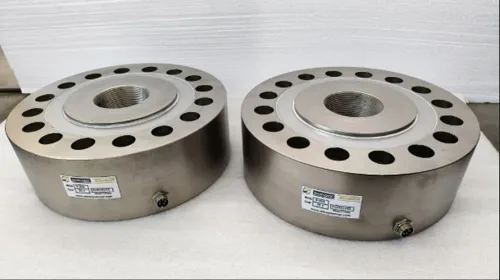
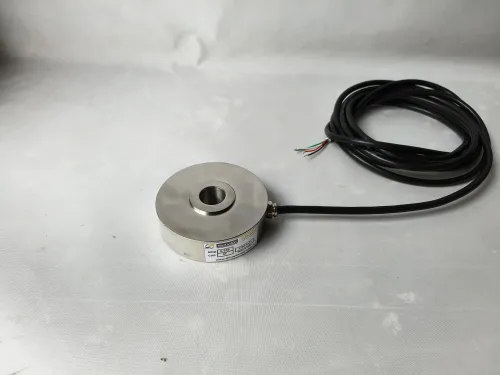
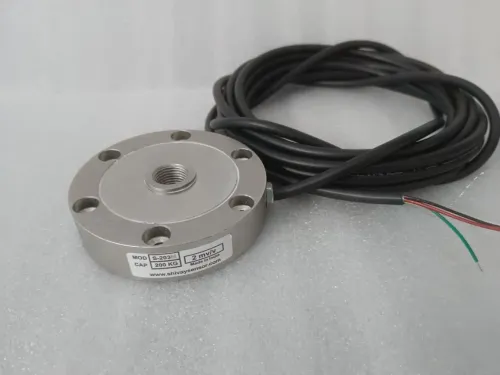
The key distinguishing feature of the 'low profile' variant is its small height-to-diameter ratio. This design makes it significantly flatter and more compact than traditional load cells, allowing it to be integrated easily into applications with tight spatial constraints. They are often disc-shaped or 'pancake' style.
Key Features and Benefits:
- Space-Saving Design: Their minimal height is the primary advantage, making them ideal for integration into existing machinery or small spaces.
- High Accuracy: Despite their size, they offer exceptional linearity and repeatability, ensuring reliable measurement data.
- Rugged Construction: Typically made from stainless steel or nickel-plated alloy steel, they are built to withstand harsh industrial environments.
- Wide Capacity Range: Available in a vast range of capacities, from a few kilograms up to several hundred metric tons.
Where are Low Profile Compression Load Cells Used?
The versatility and compact nature of these load cells make them suitable for a diverse array of industries and applications.
1. Industrial Weighing Systems
- Silo and Tank Weighing: Often placed beneath large storage tanks or silos to monitor the inventory level of contents (liquids, powders, or grains). Their low profile is essential for maintaining the overall stability and height of the structure.
- Platform Scales: Integrated into low-height industrial scales where minimal height is critical for easy loading and unloading.
2. Manufacturing and Automation
- Press and Stamping Force Measurement: Used to monitor and control the force applied by hydraulic or pneumatic presses, ensuring quality control and preventing equipment damage.
- Robotics and End-of-Arm Tooling: Installed in robotic systems for precise force feedback during assembly or manipulation tasks.
3. Testing and R&D
- Materials Testing Machines: Used in universal testing machines (UTMs) to accurately measure the compressive strength of materials like concrete, metals, and polymers.
- Calibration Standards: Employed as high-accuracy primary reference standards for calibrating other force sensors and instruments.
Choosing the Right Low Profile Load Cell: 3 Critical Factors
Selecting the correct sensor ensures optimal performance and longevity. Consider these three factors before making a purchase:
1. Capacity (Max Load)
The rated capacity must be higher than the maximum expected force you plan to measure. As a general rule, it's advisable to choose a load cell with a capacity of 120% to 150% of your maximum anticipated operating load to account for shock loads, eccentric loads, and safety margins.
2. Output and Sensitivity
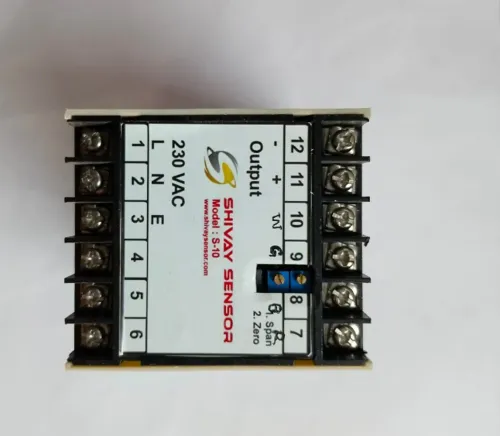
Load cells typically output a small voltage signal (often in mV/V - millivolts per volt). Ensure the load cell's output signal is compatible with your amplifier or display indicator. For high-noise environments, look for options with an integrated amplifier (amplified output) or a digital output (e.g., USB, CAN bus).
3. Material and Environmental Protection (IP Rating)
The operating environment dictates the required construction material and IP (Ingress Protection) rating:
EnvironmentRecommended MaterialRecommended IP RatingDry/Clean IndustrialAlloy Steel (Nickel Plated)IP65Wet/Washdown/ChemicalStainless SteelIP67 or IP68SubmersibleFully Welded Stainless SteelIP68
Export to Sheets
Maximize Performance with Proper Installation
Even the best load cell will fail if installed poorly. For low profile compression load cells, correct alignment is paramount.
- Use Base Plates: Always mount the load cell on a hard, flat, and level surface using recommended mounting plates. This prevents non-axial or side-loading forces.
- Apply Concentric Force: The force should be applied straight down through the center axis of the load cell. Misalignment is the number one cause of measurement errors and premature failure.
- Use Self-Aligning Hardware: Consider using load buttons or load plates that feature radiused or spherical contacts. This hardware helps self-align the force, significantly reducing the impact of eccentric loading.
By understanding the unique design and adhering to proper installation practices, a low profile compression load cell will provide years of accurate, dependable force measurement in your most space-critical applications.
#LowProfileLoadCell #SpaceSaver #CompactMeasurement #ThinAndStrong #MinimalHeight#PrecisionWeighing #ForceMeasurement #HighAccuracy #IndustrialSensors #LoadCellSolutions#TankWeighing #SiloWeighing #MaterialsTesting #AutomationTech #IndustrialScales #LowProfileCompressionLoadCell #ForceSensor #IndustrialMeasurement #AccurateWeighing
Keywords