Low-Profile Pancake Load Cells (100kg to 300kg)
In industrial weighing and force measurement, space is often the tightest constraint. When you need high accuracy but lack vertical clearance, traditional canister load cells won't cut it. That is where low-profile pancake load cells become the industry standard.
Whether you are designing a compact material testing machine, a tank weighing assembly, or automated assembly lines, selecting the right capacity—typically 100kg, 200kg, or 300kg—and understanding the underlying engineering advantages is vital to system longevity and measurement precision.
What is a Low-Profile Pancake Load Cell?
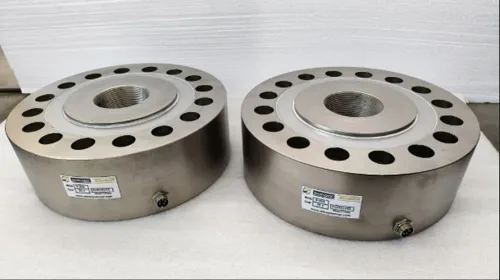
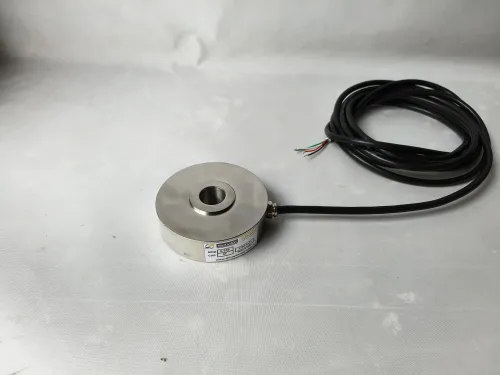
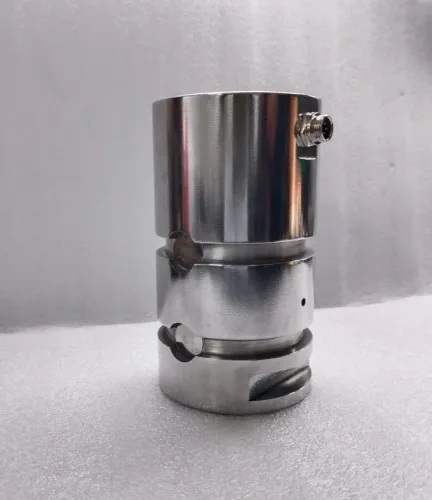
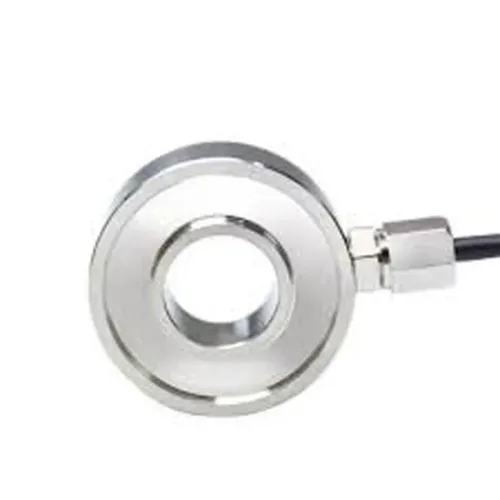
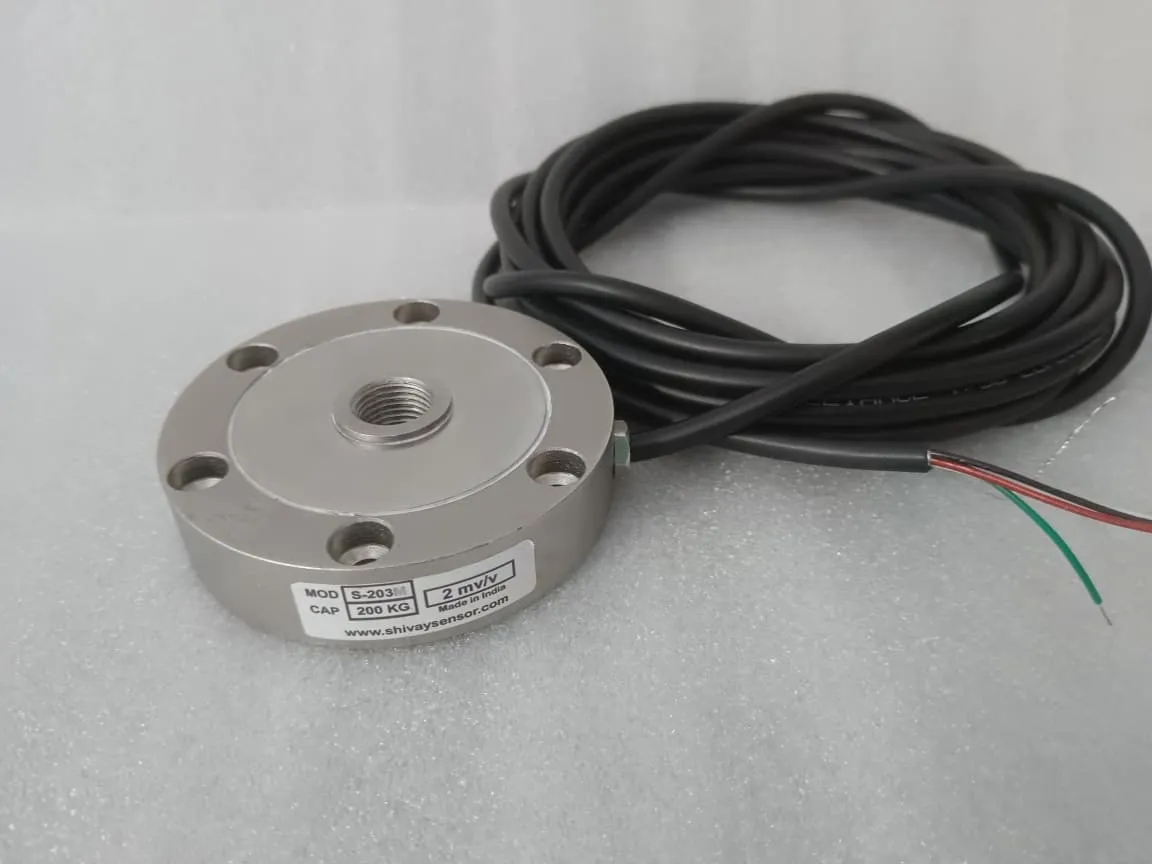
Commonly referred to as a spoke or shear-web load cell, a pancake load cell features a low-profile, flat, cylindrical design. Its internal structure consists of a central hub connected to an outer ring via multiple radial beams (or spokes).
When a compression or tension force is applied to the central hub, strain gauges bonded to these internal webs measure the shear strain.
Why Choose a Pancake Design?
- High Side-Load Resistance: The radial spoke geometry inherently counteracts extraneous side forces, bending moments, and eccentric (off-center) loading.
- Low Deflection: Under full scale load, the mechanical deflection is minimal, making them exceptionally rigid and ideal for dynamic fatigue testing.
- Compact Footprint: The low height-to-diameter ratio allows easy integration into tight mechanical envelopes where vertical clearance is restricted.
Selecting the Right Capacity: 100kg vs. 200kg vs. 300kg
Choosing the correct capacity ensures you capture high-resolution data without risking structural yielding due to overload conditions.
CapacityPrimary ApplicationsKey Advantage100kgPrecise medical device testing, low-force component assembly, laboratory press calibration.Highest signal resolution for delicate, low-force thresholds.200kgMiddle-tier batching systems, aerospace component testing, conveyor line weighing.Perfect balance of robust mechanical strength and signal clarity.300kgIndustrial hydraulic presses, multi-cell silo/tank weighing, heavy-duty material testing rigs.Maximum headroom against transient shock loads and overloads.
Pro-Tip on Safety Factor: When specifying your capacity, always factor in a safety headroom. For static weighing, a load cell should ideally operate within 30% to 70% of its full-scale capacity. For dynamic applications with potential shock loads, specify a capacity that is at least 2x to 3x the maximum expected peak force.
Critical Technical Specifications to Evaluate
When evaluating low-profile pancake load cells for your application, look past the capacity sticker. Ensure your manufacturer provides high performance across these critical specifications:
1. Excitation Voltage and Sensitivity
Most industrial pancake cells operate with a standard sensitivity of 2.0 mV/V. Combined with an excitation voltage of 5V to 10V DC, this yields a highly stable, linear analog output signal that minimizes the impact of thermal drift when routed to high-precision analog-to-digital converters (ADCs).
2. Ingress Protection (IP Rating)
- IP65/IP66: Ideal for clean, dry automation setups and dry material testing labs.
- IP67/IP68: Essential if your sensor will be subjected to washdowns, high-humidity, or dusty environments (like industrial chemical batching or food processing).
3. Material Selection: Alloy Steel vs. Stainless Steel
- Alloy Steel: Offers excellent fatigue life and mechanical stability at a highly cost-effective price point. Typically nickel-plated for corrosion resistance.
- Stainless Steel (17-4 PH): Highly recommended for corrosive chemical environments, medical applications, and food processing lines due to its superior environmental resistance and extreme structural yield strength.
Common Applications for 100kg - 300kg Low-Profile Sensors
- Press Fit and Assembly Automation: Monitoring the exact insertion force required to seat bearings, bushings, and electronic components without shattering fragile parts.
- Multi-Point Tank and Vessel Weighing: Utilizing three or four low-profile cells in a parallel star-ground network under vessel legs to accurately track inventory by mass.
- Universal Testing Machines (UTM): Serving as the central force transducer for tension and compression material destruction testing.
Conclusion: Engineering Precision from the Ground Up
Investing in a high-quality 100kg, 200kg, or 300kg low-profile pancake load cell ensures your industrial automation setup remains reliable, accurate, and safe from unexpected mechanical failures. By understanding your specific environment, side-load parameters, and required output sensitivity, you can seamlessly integrate a sensor that delivers stable, flicker-free counts over millions of operational cycles.
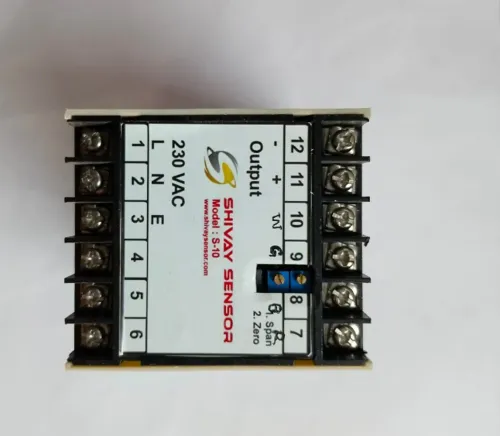
Looking for custom mounting hardware, metric thread options, or high-stability industrial controllers to pair with your pancake load cells? Contact our technical engineering team today for a tailored application review.
#PancakeLoadCell
#LowProfileLoadCell
#LoadCell100kg
#LoadCell200kg
#LoadCell300kg
#ForceSensor
#WeightSensor
#IndustrialAutomation
#WeighingSystems
#ProcessControl
#MaterialTesting
#TestAndMeasurement
#FactoryAutomation
#SensorsAndActuators
#IndustrialManufacturing
#SensorManufacturer
#Instrumentation
#MakeInIndia
#MSMEIndia
#B2BManufacturing
Keywords