Miniature Button Load Cell for Compression Force Measurement
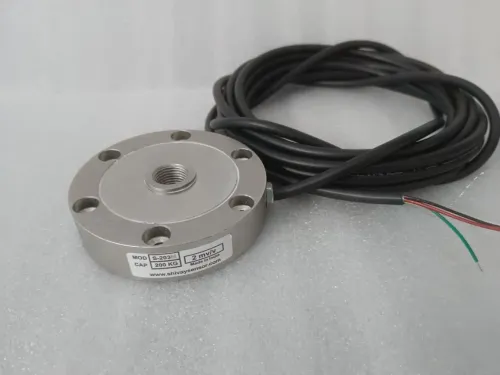
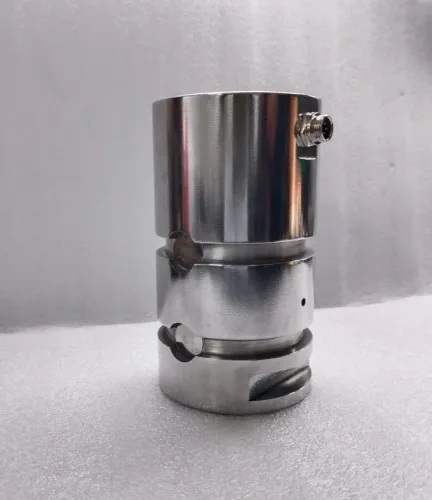
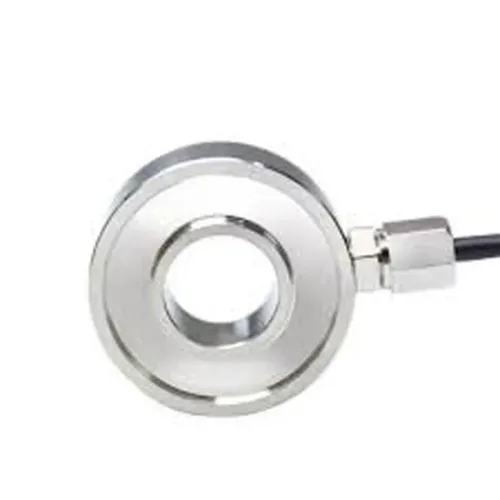
The miniature button load cell represents a critical advancement in high-precision force sensing, offering robust and reliable data acquisition within severely space-constrained environments. These low-profile sensors are specifically engineered to measure compression force measurement, making them indispensable across a spectrum of industrial, medical, and aerospace applications where traditional, bulkier sensors are unfeasible.
Core Functionality and Design
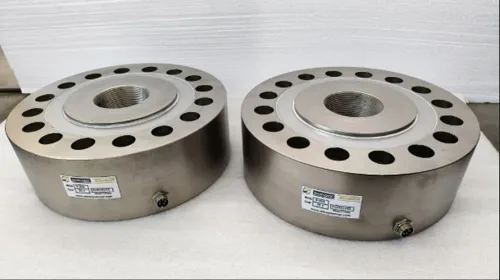
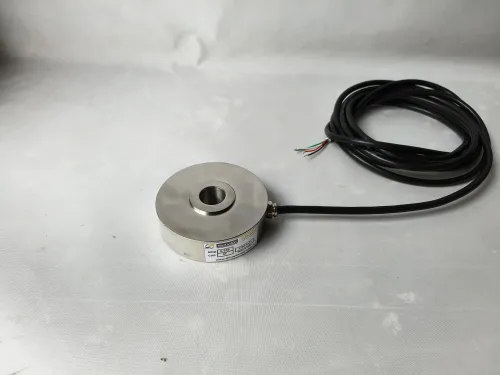
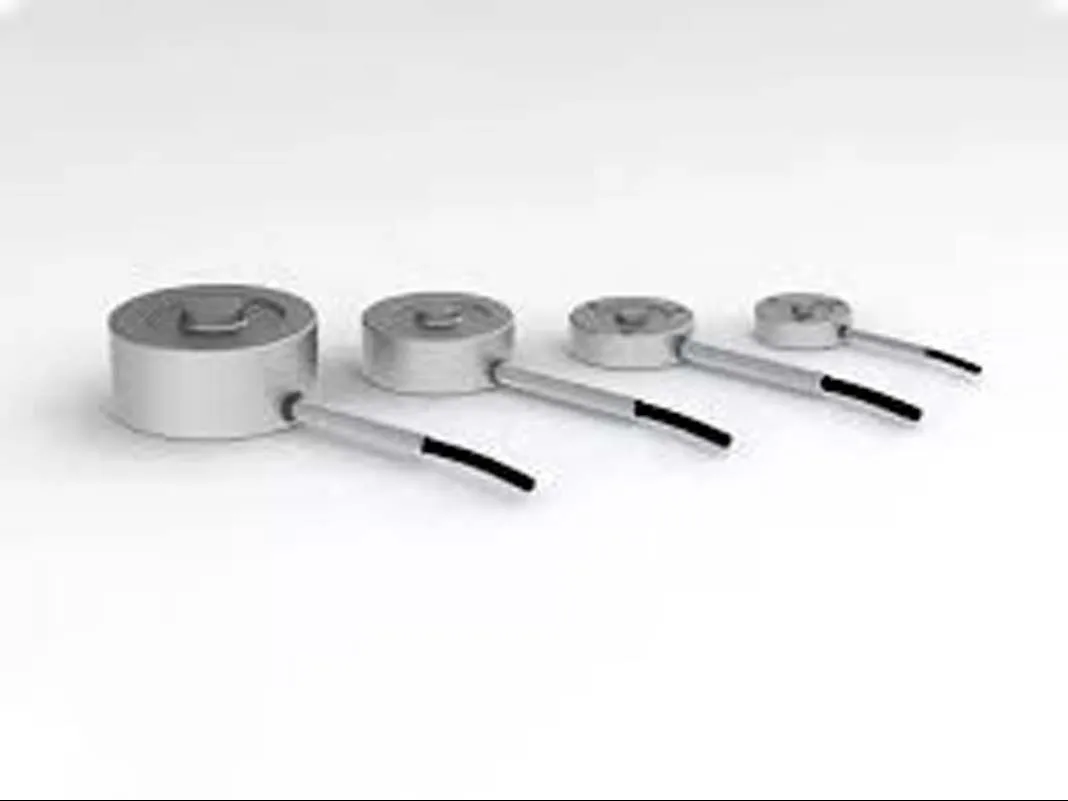
A button load cell derives its name from its compact, disc-shaped, or 'button' form factor. Despite their small size, typically ranging from a diameter of a few millimeters up to several centimeters, they utilize standard strain gauge technology. Inside the robust housing, precision strain gauges are meticulously bonded to the sensor’s inner flexure element. As an external compressive load is applied—a force pressing directly down on the contact surface—the material slightly deforms, causing a proportional change in the electrical resistance of the strain gauges.
These gauges are typically wired into a Wheatstone bridge circuit. This configuration allows for the conversion of minute physical deformation into a measurable electrical signal (usually in millivolts per volt, mV/V). The key design advantage of the miniature button format is its inherent high rigidity and low deflection, ensuring a fast response time, exceptional linearity, and minimal side-load sensitivity, thereby preserving the accuracy of the compression force measurement.
Key Features and Performance Benefits
The selection of a miniature load cell is driven by stringent performance requirements in challenging settings. Material composition is crucial; most high-quality units are constructed from durable stainless steel, offering excellent corrosion resistance and long-term stability in diverse operating conditions.
Their small dimensions translate directly into high natural frequencies, which is vital for dynamic testing and monitoring rapid force changes without signal damping. Furthermore, miniature button load cells often boast high capacity-to-size ratios. For instance, a sensor with a diameter of less than one inch may reliably measure forces ranging from a few grams up to several kilonewtons. This capability, coupled with high IP ratings for dust and moisture ingress, ensures the sensor’s longevity and consistent performance in demanding industrial or testing environments.
Versatile Applications in Industry
The unique combination of small form factor and high accuracy allows the miniature button load cell to solve complex measurement problems across various fields. In robotics and automation, they are integrated into end-of-arm tooling to ensure precise grip and force feedback. In the medical sector, they are used to calibrate therapeutic equipment and monitor tissue compression during sensitive procedures.
Furthermore, they are essential components in:
- Manufacturing Quality Control: Monitoring pressing forces in assembly, crimping, or welding machines.
- Material Testing: Integrated into small-scale test rigs for measuring yield strength or failure points.
- Platform Weighing: Creating ultra-thin, highly sensitive scales and load distribution analysis systems.
By providing highly accurate and repeatable compression data from the smallest possible footprint, the miniature button load cell enables innovation where space and precision are paramount.
#MiniatureLoadCell #CompressionForce #HighPrecisionSensing #LowProfileSensor #ButtonLoadCell
Keywords