S Beam Load Cell Manufacturers, Suppliers in India
In the vast world of industrial automation and measurement, some components work tirelessly behind the scenes, ensuring accuracy and efficiency without much fanfare. The S-beam load cell is one such unsung hero. While it may not be a household name, its applications are everywhere, from the scales at your local grocery store to the complex weighing systems in manufacturing plants. Understanding what an S-beam load cell is and how it works can provide a new appreciation for the precision that underpins so much of our modern world.
What is an S-Beam Load Cell?
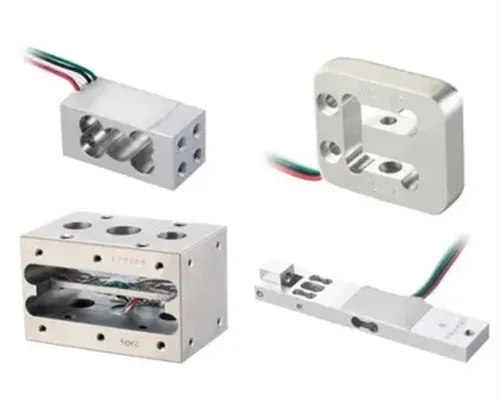
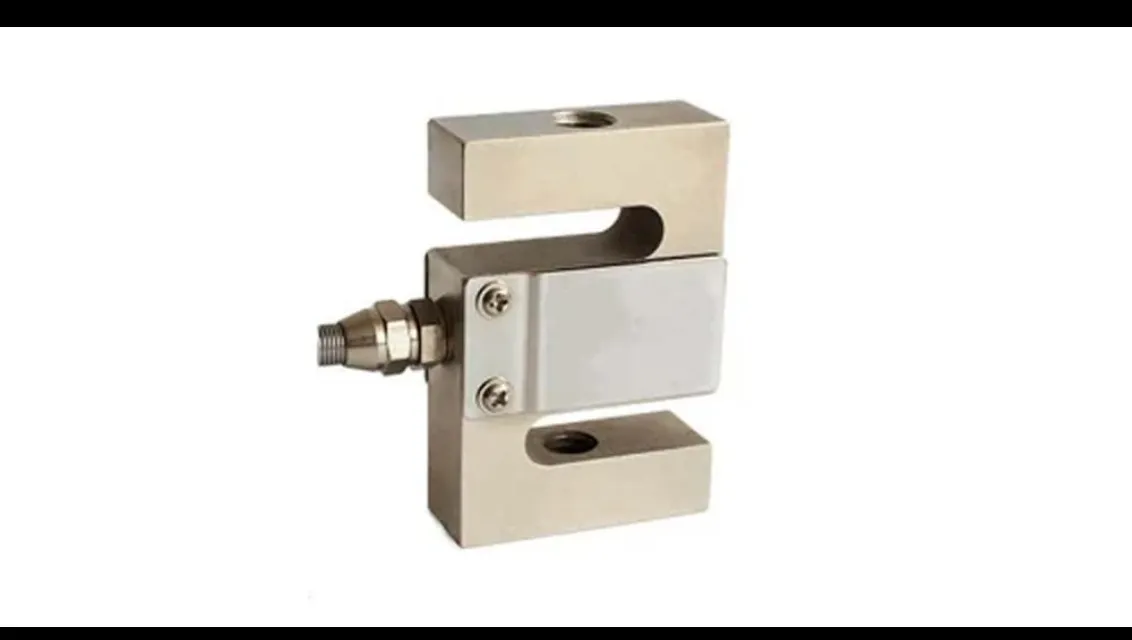
An S-beam load cell, also known as an S-type load cell, gets its name from its distinctive 'S' shape. This unique geometry is not just for aesthetics; it's a critical design feature that allows the cell to measure tension and compression forces with exceptional accuracy. Unlike other load cells that primarily measure one type of force, the S-beam design makes it a versatile tool for both pulling (tension) and pushing (compression) applications. The cell's body is typically made from a high-strength material like alloy steel or stainless steel, which provides durability and resistance to harsh environments.
How Do They Work?
At the core of an S-beam load cell's operation is a fundamental principle of physics and engineering: the strain gauge. A strain gauge is a small, foil-like sensor that is bonded to the load cell's body. When a force is applied to the load cell, its shape changes slightly—it stretches under tension and compresses under compression. This minute deformation, or strain, causes a change in the electrical resistance of the strain gauge.
Multiple strain gauges are strategically placed on the S-beam load cell and wired together in a Wheatstone bridge configuration.
Licensed by Google
This circuit is incredibly sensitive to even the smallest changes in resistance. When the load cell is at rest (no force applied), the bridge is balanced, and the output voltage is zero. As soon as a load is applied, the strain gauges deform, unbalancing the bridge and generating a proportional electrical signal. This signal, typically in millivolts (mV), can then be amplified and converted into a digital readout, such as kilograms, pounds, or Newtons.
Common Applications
The dual-purpose nature of S-beam load cells—measuring both tension and compression—makes them indispensable in a wide array of industries. In the manufacturing sector, they are a staple in hopper and tank weighing systems, where they measure the weight of materials in a container. They are also integral to material testing machines, where they are used to determine the tensile and compressive strength of various materials. In agriculture, S-beam load cells are found in livestock scales and grain silo monitoring systems. Their use extends to other fields like aerospace, civil engineering, and medical equipment, where precise force measurement is critical.
Key Advantages
The popularity of S-beam load cells stems from several key advantages. Their high accuracy and repeatability ensure reliable measurements over time. The compact, robust design makes them easy to install and suitable for demanding industrial environments. Furthermore, their cost-effectiveness compared to other high-precision sensors makes them a practical choice for a wide range of applications. In short, the S-beam load cell is a testament to the power of a simple, clever design that delivers powerful results, proving that some of the most crucial innovations are the ones we never even notice.
#IndustrialWeighing #LoadCells #SBeamLoadCell #ForceMeasurement #Automation #Sensors #Manufacturing
Keywords