Tablet Press Load Cells: Ensuring Precision and Quality in Pharmaceutical Manufacturing
In the demanding world of pharmaceutical manufacturing, precision isn't just a goal—it's an absolute necessity. Every tablet produced must meet stringent quality standards for weight, hardness, and disintegration. At the heart of achieving this consistency in tablet compression lies a critical, yet often unseen, component: the tablet press load cell.
These unassuming sensors play a pivotal role in high-precision force measurement and monitoring during the tablet manufacturing process. Let's delve into why they are indispensable for quality control and operational efficiency.
What is a Tablet Press Load Cell?
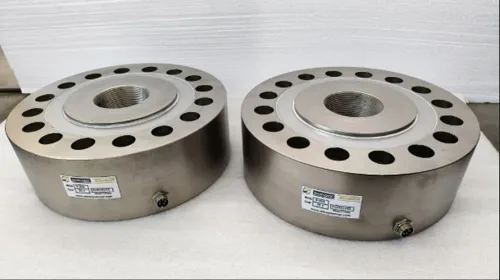
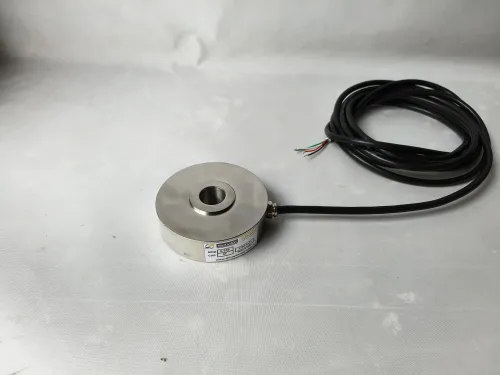
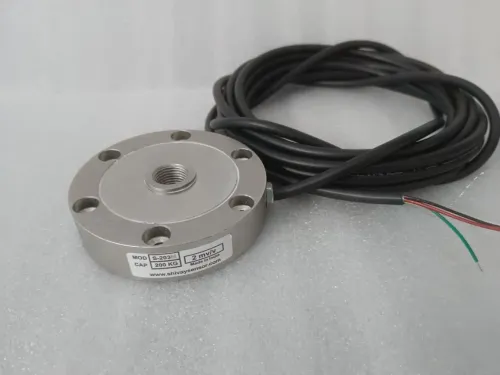
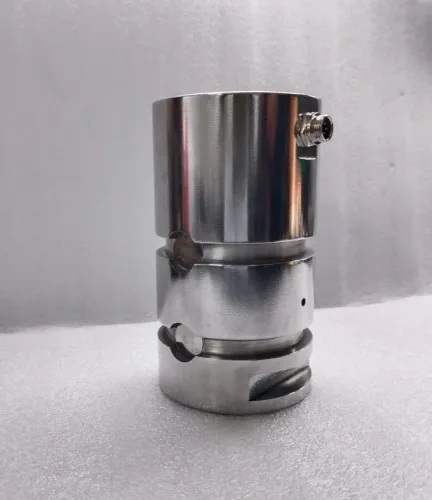
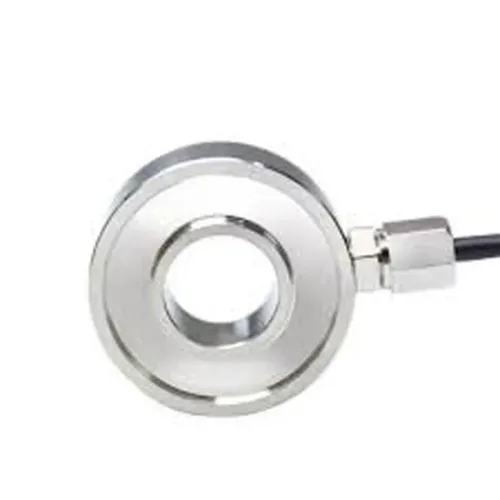
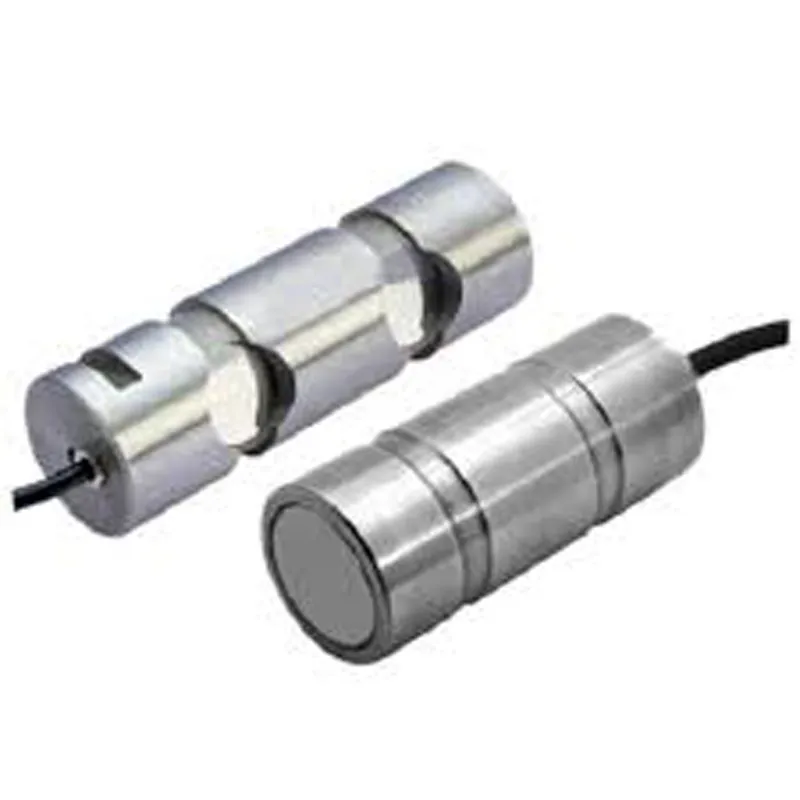
A load cell is a transducer that converts a force into an electrical signal. In the context of a tablet press, these specialized force sensors are strategically integrated into the machine's compression stations – specifically on the main and pre-compression rollers. As the punches compress the powder into a tablet, the load cell measures the exact force being applied.
The Critical Role of High-Precision Force Measurement
Why is this measurement so vital?
- Consistent Tablet Weight: The compression force directly impacts the density and, consequently, the weight of the tablet. Precise load cells allow manufacturers to maintain consistent compression, ensuring each tablet falls within specified weight tolerances. This prevents issues like under-dosing or over-dosing, which are critical in pharmaceuticals.
- Optimal Tablet Hardness: Tablet hardness affects its integrity during packaging and transport, as well as its disintegration and dissolution rates in the body. By accurately measuring compression force, load cells help achieve the desired hardness, preventing tablets from being too brittle or too hard.
- Process Monitoring and Control: Modern tablet presses are equipped with advanced control systems that use real-time data from load cells. This data allows for:
- Automated Adjustments: If the compression force deviates from the set parameters, the system can automatically adjust feed or compression settings.
- Early Anomaly Detection: Sudden spikes or drops in force can indicate issues with the raw material (e.g., inconsistent powder flow), punch tooling problems, or machine malfunctions.
- Reduced Waste: By identifying and correcting issues quickly, manufacturers can prevent the production of large batches of out-of-spec tablets, significantly reducing material waste.
- Regulatory Compliance: Pharmaceutical production is heavily regulated. Accurate and verifiable data on compression force, provided by load cells, is crucial for maintaining compliance with Good Manufacturing Practices (GMP) and other regulatory requirements. It provides an auditable trail of process control.
The 'Monitoring' Aspect: Beyond Just Measurement
The true power of tablet press load cells extends beyond mere measurement; it's in their capacity for continuous monitoring. This real-time feedback loop transforms the tablet compression process from a batch-oriented check to an in-line, dynamic control system.
- Trend Analysis: By continuously monitoring force data, manufacturers can identify subtle trends over time that might indicate wear and tear on tooling or changes in raw material properties.
- Preventative Maintenance: Data patterns can signal potential machine issues before they lead to costly breakdowns, allowing for proactive maintenance.
- Recipe Optimization: Understanding the precise force required for different formulations helps in optimizing tablet recipes and scaling up production more effectively.
The Technology Behind the Precision
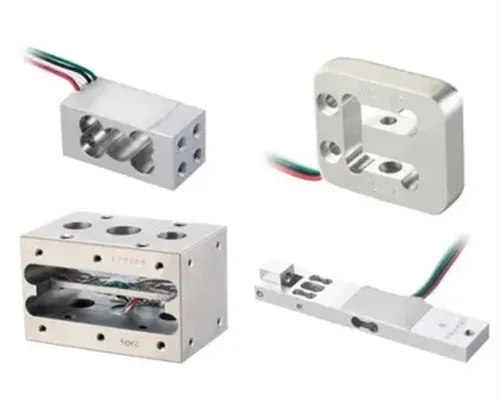
Tablet press load cells typically utilize strain gauge technology, which offers exceptional sensitivity and accuracy. These robust sensors are designed to withstand the harsh environment of a manufacturing plant, including vibrations, dust, and temperature fluctuations, while maintaining their calibration and performance.
Investing in Quality: The Bottom Line
For pharmaceutical companies, investing in high-quality, precise tablet press load cells isn't just about buying a component; it's about investing in product quality, process efficiency, and ultimately, patient safety. They are silent guardians, working tirelessly to ensure that every tablet produced is perfect.
#TabletPress #LoadCell #ForceMeasurement #PharmaceuticalMachinery #GMPCompliance #PharmaQuality #PrecisionEngineering #QC #QualityControl #ManufacturingTech #PharmaManufacturing #IndustrialSensors #Automation #ProcessControl #HighTechPharma #TabletPress #LoadCell #PharmaceuticalMachinery #PharmaQuality #PrecisionEngineering
Keywords