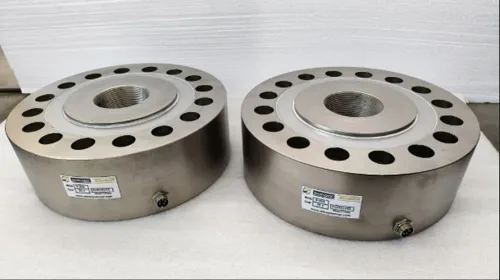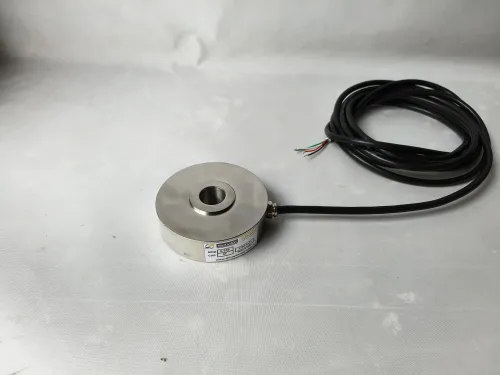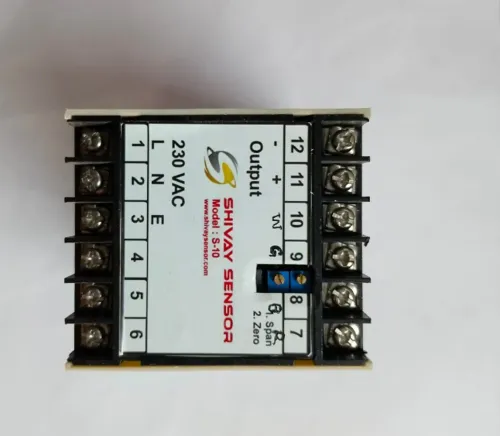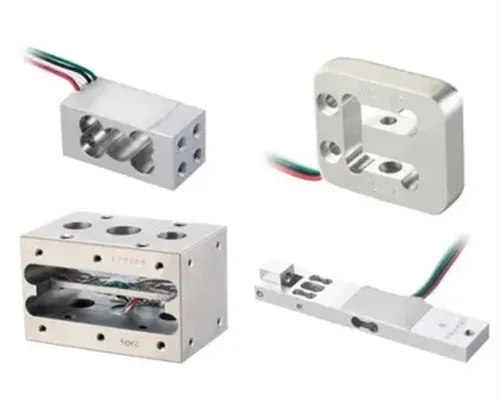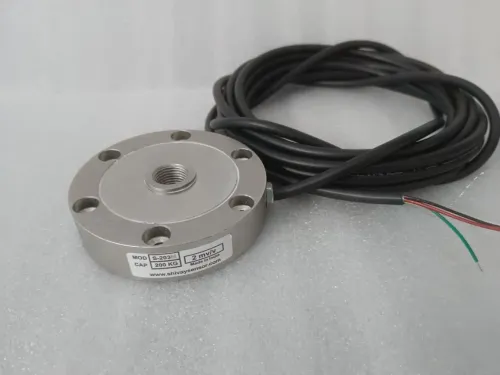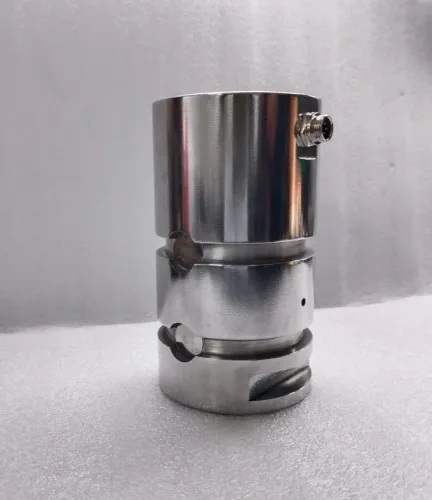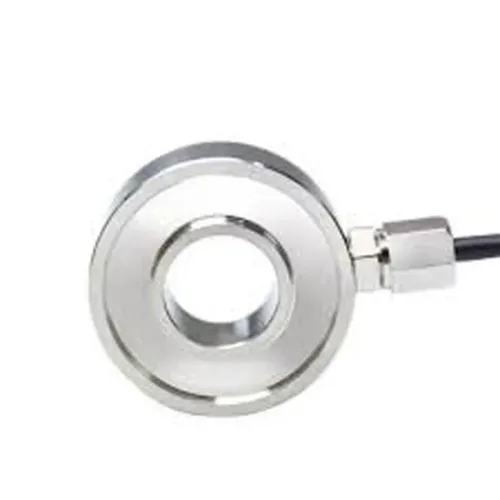
⚙️ Driving Reliability: The Crucial Role of Valve Actuator Force & Torque Sensors in the Automotive IndustryIn the relentless pursuit of efficiency and performance, modern automotive engineering relies heavily on complex electromechanical systems. Among the most critical are valve actuators, which control everything from engine air intake and exhaust to throttle body operations and advanced braking systems.The performance, safety, and longevity of these actuators hinge on one thing: precision. This is where Valve Actuator Force and Torque Sensors become indispensable, serving as the essential quality control and testing instruments for the entire automotive supply chain.Why Precision Sensing is Non-Negotiable in Automotive ActuatorsAutomotive actuators operate under demanding conditions—rapid cycles, extreme temperatures, and strict geometric constraints. A minor deviation in the force or torque applied by the valve can lead to:Emission Control Failure: Incorrect throttle or EGR (Exhaust Gas Recirculation) valve positioning impacts combustion efficiency.Reduced Fuel Economy: Inefficient valve timing leads to wasted energy.Component Wear and Tear: Excess force or torque can quickly degrade seals and moving parts, leading to premature failure and costly recalls.The only way to guarantee the actuator performs exactly as designed is through precise, real-time measurement using specialized force and torque sensors.🔑 Key Applications for Force & Torque SensorsThese sensors are utilized across the lifecycle of the automotive valve actuator, from R& D to final assembly verification:1. Research & Development (R& D) and Design VerificationDuring the design phase, engineers use highly sensitive, miniature torque sensors to map out the actuator's performance characteristics. This includes:Friction Analysis: Measuring the starting and running torque to optimize power consumption.Durability Testing: Cycling the actuator millions of times while monitoring torque and seating force to predict lifespan.2. Manufacturing and End-of-Line (EOL) TestingEvery actuator produced must meet the exact specifications. EOL testing integrates in-line force and torque sensors to perform rapid, non-destructive checks:Seating Force Verification: Ensuring the valve closes with the specified force to maintain a perfect seal.Hysteresis Measurement: Verifying that the torque required to open and close the valve is consistent across cycles.3. Quality Assurance (QA) and CalibrationSensors are used to calibrate the electrical signals and ensure the actuator's electronic control unit (ECU) receives accurate positional feedback relative to the mechanical force or torque being applied.🌟 Features of High-Performance Automotive Actuator SensorsChoosing the right sensor is critical. For the automotive industry, sensors must possess specific technical attributes:High Dynamic Response: The ability to accurately capture rapidly changing force and torque values during quick valve open/close cycles.Compact Footprint: Often required to integrate directly into tight testing jigs or even within the assembly itself (in-line torque transducers).High Overload Protection: Essential for production environments where accidental mishandling or sudden surges are common.Excellent Thermal Stability: The sensor must maintain accuracy across the automotive operating temperature range, typically from $-40^circtext{C}$ to $125^circtext{C}$.Digital Output: Modern digital force and torque sensors provide cleaner data, easier integration with PLC/SCADA systems, and reduced susceptibility to electrical noise.Driving the Future: EV & Autonomous Vehicle ApplicationsAs the automotive industry pivots toward electric vehicles (EVs) and autonomous driving, the role of these sensors only expands:Battery Management Systems: Monitoring force and torque in battery connection and disconnection mechanisms.Advanced Braking & Steering: Verifying the precise forces applied by electromechanical braking and steering systems where reliability is paramount to safety.By utilizing high-accuracy valve actuator force and torque sensors, automotive manufacturers are not just ensuring quality control today, they are building the reliable, high-performance vehicles of tomorrow.Is your automotive testing or production line maximizing precision? Invest in high-reliability force and torque transducers to validate your actuator performance and secure long-term product quality.
#AutomotiveIndustry #ValveActuators #TorqueSensor #ForceSensor #AutomotiveTesting #QualityControl #EngineeringLife #EOLTesting #DigitalSensors #EngineeredPrecision #Transducers #ActuatorVerification #HighPrecision #InLineTesting #ElectricVehicles #EVTech #AutomotiveEngineering #DrivingReliability #TorqueSensor #AutomotiveTesting #ValveActuators #ForceSensor #QualityControl #EVTech
#AutomotiveIndustry #ValveActuators #TorqueSensor #ForceSensor #AutomotiveTesting #QualityControl #EngineeringLife #EOLTesting #DigitalSensors #EngineeredPrecision #Transducers #ActuatorVerification #HighPrecision #InLineTesting #ElectricVehicles #EVTech #AutomotiveEngineering #DrivingReliability #TorqueSensor #AutomotiveTesting #ValveActuators #ForceSensor #QualityControl #EVTech
Keywords