Tension Link Load Cells | Industrial Force Measurement
Here is a comprehensive, SEO-optimized blog post tailored for B2B industrial buyers, safety managers, and rigging engineers.
The Ultimate Guide to Tension Link Load Cells in Industrial Force Measurement
In heavy industries like construction, aerospace, and maritime shipping, safety and precision are non-negotiable. When you are lifting multi-ton loads or testing the structural integrity of a rigging setup, guessing the weight isn't just a risk—it's a liability.
That is where the tension link load cell comes in.
As a cornerstone of modern industrial force measurement, these rugged devices protect equipment, prevent catastrophic failures, and ensure strict regulatory compliance. In this guide, we will break down what tension link load cells are, how they work, and how to choose the right one for your operations.
What is a Tension Link Load Cell?
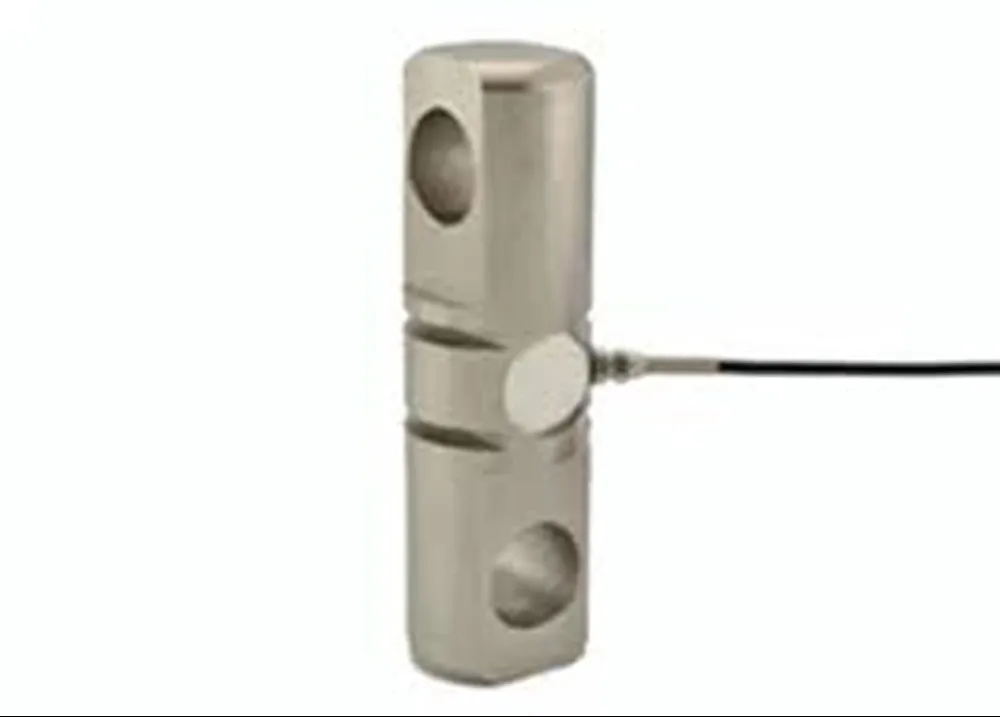
A tension link load cell (frequently referred to as a tension dynamometer, crane scale, or inline load sensor) is a specialized sensor designed to measure pulling (tensile) forces. Unlike compression load cells, which measure weight pressing down on them, tension links are integrated directly into a line or rigging assembly to measure the pulling force stretching across them.
They act as an essential inline safety mechanism during overhead lifting, towing, and structural pull-testing.
How Does a Tension Link Work?
At its core, a tension link load cell relies on a simple physics principle: elastic deformation.
- The Structural Body: The link itself is usually machined from high-tensile aircraft-grade aluminum or heavy-duty alloy steel.
- The Strain Gauges: Internal electrical circuits called strain gauges are securely bonded to the metal body.
- The Measurement: When a tensile force pulls on both ends of the link, the metal minutely stretches. This physical stretch changes the electrical resistance of the strain gauges.
- The Output: The load cell converts this electrical shift into a highly accurate digital readout—measured in pounds, kilograms, or kilonewtons—giving operators real-time data on the exact force being applied.
Key Applications in Heavy Industry
Tension links are favored over standard crane scales when high durability, lightweight portability, and extreme capacity are needed. You will find them deployed across several critical scenarios:
1. Overhead Weighing & Crane Safety
Cranes are rated for strict maximum capacities. Integrating a tension link into the crane hook assembly gives operators an immediate, accurate weight reading of the cargo, preventing dangerous overloads.
2. Proof Load Testing
Before a new crane, hoist, or rigging structure is certified for service, it must undergo proof testing (often pulled to 125% or higher of its rated capacity). Tension links capture the exact peak force applied during these rigorous validation steps.
3. Wire Rope & Cable Tensioning
From suspension bridges to ziplines, cables must be tensioned to exact specifications. Tension links help technicians monitor the pull line to ensure the cable is neither dangerously loose nor over-tightened.
Wireless vs. Cabled Tension Links: Which is Better?
Modern industrial force measurement generally offers two configurations:
FeatureWireless Tension LinksCabled Tension LinksSafetyHigh (Operators can stand up to 300+ feet away)Moderate (Operator must stay within cable length)ReliabilityExcellent (Requires battery management)Absolute (Continuous power, no signal interference)Best ForHazardous lifts, dynamic environmentsStatic test benches, permanent installations
How to Choose the Right Tension Link Load Cell
Selecting the correct sensor for your application requires balancing three key criteria:
- Capacity & Safety Factor: Always select a load cell with a capacity that exceeds your highest expected lift. Look for a minimum safety factor of 4:1 or 5:1 (meaning the structural breaking point is four to five times higher than its rated capacity).
- Environmental Protection (IP Rating): Industrial environments are harsh. For outdoor rigging, marine environments, or dusty construction sites, ensure the load cell has a high Ingress Protection (IP) rating, such as IP67 or IP68, to seal out dust and moisture.
- Data Connectivity: Determine whether you need a simple handheld digital readout, data logging capabilities via USB for audit trails, or integration into a broader industrial PLC (Programmable Logic Controller) system.
Summary
Investing in a high-quality tension link load cell is about more than just accurate data—it is an investment in site safety and operational efficiency. By selecting the right capacity, material, and connectivity for your specific environment, you can protect your crew and maximize your equipment's lifespan.
#TensionLinkLoadCell
#LoadCells
#ForceMeasurement
#IndustrialSensors
#WeighingSolutions
#CraneSafety
#RiggingAndLifting
#OverheadWeighing
#ProofTesting
#MaterialHandling
#HeavyIndustry
#IndustrialAutomation
#SafetyEngineering
#Instrumentation
#NonDestructiveTesting (NDT)
#B2BManufacturing
Keywords