Injection Molding Force Feedback
Injection molding is a core process in modern manufacturing, churning out everything from medical devices to car parts. Yet, even with advanced machinery, achieving consistent part quality can be a balancing act. One of the most critical, yet often overlooked, variables is the injection force. Too much force can lead to defects like flash or warping, while too little can result in incomplete filling and short shots. Traditionally, operators rely on pressure sensors and machine parameters to infer this force, but this method can lack the precision needed for complex or high-tolerance parts.
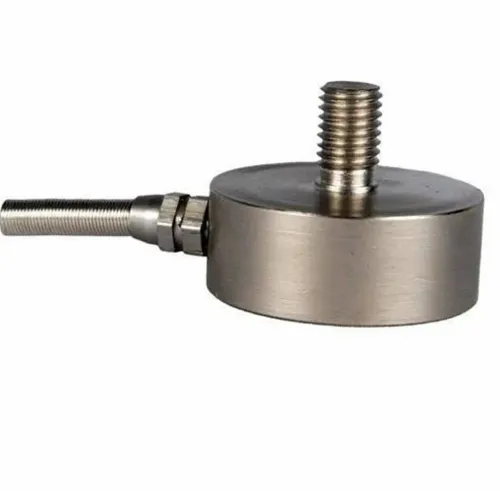
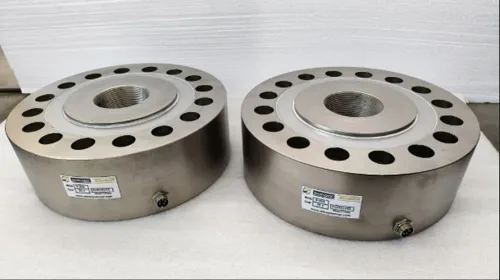
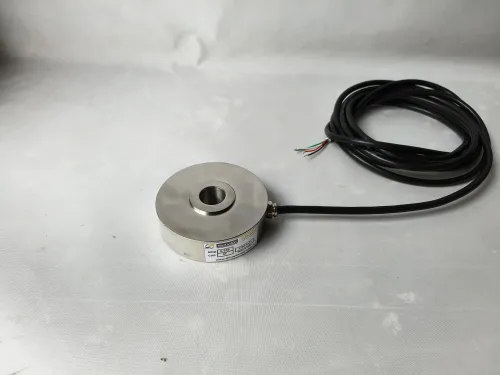
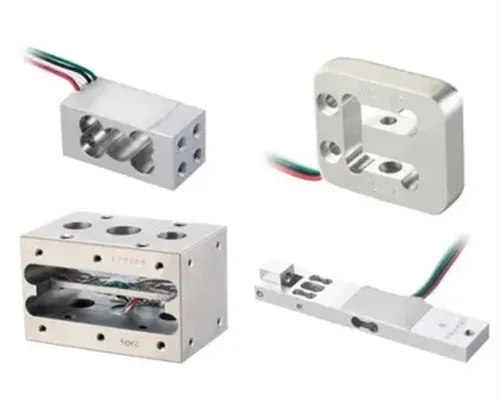
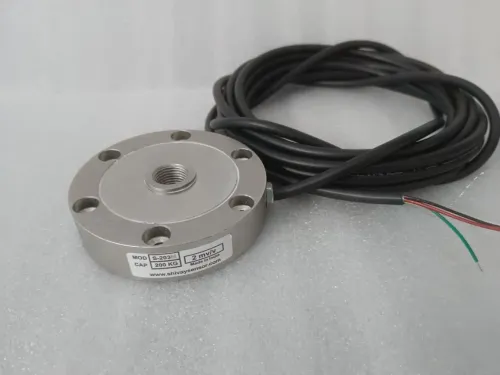
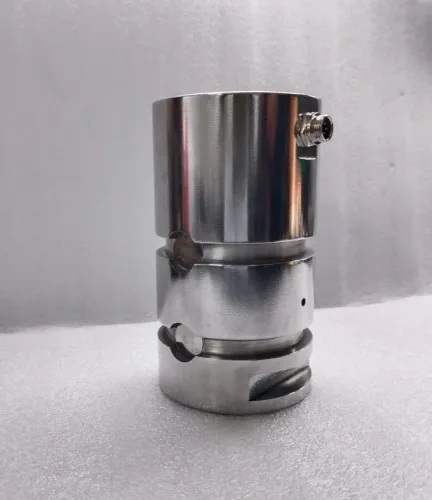
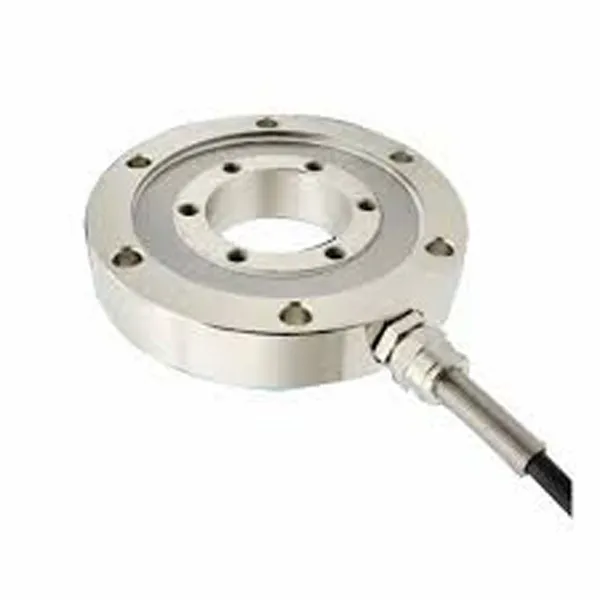
Enter the force sensor. By directly measuring the force applied to the mold, these sensors provide a real-time, quantitative feedback loop that transforms the injection molding process. This isn't just about measurement; it's about control. A force sensor placed directly on the tie bar or within the mold cavity gives you a clear, objective reading of the actual forces at play. This data can be used to:
- Optimize process parameters: Fine-tune injection speed, pressure, and holding time with unprecedented accuracy.
- Prevent defects: Catch deviations in force that signal an impending defect before it occurs, allowing for immediate corrective action.
- Enhance mold protection: Monitor clamping force to prevent damage to expensive molds, especially during startup or when running new materials.
- Improve part quality and consistency: Ensure every part meets the same high standard, batch after batch.
Implementing force feedback with sensors is a game-changer for injection molding. It shifts the paradigm from a reactive, trial-and-error approach to a proactive, data-driven strategy. For manufacturers looking to boost efficiency, reduce waste, and produce flawless parts, incorporating force sensors isn't just an upgrade—it's a necessity.
We are also supply in Andhra Pradesh, Arunachal Pradesh, Assam, Bihar, Chhattisgarh, Goa, Gujarat, Haryana, Himachal Pradesh, Jharkhand, Karnataka, Kerala, Madhya Pradesh, Maharashtra, Manipur, Meghalaya, Mizoram, Nagaland, Odisha, Punjab, Rajasthan, Sikkim, Tamil Nadu, Telangana, Tripura, Uttar Pradesh, Uttarakhand, and West Bengal.
#InjectionMoldingIndia #MadeInIndiaPlastics #IndianManufacturing #PlasticMachineryIndia #PlastIndia #InjectionMoldingGujarat #PlasticMachineryAhmedabad #MoldingMachinesSurat #GujaratPlastics #InjectionMoldingMaharashtra #MumbaiPlastics #PuneManufacturing #InjectionMoldingPune #ServoInjectionMolding #WindsorInnovation #WindsorR&D #PlasticsMachinery #InjectionMoldingResearch #MadeInIndiaTech #R&DElectronica #PlasticsMachineryIndia #InjectionMolding #MadeInIndia #EngelIndia #EngelMachinery #EngelInjectionMolding #PlasticsProcessingIndia #InnovationInPlastics #EngelMachineryIndia #PlasticsIndia #InjectionMolding #Engel#EngelPlastics #PlasticsIndustryIndia #MadeInIndia #EngelMachinery #InnovationInManufacturing #MilacronR&D #PlasticInnovation #FutureOfPlastics #InjectionMoldingTech #HaitiRnD #HaitiInnovation #HaitiTech #HaitiScience #RDAmrutBrothers #AmrutBrothersMachinery #R&D #SumitekNatraj #PlasticsR&D
#RDABML
Keywords