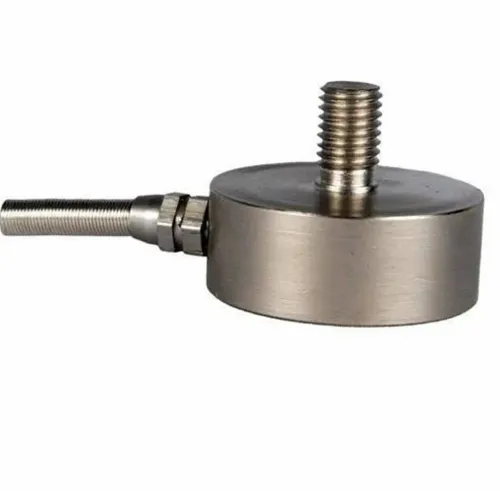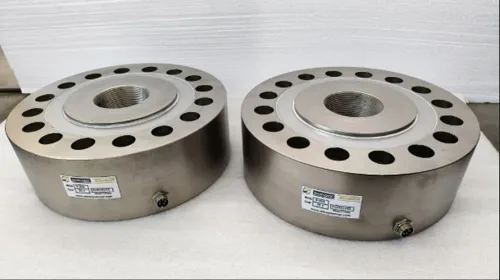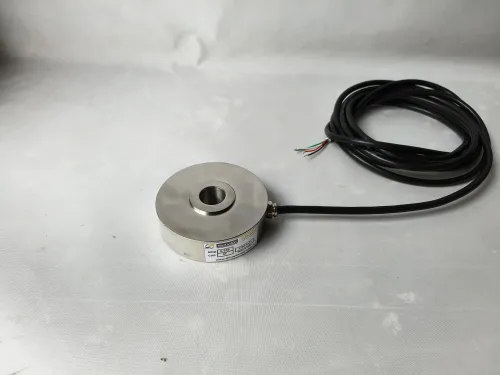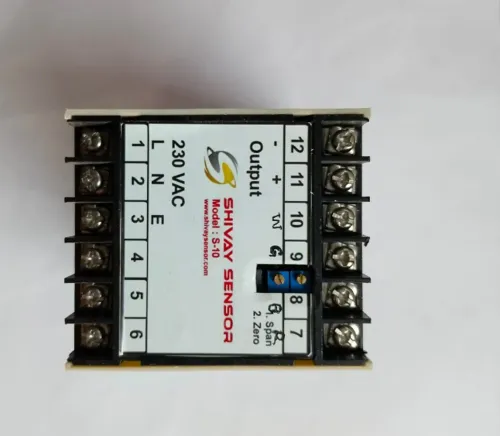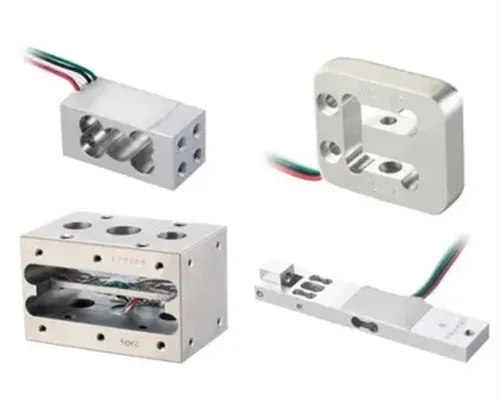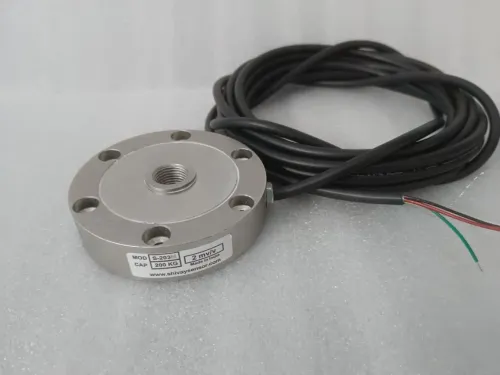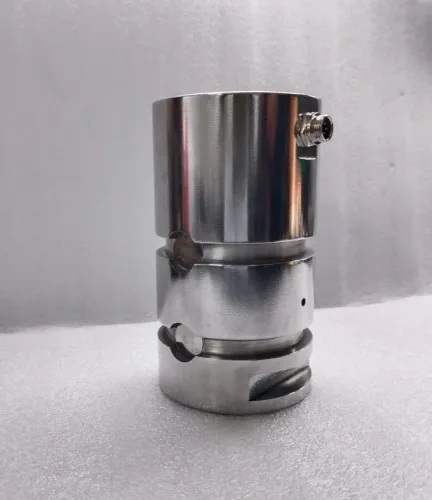
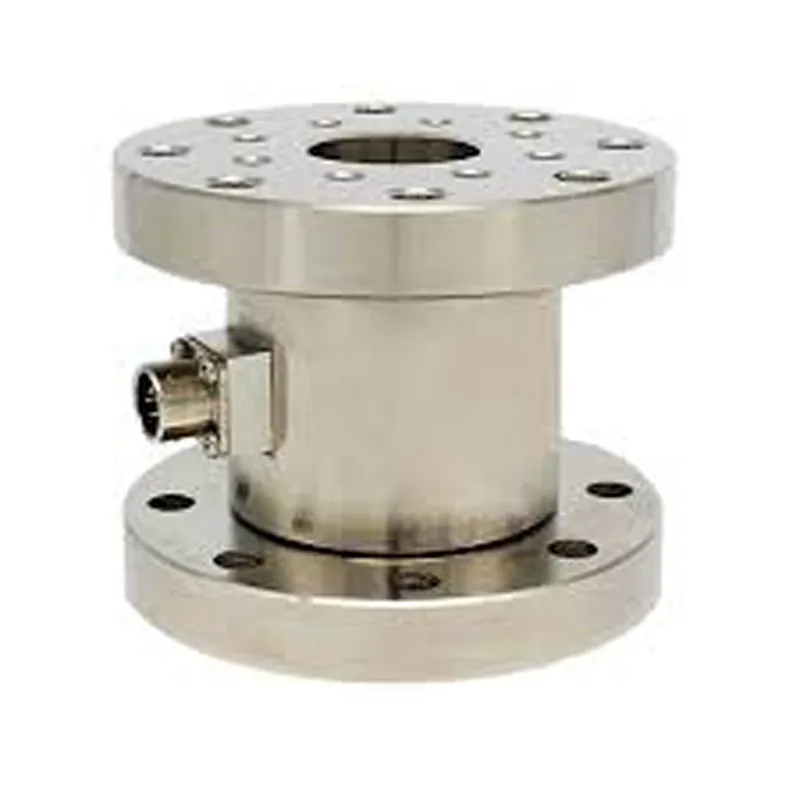
Understanding Static Torque Sensors A static torque sensor measures the twisting force on a stationary object, or one rotating slowly at a constant speed. Unlike dynamic sensors, which handle high-speed rotations and vibrations, static sensors are ideal for applications like bolt tightening, material testing, and robotics. They provide highly accurate readings by using strain gauges mounted on a transducer, which converts the physical force into an electrical signal. This precision is critical in quality control and process verification, ensuring components are assembled correctly and safely. Choosing the right sensor depends on the application's specific torque range and environmental conditions.
The Precision of Static Torque Measurement Static torque sensors are crucial for applications where precision is paramount. These devices measure the rotational force on non-moving or low-RPM shafts. They use strain gauge technology to detect minute deformations caused by torque, converting them into a measurable electrical output. This technology makes them essential for quality control in manufacturing, ensuring screws are tightened to the correct specifications and verifying the strength of mechanical joints. Their accuracy is vital for preventing product failures, improving safety, and optimizing assembly processes in industries like automotive and aerospace.
Applications in Manufacturing Static torque sensors play a vital role in modern manufacturing, particularly in quality assurance. They are commonly used in torque wrenches and nut runners to ensure that bolts are fastened to the exact specifications required by engineering designs. This is critical for the safety and reliability of finished products, from cars and airplanes to consumer electronics. By providing precise, real-time feedback, these sensors help companies maintain strict quality standards, reduce product recalls, and ensure compliance with industry regulations. Their use is a key part of smart factories and Industry 4.0 initiatives.
Static vs. Dynamic Torque Sensors The main difference between static and dynamic torque sensors lies in their application. Static sensors are designed for measuring torque on stationary or slow-moving parts, excelling in applications like testing and assembly. They provide highly accurate, stable readings. In contrast, dynamic sensors are built to handle continuous rotation and high speeds, making them suitable for measuring power and efficiency in motors and engines. While a static sensor might check the tightness of a bolt, a dynamic sensor would measure the torque output of a running engine.
Enhancing Robotics with Static Torque Sensors In robotics, static torque sensors are used to give robots a sense of 'touch' and force. By integrating these sensors into robotic arms, manufacturers can create systems that can precisely control gripping force, preventing damage to delicate components during assembly. They are also used in collaborative robots (cobots) to ensure safe interaction with human workers by detecting unexpected contact. This capability allows for more precise and adaptable robotic tasks, such as product manipulation and fine assembly, improving both efficiency and safety in automated environments.
Key Features to Look for When selecting a static torque sensor, several features are important. Accuracy and repeatability are key, as they ensure reliable measurements. The torque range must match your application's requirements. Look for models with a high stiffness to minimize unwanted deflection. Environmental factors like temperature range and IP rating (for dust and water protection) are also crucial. Finally, the output signal type (e.g., analog, digital) should be compatible with your data acquisition system. Considering these features helps you choose the right sensor for your specific needs.
How Static Torque Sensors Work A static torque sensor's core technology is the strain gauge. These tiny, wire-like sensors are bonded to a specially designed metal beam, or transducer. When a torque (twisting force) is applied, the beam deforms slightly, causing the strain gauges to change their electrical resistance. This change is precisely proportional to the applied torque. An electronic circuit, often a Wheatstone bridge, measures this resistance change and converts it into a calibrated electrical signal, which can be read by an instrument. This process allows for highly accurate, repeatable measurements.
Reliable Quality Control For businesses focused on quality, static torque sensors are an indispensable tool. They are used to perform audits on bolted joints and to calibrate torque tools, ensuring every assembly process is consistent. This proactive approach helps prevent catastrophic failures and costly product recalls. In the automotive industry, for example, these sensors are used to test the tightness of wheel lug nuts, a critical safety check. By integrating static torque measurement into their processes, companies can guarantee product reliability and customer satisfaction.
Innovations in Static Torque Sensing Modern static torque sensors are becoming more advanced, offering features like wireless connectivity and smart diagnostics. Wireless models eliminate the need for cumbersome cables, making them ideal for field use and difficult-to-reach applications. Integrated electronics provide instant data processing and diagnostics, allowing for real-time monitoring of assembly lines. These innovations are part of the larger trend towards smart manufacturing, where data-driven insights are used to optimize production, predict maintenance needs, and improve overall operational efficiency.
Tips for Using Your Sensor To get the most accurate readings from your static torque sensor, ensure it is properly mounted and aligned. Avoid applying off-axis loads (forces not in line with the sensor's axis) as this can introduce errors. Calibrate the sensor regularly to maintain its accuracy over time. Always operate the sensor within its specified torque range to prevent damage. Finally, use a high-quality data acquisition system to capture and analyze the sensor's output signal. Following these tips ensures long-term reliability and precise measurement results.
We are also supply in Andhra Pradesh, Arunachal Pradesh, Assam, Bihar, Chhattisgarh, Goa, Gujarat, Haryana, Himachal Pradesh, Jharkhand, Karnataka, Kerala, Madhya Pradesh, Maharashtra, Manipur, Meghalaya, Mizoram, Nagaland, Odisha, Punjab, Rajasthan, Sikkim, Tamil Nadu, Telangana, Tripura, Uttar Pradesh, Uttarakhand, and West Bengal
The Precision of Static Torque Measurement Static torque sensors are crucial for applications where precision is paramount. These devices measure the rotational force on non-moving or low-RPM shafts. They use strain gauge technology to detect minute deformations caused by torque, converting them into a measurable electrical output. This technology makes them essential for quality control in manufacturing, ensuring screws are tightened to the correct specifications and verifying the strength of mechanical joints. Their accuracy is vital for preventing product failures, improving safety, and optimizing assembly processes in industries like automotive and aerospace.
Applications in Manufacturing Static torque sensors play a vital role in modern manufacturing, particularly in quality assurance. They are commonly used in torque wrenches and nut runners to ensure that bolts are fastened to the exact specifications required by engineering designs. This is critical for the safety and reliability of finished products, from cars and airplanes to consumer electronics. By providing precise, real-time feedback, these sensors help companies maintain strict quality standards, reduce product recalls, and ensure compliance with industry regulations. Their use is a key part of smart factories and Industry 4.0 initiatives.
Static vs. Dynamic Torque Sensors The main difference between static and dynamic torque sensors lies in their application. Static sensors are designed for measuring torque on stationary or slow-moving parts, excelling in applications like testing and assembly. They provide highly accurate, stable readings. In contrast, dynamic sensors are built to handle continuous rotation and high speeds, making them suitable for measuring power and efficiency in motors and engines. While a static sensor might check the tightness of a bolt, a dynamic sensor would measure the torque output of a running engine.
Enhancing Robotics with Static Torque Sensors In robotics, static torque sensors are used to give robots a sense of 'touch' and force. By integrating these sensors into robotic arms, manufacturers can create systems that can precisely control gripping force, preventing damage to delicate components during assembly. They are also used in collaborative robots (cobots) to ensure safe interaction with human workers by detecting unexpected contact. This capability allows for more precise and adaptable robotic tasks, such as product manipulation and fine assembly, improving both efficiency and safety in automated environments.
Key Features to Look for When selecting a static torque sensor, several features are important. Accuracy and repeatability are key, as they ensure reliable measurements. The torque range must match your application's requirements. Look for models with a high stiffness to minimize unwanted deflection. Environmental factors like temperature range and IP rating (for dust and water protection) are also crucial. Finally, the output signal type (e.g., analog, digital) should be compatible with your data acquisition system. Considering these features helps you choose the right sensor for your specific needs.
How Static Torque Sensors Work A static torque sensor's core technology is the strain gauge. These tiny, wire-like sensors are bonded to a specially designed metal beam, or transducer. When a torque (twisting force) is applied, the beam deforms slightly, causing the strain gauges to change their electrical resistance. This change is precisely proportional to the applied torque. An electronic circuit, often a Wheatstone bridge, measures this resistance change and converts it into a calibrated electrical signal, which can be read by an instrument. This process allows for highly accurate, repeatable measurements.
Reliable Quality Control For businesses focused on quality, static torque sensors are an indispensable tool. They are used to perform audits on bolted joints and to calibrate torque tools, ensuring every assembly process is consistent. This proactive approach helps prevent catastrophic failures and costly product recalls. In the automotive industry, for example, these sensors are used to test the tightness of wheel lug nuts, a critical safety check. By integrating static torque measurement into their processes, companies can guarantee product reliability and customer satisfaction.
Innovations in Static Torque Sensing Modern static torque sensors are becoming more advanced, offering features like wireless connectivity and smart diagnostics. Wireless models eliminate the need for cumbersome cables, making them ideal for field use and difficult-to-reach applications. Integrated electronics provide instant data processing and diagnostics, allowing for real-time monitoring of assembly lines. These innovations are part of the larger trend towards smart manufacturing, where data-driven insights are used to optimize production, predict maintenance needs, and improve overall operational efficiency.
Tips for Using Your Sensor To get the most accurate readings from your static torque sensor, ensure it is properly mounted and aligned. Avoid applying off-axis loads (forces not in line with the sensor's axis) as this can introduce errors. Calibrate the sensor regularly to maintain its accuracy over time. Always operate the sensor within its specified torque range to prevent damage. Finally, use a high-quality data acquisition system to capture and analyze the sensor's output signal. Following these tips ensures long-term reliability and precise measurement results.
We are also supply in Andhra Pradesh, Arunachal Pradesh, Assam, Bihar, Chhattisgarh, Goa, Gujarat, Haryana, Himachal Pradesh, Jharkhand, Karnataka, Kerala, Madhya Pradesh, Maharashtra, Manipur, Meghalaya, Mizoram, Nagaland, Odisha, Punjab, Rajasthan, Sikkim, Tamil Nadu, Telangana, Tripura, Uttar Pradesh, Uttarakhand, and West Bengal
Keywords